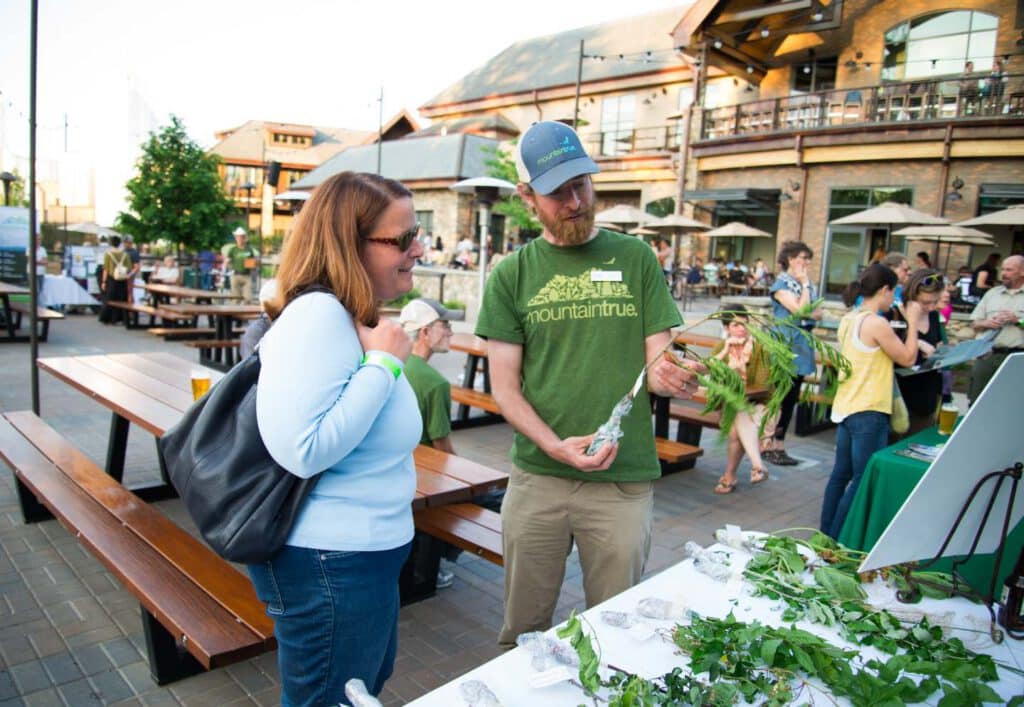
MountainTrue leads the way in developing and implementing programs to combat invasive plants and insects without harming native plant communities and wildlife.
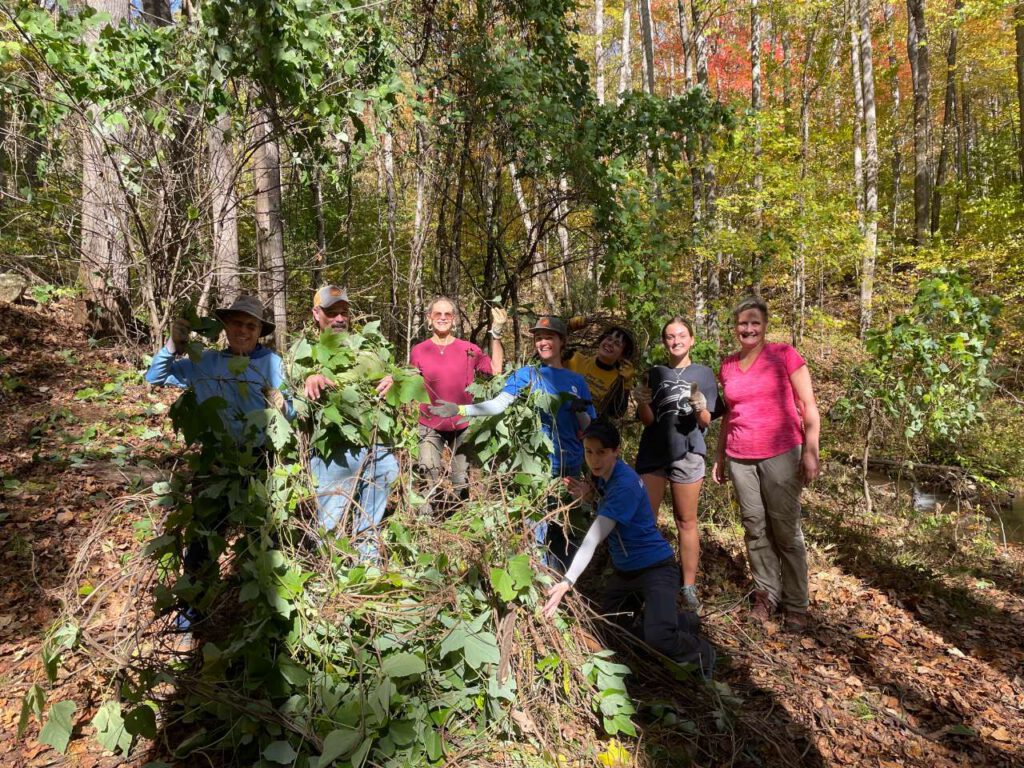
Since 2002, MountainTrue has been working to restore native plants to Western North Carolina habitats through non-native invasive plant (NNIP) control projects on public lands and conservation easements.
Introduced accidentally and intentionally, invasive species have escaped developed communities and entered wilderness areas. Without the predators and competitors that native plants and insects have evolved with, invasives are given the opportunity to flourish, usually at the expense of our native plant communities.
MountainTrue is able to remove or kill these invasive species without harming surrounding native plant and wildlife populations.
We take a multi-step evaluation approach when undertaking a NNIP control project:
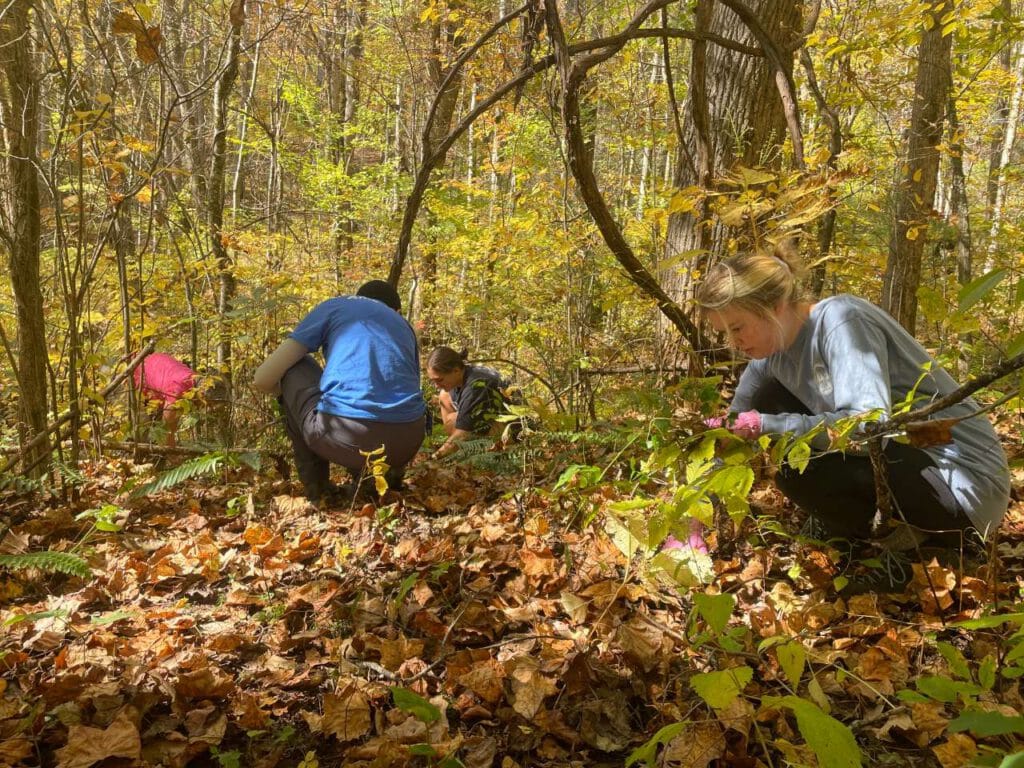
With the removal of non-native invasive plants from the understory layer of natural forest canopies, native plants that have lain dormant in the soil are able to spring up and reclaim their former growing space to reestablish a healthy natural habitat.
Native plants and wildlife in North America have not adapted to plants introduced from other continents and cannot outcompete invasive species. The result is a spread of non-native invasive species and a decline of native species.
To help restore our native mountain habitat, MountainTrue uses four different control methods for eradicating non-native invasive plant species:
Natural control through insects and fungi are rare for most species in the Southern Appalachian Mountains, however, herbivory control by goats and other grazing/browsing livestock are extremely effective for removing initial dense areas of non-native biomass.
Pulling plants and their root systems from the soil by hand is useful for certain grasses, herbs and many woody-stemmed sprouts.
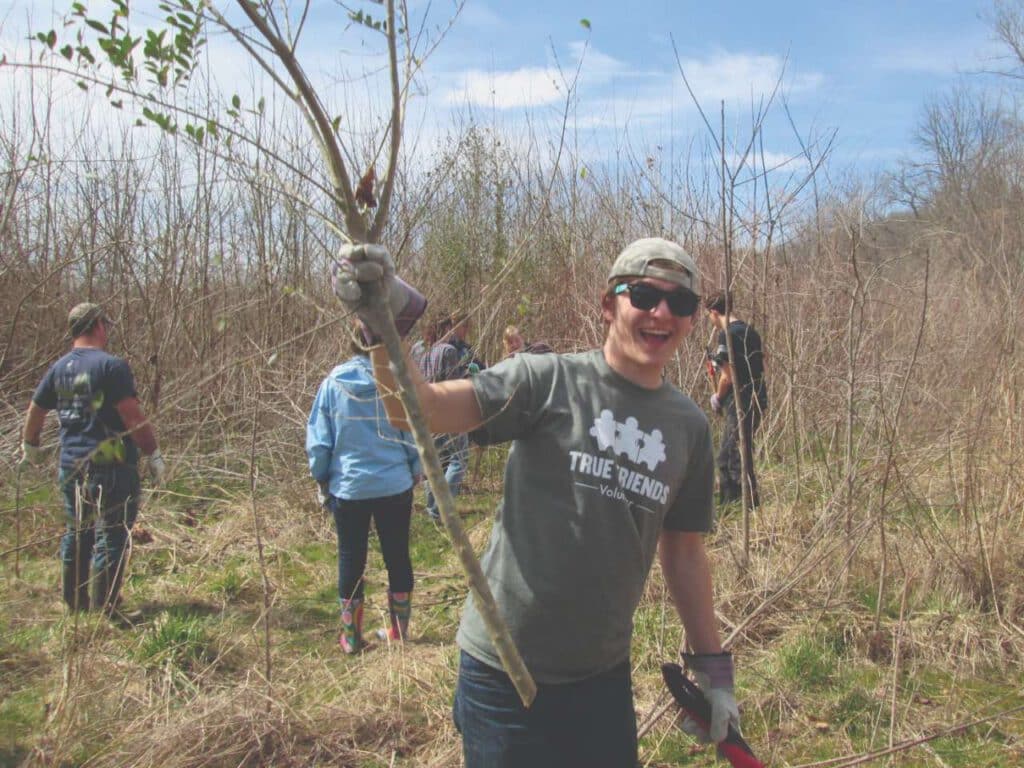
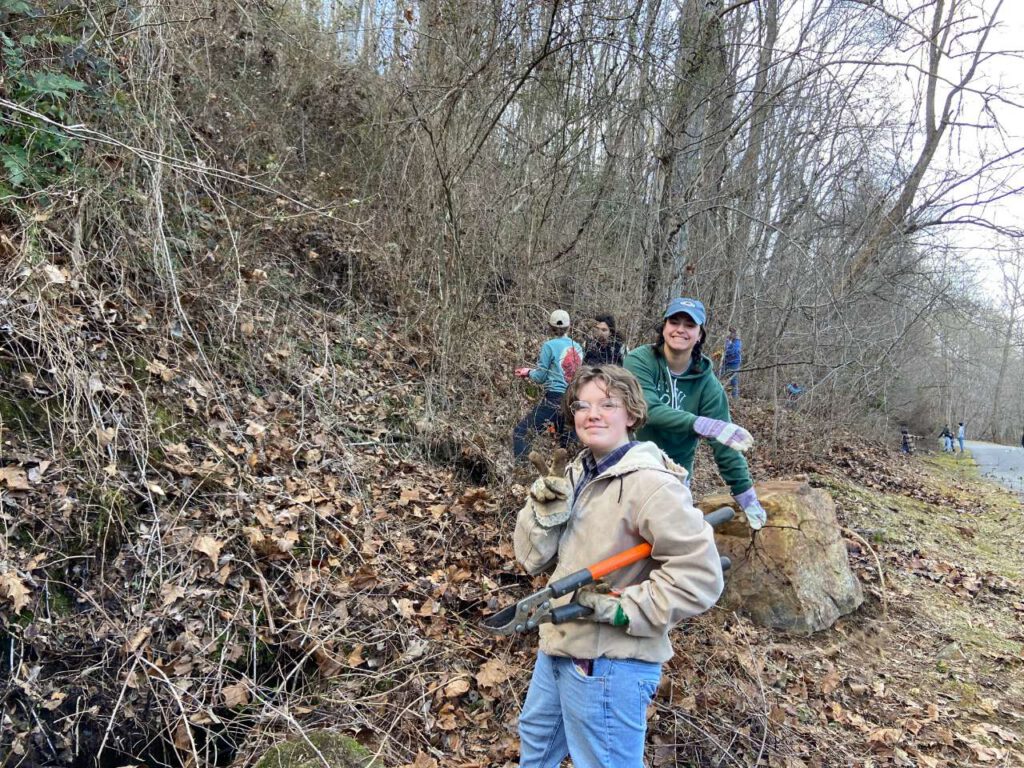
Includes pruning with hand pruners, loppers, hand saws, brushcutters or chainsaws, mowing with lawn mower or weed whacker, digging or prying roots from soil with a weed wrench, shovel, Pulaski, rototiller or heavy equipment. With this method, roots generally need to be excavated to prevent re-sprouting of invasive plants.
Treating plants with appropriate herbicides in one of two preferred methods:
MountainTrue takes the utmost precautions when using control methods on non-native invasive plants, making sure to follow safety procedures for both staff and volunteers and the ecosystem of the project areas. Weather and the health of local animals and plants are thoroughly considered before any control methods are implemented as well as during the removal process. Foliar spraying is not done while plants are in bloom to prevent harm to pollinators, or while birds are observed nesting in targeted plant thickets. All herbicides used by MountainTrue have been approved by the EPA and the USDA and are specifically matched to the habitats targeted for treatment.
MountainTrue has spearheaded eight nonnative invasive plant management initiatives since 2009 through partnerships with the U.S. Forest Service, the U.S. Fish and Wildlife Service, The Nature Conservancy, the Carolina Mountain Land Conservancy and Kanuga Conferences, Inc.
Through these projects, 4 Southern Appalachian bog communities designated as Significant Natural Heritage Areas in Henderson County and 165 acres of the Nantahala National Forest encompassing the Cheoah River riparian corridor have seen a restoration of habitat with the removal of 90% to 98% of nonnative invasive species.
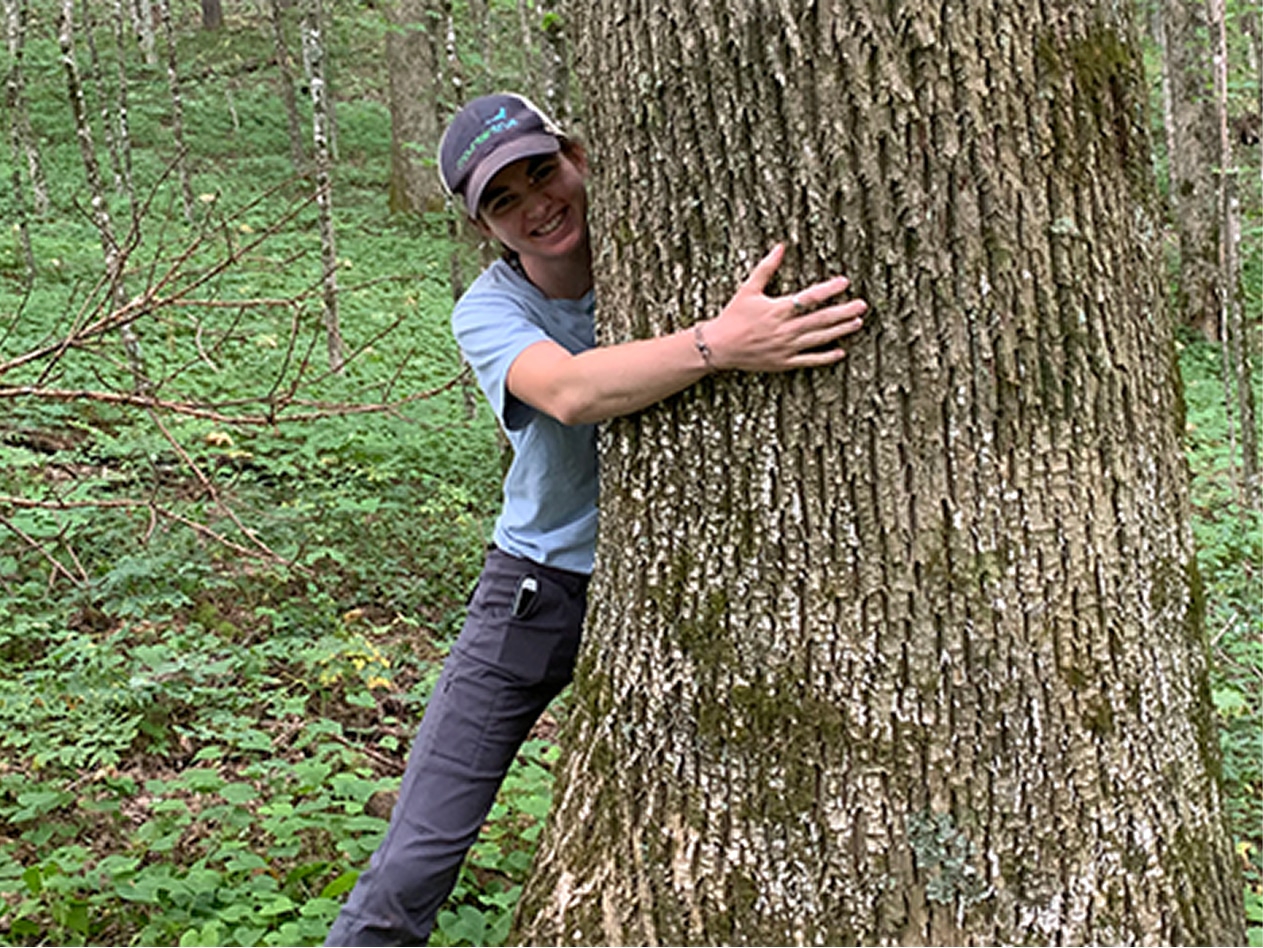
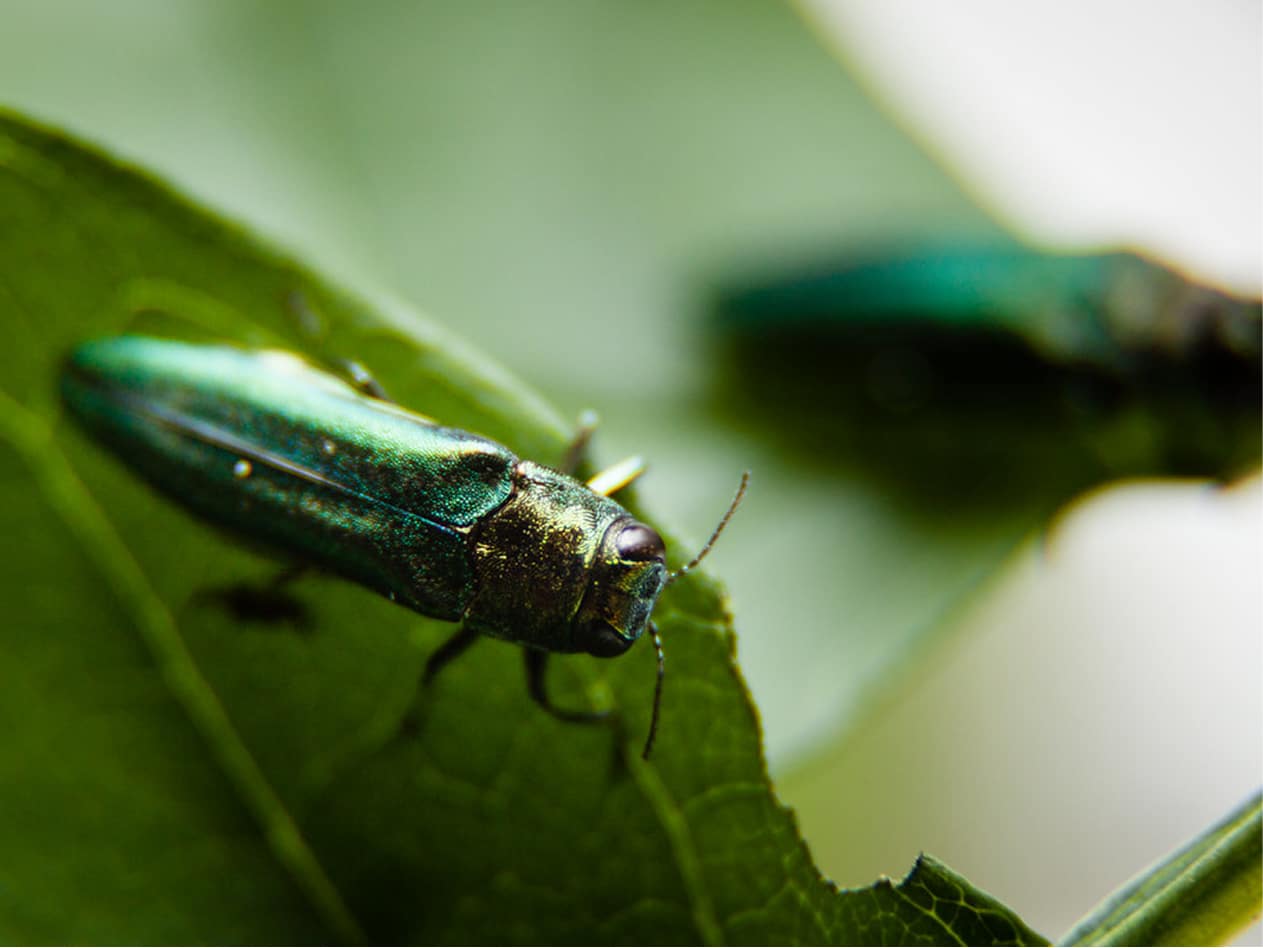
Over the past few years, MountainTrue has taken on the task of identifying and treating priority ash groves around WNC in response to the threat of the Emerald Ash Borer.
This non-native invasive insect is wreaking havoc throughout the state, and many of the trees we have treated are surrounded by bare branches from neighboring dead ashes.
We have treated over 1,100 trees throughout the region, and committed to re-treating these trees after their initial 3-year treatment wears off.
So far, we have retreated over 100 trees in a beautiful grove on Bluff Mountain in Madison County, along the Appalachian Trail. The trees we have treated have a bright painted dot on the farside of the tree that isn’t visible from the trail. No need to look for the paint, though. These trees are surrounded by diverse wildflowers that shouldn’t be trampled. If you see a living ash tree on Bluff, it’s probably been treated.
We will also be establishing a new site above 4,000 feet in the Big Ivy area of Pisgah National Forest. This area does not yet have any treated groves of ash, and the new site will add to the representation of preserved groves across the landscape.