
Take action before it is too late. The Trump Administration is attacking the Endangered Species Act.
The week before Thanksgiving, the Trump Administration put a lump of coal in the stockings of conservationists and wildlife advocates everywhere. The proposed regulations would severely undermine the protection of habitat for threatened and endangered species.
The ESA has two categories of protection: Threatened and Endangered. Species listed as Threatened are the most impacted by the proposed changes — which would limit the designation of protected “critical” habitat for threatened species to areas in which they already exist, hamstring restoration efforts needed to remove species from the Endangered Species List, and generally remove protections for species experiencing concerning population declines.
Another key change to the law would be to require the U.S. Fish and Wildlife Service to weigh the economic impacts of protecting species versus the profitability of letting them go extinct — a perverse exercise that is prohibited by the Endangered Species Act itself.
The Endangered Species Act (ESA) is one of the most successful laws in American History. Thanks to the ESA, dozens of species have been brought back from the brink of extinction, and 99% of listed species are either stable or recovered.
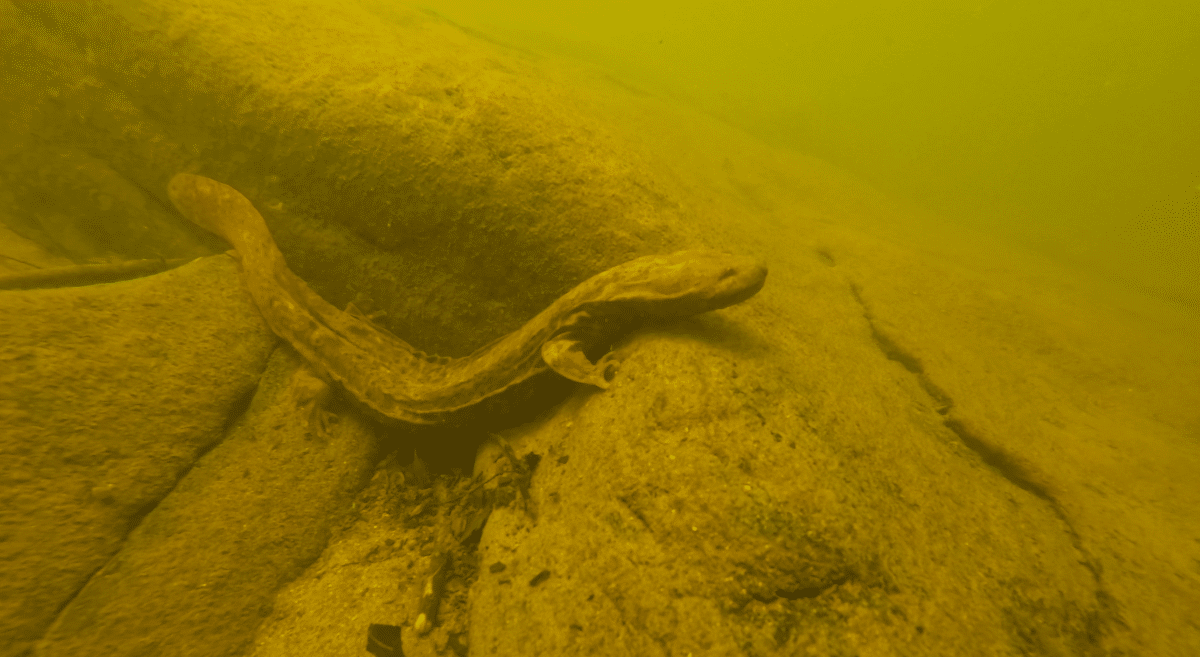
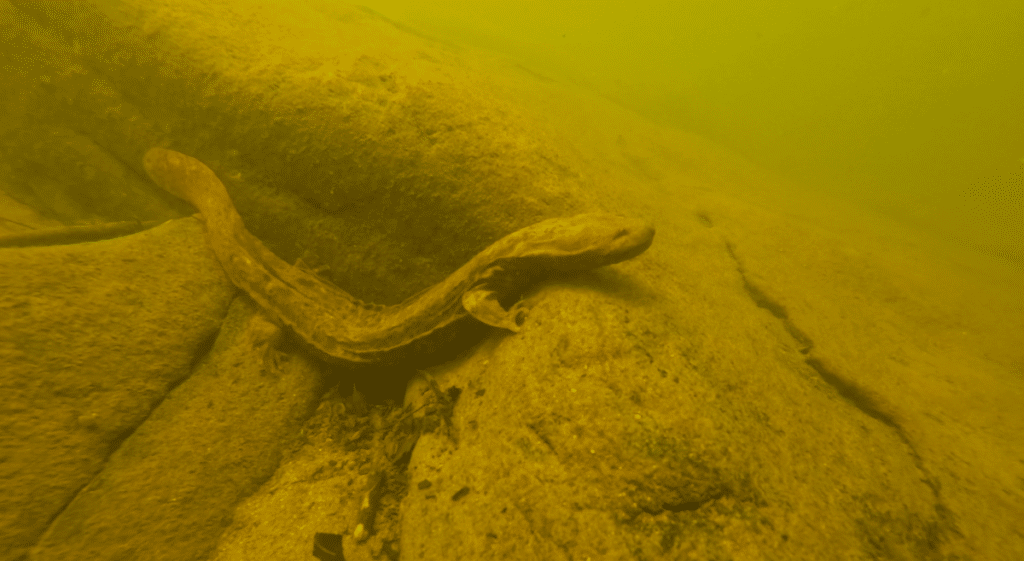
The law was crucial in saving the United States’ national bird, the Bald Eagle, from pesticide pollution and habitat loss. In the 1960s, there were only 250 breeding pairs of Bald Eagles. Today, there are 15,000. In our region, species like the Carolina Northern Flying Squirrel, the Appalachian Elktoe, and the Bog Turtle — and the habitats they depend on — are protected by the law. Other species, like the Hellbender and the Hickory Nut Gorge Green Salamander, have pending petitions for listing that would be jeopardized by weakening the ESA. Trump’s changes would prevent newly listed species from receiving protections for years because of needless bureaucracy and red tape.
The Hellbender, if it is approved for listing under the ESA, would likely be categorized as “Threatened”. If these rules are adopted, the Hellbender would not gain much additional protection and would suffer a lengthy and expensive administrative process before any protections are put in place.
A final set of changes would weaken the consultation process by which the Fish and Wildlife Service is supposed to negotiate protections from developers and other government agencies. These provisions would also give developers and polluters the ability to block habitat protections and ignore the protections proposed by expert scientists. It’s another instance in a pattern of selling our natural world to industry.

Below is a summary of the four proposed rules and what’s at stake in each one:
The deadline to submit public comment is December 22, 2025.
Check out the resources available through the Endangered Species Coalition. They have four digital comment template links and a postcards toolkit.
Decision-makers generally favor unique comments over boilerplate. We encourage you to customize your message to make your communication stand out. Personalized letters are more impactful and can help convey the importance of your message to decision-makers. Rest assured, MountainTrue values your privacy and will not share your contact information with any external groups or individuals. However, by submitting this form, your contact details will be shared with the intended recipients of this action to ensure they receive your message.