BANFF Tickets on Sale Now
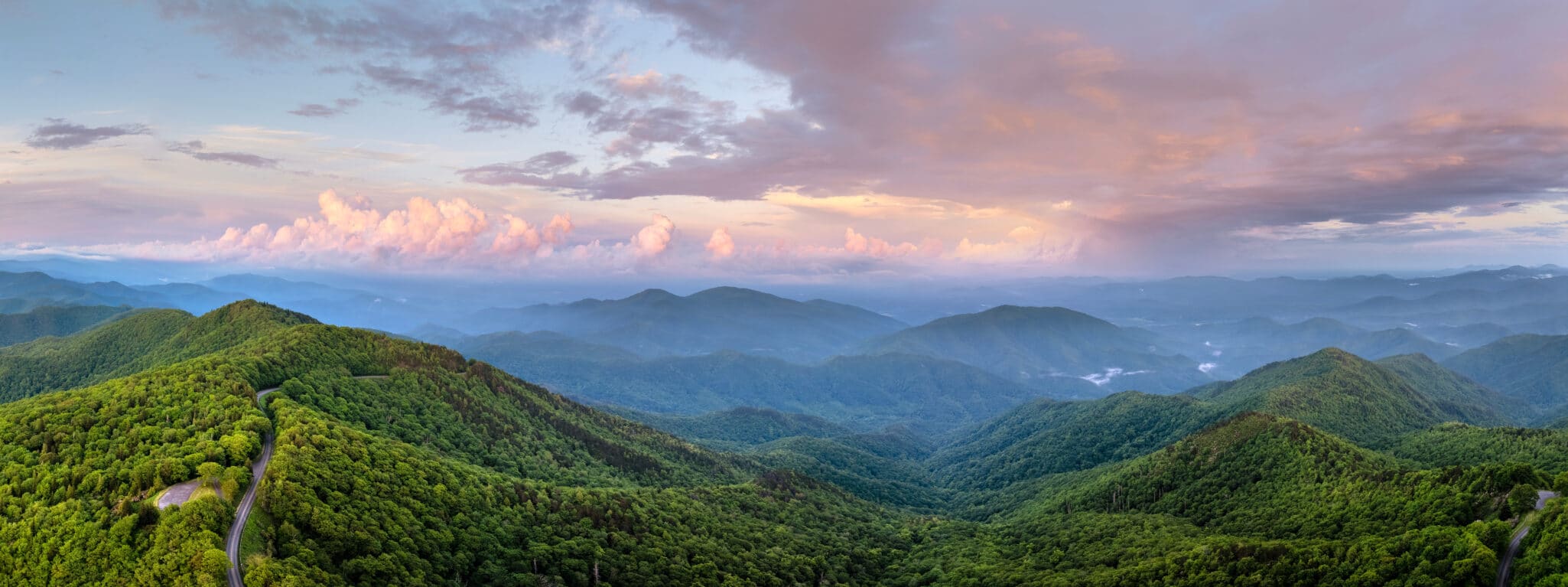
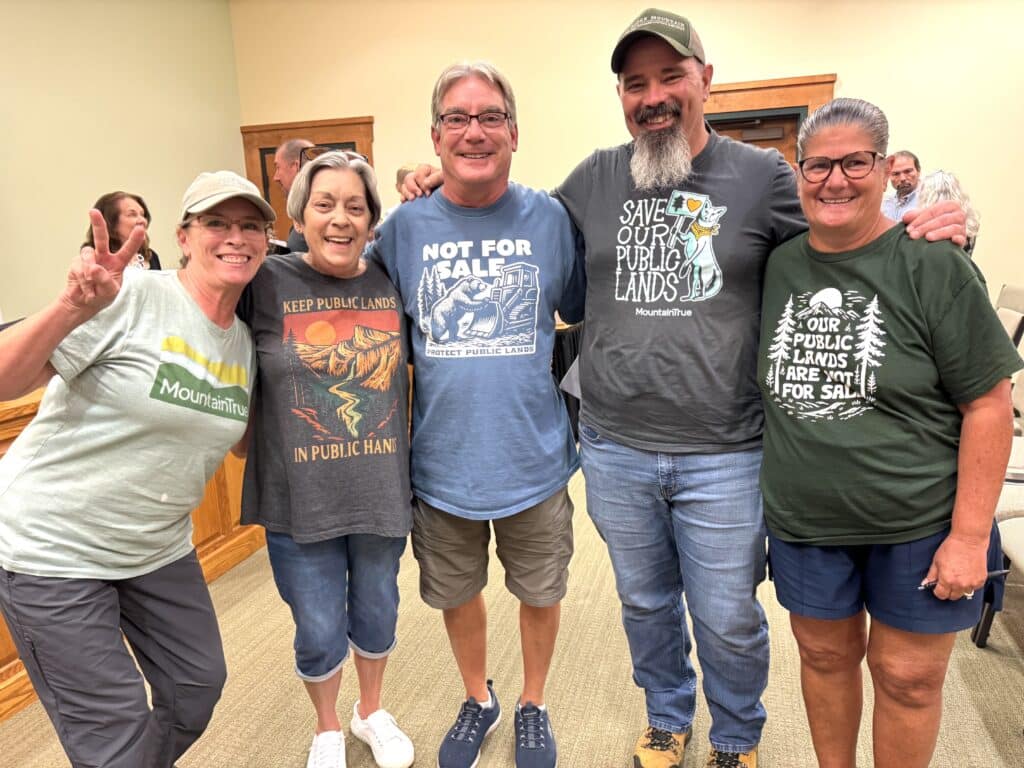
WESTERN NORTH CAROLINA — In response to a federal proposal to rescind the 25-year-old Roadless Rule, conservation leaders are launching a series of community events across Western North Carolina. The schedule includes a “Roadless Rule Roundtable” in Asheville, hosted by a broad coalition of 17 organizations, and two “People’s Public Hearings” in Hayesville and Brevard, organized by MountainTrue.
These events aim to provide citizens with the opportunity to learn about the proposed rollback and testify on the future of 150,000 acres of local wild forests. The U.S. Forest Service’s proposal would remove protections from Inventoried Roadless Areas (IRAs) nationwide, opening these lands to road building, commercial logging, and mining. In Western North Carolina, affected areas include iconic landscapes such as the South Mills River, the Black Mountains, and Tusquitee Bald.
“Whether you live in Asheville, Hayesville, or Brevard, the federal government’s plan to reduce transparency and public input affects you,” says MountainTrue Resilient Forests Director Josh Kelly. “MountainTrue is organizing the hearings in Hayesville and Brevard to give local residents a direct platform, while in Asheville, we are proud to stand with a massive coalition of partners to host a regional roundtable. We want to ensure that the public has a voice in decisions that will shape our forests for generations.”
The public is invited to participate in the following three events:
Asheville Roadless Rule Roundtable
Hayesville People’s Public Hearing
Brevard People’s Public Hearing
In 2001, the U.S. Forest Service adopted the Roadless Area Conservation Rule to protect nearly 59 million acres of national forest lands from road building, logging, and industrial development. Supported by overwhelming public input, the rule has safeguarded clean drinking water, wildlife habitat, and backcountry recreation opportunities for more than two decades.
Now, that protection is under serious threat.
In June 2025, the U.S. Department of Agriculture announced plans to rescind the Roadless Rule, opening these lands to new roads, logging, and mining. If finalized, the rollback would affect nearly one-third of all national forest lands in the United States — removing protections from some of our most ecologically important and economically valuable places. That includes more than 150,000 acres in Pisgah and Nantahala national forests alone, from Tusquitee Bald to Wilson Creek.
Roadless areas are far more than lines on a map. They provide drinking water to tens of millions of Americans, store vast amounts of carbon that help slow global warming, and support thriving outdoor recreation economies. Here in Western North Carolina, that connection is especially clear.
“Roadless areas are our country’s beating heart of biodiversity — places where the wild is still wild,” said Will Harlan, Southeast Director at the Center for Biological Diversity. “Wildlife — including hellbenders, warblers, and trout — depend on roadless areas, and we need them, too. They protect our drinking water and scenic views, and they safeguard a vital part of our heritage and humanity.”
About 15% of Pisgah and Nantahala National Forests are Inventoried Roadless Areas — places like Linville Gorge, Craggy Mountain, the Black Mountains, and the headwaters of the South Mills River. These landscapes are central to our region’s identity and economy. According to a Made x Mountains survey, outdoor recreation is a $5 billion industry in Western North Carolina, supporting roughly 48,000 jobs.
Importantly, the Roadless Rule already strikes a balance of allowances. These areas are not designated wilderness, and allow the Forest Service to carry out responsible stewardship like prescribed burns and habitat restoration within them. At the same time, the rule prevents permanent development that fragments forests, increases erosion, and degrades water quality. Research also shows that wildfires are more likely to start near roads, underscoring the value of keeping these areas free of them. In fact, according to a study conducted by The Wilderness Society, the density of wildfires is nearly four times higher near roads in forests compared with roadless areas.
More resources, maps and information about the roadless rule can be found at roadless.org. If you can’t make the event, comments can be submitted at roadless.org/contact-representatives.
MountainTrue is the primary organizer of the People’s Public Hearings in Hayesville and Brevard and a lead partner in the Asheville Roundtable. The Asheville Roundtable Coalition consists of 17 national and regional groups, including the Sierra Club, The Wilderness Society, Center for Biological Diversity, Pisgah SORBA, Trout Unlimited, and the North Carolina Wildlife Federation.