This Opinions column by MountainTrue Housing and Transportation Director Susan Bean appeared in the Sunday, Feb. 22, 2026 edition of the Asheville Citizen Times.
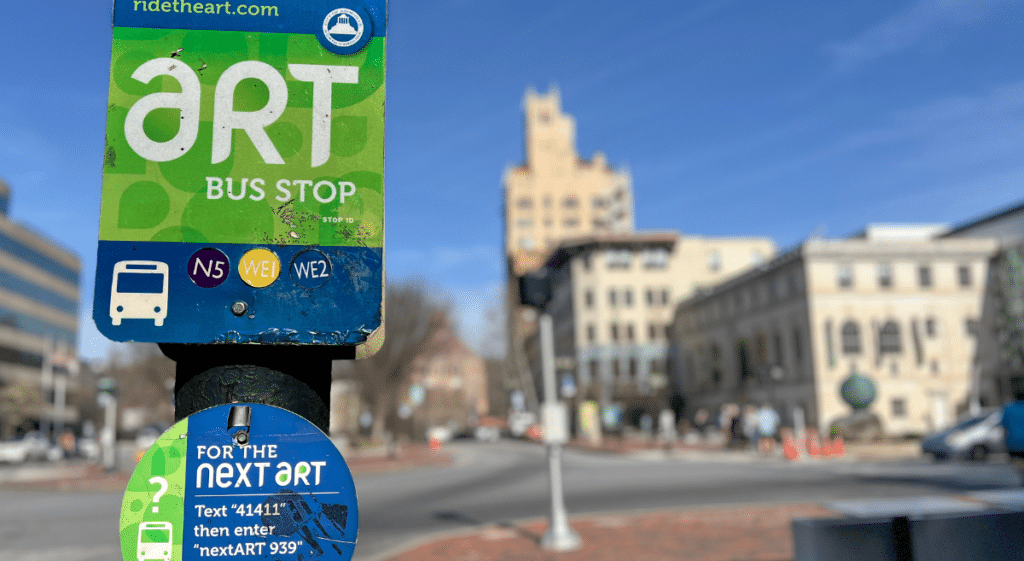
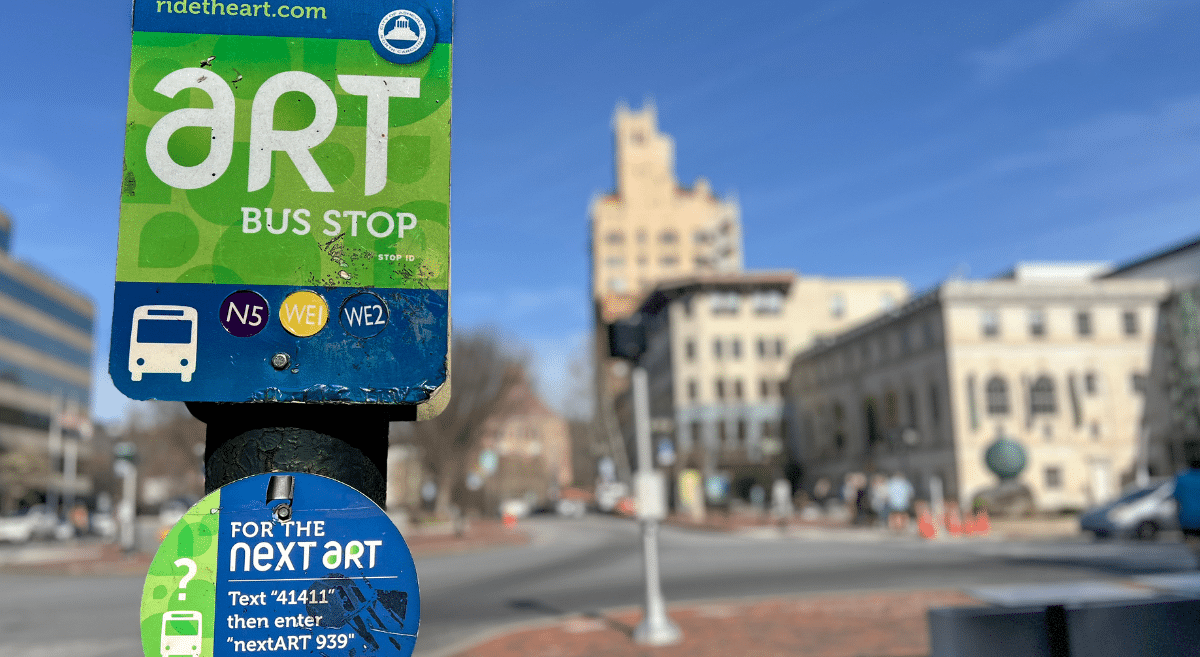
Every city has to decide how it wants its public bus system to serve residents.
Does it invest in a ridership model that favors fewer routes with more frequent service? Or should it spread service thinly to cover more ground in the community, even if that means longer wait times and less dependability?
After months of community engagement and analysis by international transit experts, Asheville City Council directed the consultant team to nudge the city’s existing bus system toward a ridership-focused model. This direction kicks off the next phase of the ongoing transit study and, while a difficult choice to make, is a good move for our city and deserves better public understanding.
Shifting toward a ridership model, which prioritizes frequent service in higher-density areas, is necessary for making public transit work for Asheville. No one benefits from a system where, on a good day, most stops only see one bus per hour. Show up a minute late? You’re stuck. Miss your stop, and you may be waiting 45 minutes, stranded alongside a busy highway, to go back in the direction you just came.
For many, it’s not worth the gamble, especially when the stakes can be the difference between getting to work on time or losing your job.
As MountainTrue’s housing and transportation director, I am an enthusiastic advocate for our city’s bus system. I use it to get to and from work, and I encourage others to do the same. I badly want to see it thrive. But when our office moved from downtown to the River Arts District, my commute more than doubled under the current full-coverage system, where a single transfer has made this mode of transport hard for me to justify.
This “transportation time tax” is what makes taking the bus practically impossible for so many residents, and it’s only exacerbated by prioritizing full-city coverage without the adequate funding and resources the network really needs. My hope is that, as Asheville shifts toward a ridership model, choosing transit becomes a more viable option – with easier, faster and more practical service that proves it’s OK to leave your car at home.
So, why is MountainTrue, an environmental organization, weighing in on public transit? Because Asheville is growing, and choosing where we grow is increasingly important, as issues like housing, transportation and land use are deeply intertwined. Spreading public services thinly across a wide area of the city only encourages more of the urban sprawl that devastates our natural landscapes.
Transit works best where we have higher housing density, and housing works best where we have reliable city service networks. By strengthening our city’s infrastructure along its major corridors, we encourage growth in the areas that can handle it – and discourage sprawl in the places that can’t. That means fewer miles of new roads and pipes, less destruction of forests and farmland and more people living closer to the places they need to go. It may also lead to decreased traffic and parking concerns downtown, which would be a win for everyone.
Frequency is what makes public transit usable. It does more for a city than simply looking good on paper. By embracing a ridership model for our bus system, Asheville is choosing a future where transit is a realistic option for more residents and where our growth matches our values, supporting sustainability over sprawl.
While this is one big step toward equity and sustainability, our next move should be to secure additional funding for public transit, supporting the bus system the way we support carcentric infrastructure, so that the network can function effectively like any other critical public service. We join the Asheville Regional Transit Coalition in urging the city to consider all possible funding strategies including reallocating city funds, redirecting Metropolitan Planning Organization funds, seeking federal dollars and/or working with the county to implement a quarter-cent sales tax.
As the city grapples with an unprecedented budget gap this year, all options must be on the table to not only maintain our critical transit service, but also continue our investment in a system that serves long term goals of equity and sustainability. It’s strategic choices like these that shape our future, and Asheville’s shift toward the ridership model is a good place to start.