The Trump Administration has proposed a sweeping rollback of the Clean Water Act — one that would strip federal safeguards from many of the wetlands, headwater streams, and mountain seeps that keep our rivers clean and communities safe.
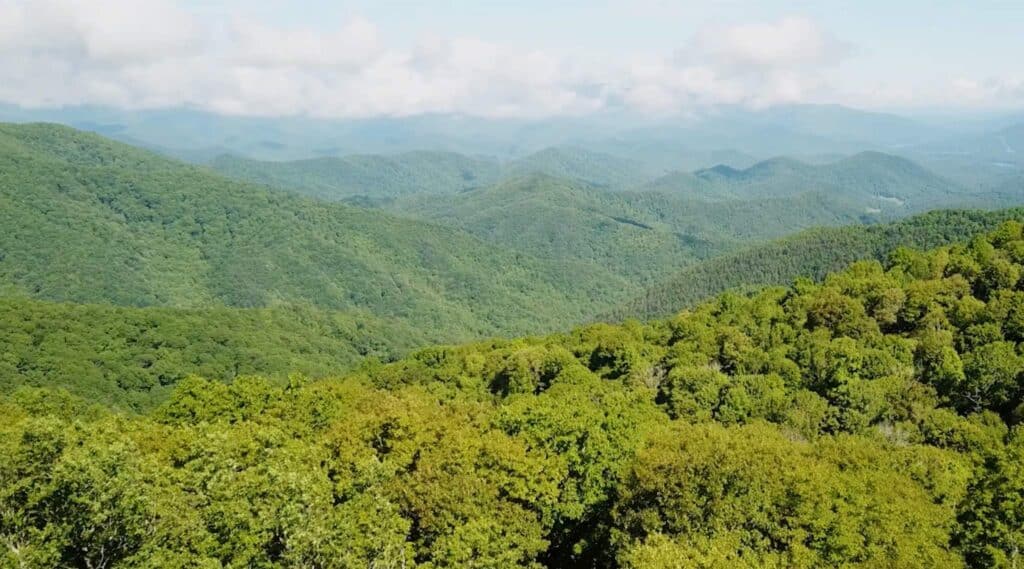
In the Southern Blue Ridge, our waters begin as tiny springs, trickles, hollows, and coves high in the mountains — the very streams that would lose protection under this rule. Once these waters are vulnerable, everything downstream is at risk.
If the rule is finalized, many of the waters and wetlands that protect our homes, farms, trout habitat, and drinking-water supplies could be filled, polluted, or destroyed without federal oversight.
Act Now: the public comment deadline is January 5, 2026
What’s at Stake for the Southern Blue Ridge
The proposed rule would remove federal safeguards from millions of acres of wetlands and countless miles of headwater and seasonal streams — waters that define our region and our way of life.
Increase Flood Risks
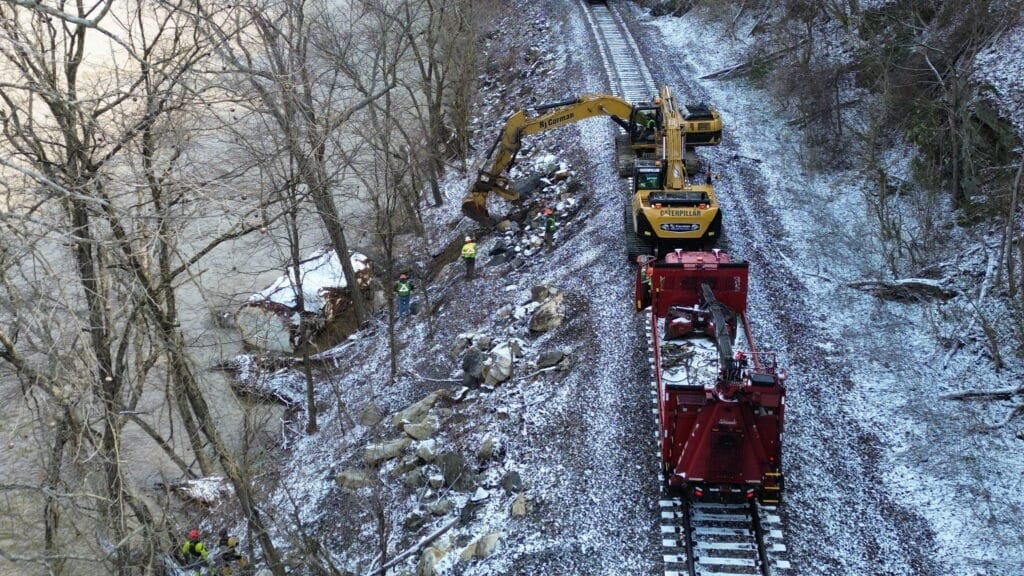
In the mountains, wetlands, and small streams slow stormwater, trap sediment, and shield downstream towns from sudden flash flooding. After Hurricane Helene, we know how critical these natural defenses are. Without protections, developers could fill or drain these wetlands, sending more water — and more danger — downstream into places like Canton, Marshall, Burnsville, Boone, Valle Crucis, and Cherokee.
Lower Water Quality
Many of our drinking-water systems rely on clean headwaters. When the smallest tributaries lose protection, runoff and pollution reach our taps faster. Mountain streams are steep and fast-moving; contamination in a headwater hollow can show up at a drinking-water intake within hours.
Raise Costs for Drinking Water and Flood Recovery
Losing natural filtration means water utilities must remove more sediment, bacteria, and chemicals — driving up treatment costs for local ratepayers. At the same time, stormwater systems and taxpayers shoulder the cost of more frequent and more intense flooding.
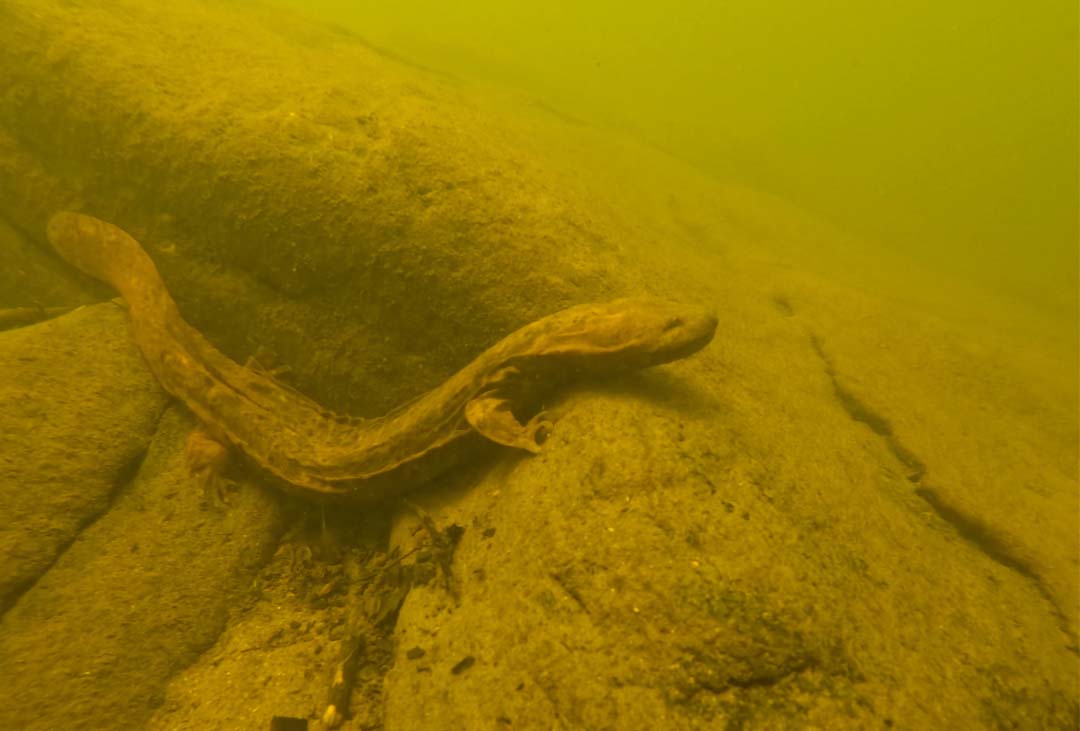
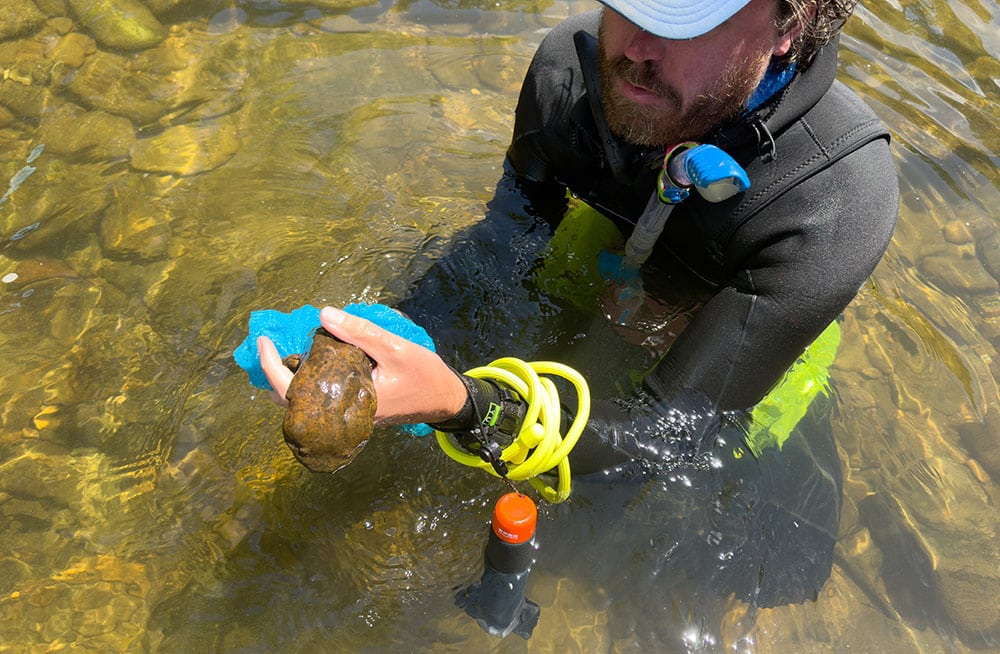
Reduce Trout, Hellbender, and Wildlife Habitat
Our region is one of the most biodiverse temperate forests on Earth. Brook trout, smallmouth bass, salamanders, migratory birds, and hundreds of rare and endemic species depend on cold, clean headwater streams and mountain wetlands. Removing protections accelerates habitat loss and threatens our outdoor recreation economy.
Shift Costs to Local Governments and Mountain Communities
If federal protections disappear, responsibility falls to counties, towns, and tribal governments — many of which lack the authority or resources to regulate development in wetlands and headwaters. That means we would bear the burden: more local flooding, more untreated runoff, and fewer tools to protect our own waterways.
Rural mountain communities — especially low-income areas and places still rebuilding from Helene — would feel these impacts first and worst.
FAQ & Background Information
What would the Trump Administration’s new rule do?
The Trump Administration has proposed a new definition of “waters of the United States” (WOTUS) under the Clean Water Act. The proposal was published by EPA and the U.S. Army Corps of Engineers and is available on the Federal Register. This rule would go beyond what the Supreme Court required in its 2023 Sackett v. EPA decision and sharply narrow which rivers, streams, and wetlands are protected from pollution and destructive development.
If finalized, the rule would remove federal safeguards from millions of acres of wetlands and thousands of miles of streams that communities rely on for drinking water, flood protection, and ecological health.
How does the proposal narrow the definition of Protected Waters?
The proposed rule sharply limits which waters qualify for federal Clean Water Act protections by centering jurisdiction on only those waters that are “relatively permanent”—defined as standing or continuously flowing year-round or throughout an undefined “wet season.” Because many streams do not flow year-round and wetland hydrology does not require standing water, this change would exclude vast numbers of waters historically covered by the Act.
The proposal also tightens the definition of tributaries, requiring not only that the tributary itself have relatively permanent flow, but that every connection between it and a downstream navigable water must also carry relatively permanent flow. Any seasonal, intermittent, or ephemeral reach along the way would break jurisdiction.
In practice, this means:
- Ephemeral streams that flow only after rainfall would lose protection.
- Most intermittent streams, which flow only part of the year, would also be excluded.
- Any non-permanent segment would sever protection for all waters upstream, no matter how important they are to downstream rivers.
These small streams and headwaters are not minor features—they are the foundation of entire river systems. A 2024 peer-reviewed study in Science found that ephemeral streams contribute, on average, 55% of the total water discharged from regional river networks across the contiguous United States.
EPA’s own drinking-water analysis shows that more than 117 million Americans rely, at least in part, on intermittent, ephemeral, or headwater streams for their drinking water—meaning that removing protections from these waters puts a large portion of the population at risk.
Stripping federal safeguards from these waters would have far-reaching consequences for public health, drinking-water safety, and downstream communities.
How does the rule affect protections for wetlands?
The rule rewrites the protections for wetlands. Under the proposal, wetlands are protected only if they physically touch (“abut”) a jurisdictional water, and have surface water present at least during the wet season.
This goes beyond the Supreme Court’s Sackett decision, which required a “continuous surface connection” but did not require a wet-season standard or physical abutment. Under this proposal, wetlands separated from a river by a small berm, dune, roadbed, tree line, or temporarily dry patch would no longer be protected—even if they provide flood storage, wildlife habitat, or water filtration.
What other categories of waters would be left out?
The proposal does more than redefine terms — it also removes entire categories of waters from federal protection.
The 2025 Proposed Rule eliminates “interstate waters” as a standalone category for the first time in the history of the Clean Water Act. It also expands or clarifies longstanding exclusions for ditches, prior converted cropland, and waste-treatment systems, while introducing a new, explicit exclusion for groundwater — even when groundwater is directly connected to surface waters.
In practical terms, this means that state lines, artificial ditches, and small manmade structures can now break Clean Water Act jurisdiction — even when water clearly flows between systems or continues downstream to drinking-water sources.
How much of our nation’s Wetlands are at risk?
Environmental experts warn that the combined effects of Sackett and the Trump proposal could remove federal protections from up to 55 million acres of wetlands, or about 85% of all wetlands in the United States.
That estimate is conservative. NRDC found that under the most restrictive interpretation, Sackett alone could strip protections from as much as 84% of wetlands that were historically covered. The Trump rule’s additional narrowing of definitions would push these losses even further.
These wetlands store floodwater, filter pollution, recharge groundwater, support fisheries and wildlife, and protect downstream communities.
How could this rule affect our communities, our economy, and our health?
More flooding, more pollution, and higher costs. By making it easier to fill wetlands or pollute small streams, the rule increases flood risks and undermines water quality.
EPA has long documented that wetlands reduce flood damage by absorbing stormwater and slowing runoff. When wetlands are filled or drained, stormwater moves more quickly through towns and cities, raising the risk of severe flooding. Removing protections also increases the burden on local utilities to treat pollution that would otherwise be filtered naturally.
By leaving headwater streams and wetlands unprotected, the rule increases the risk that more pollutants will enter drinking-water sources — which may result in higher costs for treatment and more contamination events.
Does the proposed rule follow the best available hydrology and wetland science?
EPA’s own preamble explains that the agencies did not prepare a quantified benefits or cost analysis for the 2025 proposal and instead offer only a qualitative discussion of potential impacts. The rule is classified as “deregulatory,” focused on reducing permitting obligations rather than evaluating ecological or community costs.
Major scientific groups and environmental organizations—including the Southern Environmental Law Center (SELC), Environmental Defense Fund (EDF), and NRDC—have publicly stated that the proposed rule Is not grounded in hydrology, flood science, or wetland science; goes significantly beyond what the Supreme Court required in Sackett, and would leave communities more vulnerable to disaster.
How to Comment
Submit your public comment urging EPA and the Army Corps to withdraw this dangerous proposal through the web portal, email, or mail. Reference Docket ID: EPA–HQ–OW–2025–0322
- Submit your public comment through our online form located below.
- Submit your public comment directly through the Regulations.gov comment portal: https://www.regulations.gov/commenton/EPA-HQ-OW-2025-0322-0001
- Email:
OW-Docket@epa.gov - Submit your public comment through U.S. Mail:
U.S. Environmental Protection Agency
EPA Docket Center, Water Docket, Mail Code 28221T
1200 Pennsylvania Ave. NW
Washington, DC 20460
Decision-makers generally favor unique comments over boilerplate. We encourage you to customize your message to make your communication stand out. Personalized letters are more impactful and can help convey the importance of your message to decision-makers. Rest assured, MountainTrue values your privacy and will not share your contact information with any external groups or individuals. However, by submitting this form, your contact details will be shared with the intended recipients of this action to ensure they receive your message.