Since the morning of September 27 when Helene hit North Carolina, I’ve been joining others who are pitching in to support neighbors, friends, and community members. We’ve cleared trees and limbs from driveways and roads, shared meals with neighbors, and volunteered to provide food to disadvantaged communities. We’ve been out in the field taking water samples to monitor water quality in the Broad River and tributaries, and sharing those results with river residents and river users. Communications with NCDEQ about Waste Water Treatment Plant failures and sewer overflows continue to inform us so that we can keep you informed. River sweeps, debris and blockage removal, and access cleanups will be a priority through the spring.
Three weeks out from the storm we realize, Mother Nature and the river will do what they are meant to do. All that water knows to do is flow downhill to the coast, and it has taken the path of least resistance. Unfortunately, human development can sometimes be in that path. We must learn to be more prepared for the changes that are sure to come with nature’s progression. Homes, businesses, and infrastructure built in our floodplains are not sustainable.
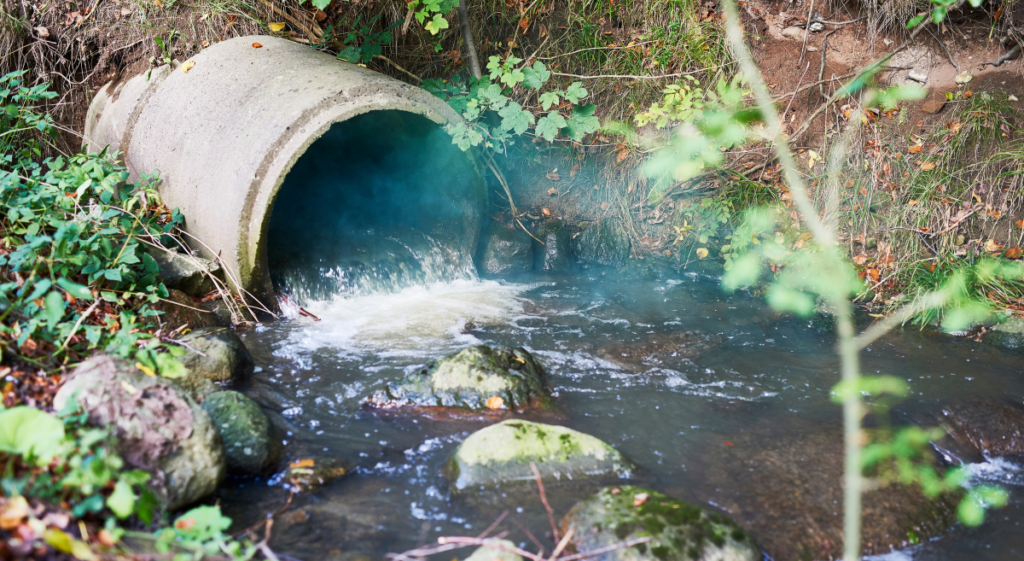
One example is the Waste Water Treatment Plant (WWTP) at Lake Lure. Built in the floodplain below the Lake Lure dam and over 50 years old, the treatment plant was inundated by flood waters during Hurricane Helene. It is now inoperable, and sewage from the collection system has been released into the Broad River below the Lake. We have been monitoring water quality for the last three weeks between Lake Lure and the Broad River Greenway — about 50 miles of river. Encouraging results are in from water sampling on October 21 with Rutherford Outdoor Coalition. Three weeks ago, there were very high concentrations of bacteria just downstream of Lake Lure and its damaged wastewater treatment plant. Two weeks ago, the bacteria was starting to be seen about 20 miles downstream at Grays and Coxe Road accesses. Last week, the bacteria had shown up at our Broad River Greenway in Boiling Springs, about 50 miles below the Lake.
Though the levels are not extremely high (150 mpn, compared to the safe swimming recommended level of 126), we are still advising people to not swim in the river at this time. Conditions can change rapidly and we want you all to be safe.
Look for updates on our social media pages: Broad RiverkeeperInstagram +Facebook.
Hang in there, ask for help, and offer help where you can.
-Broad Riverkeeper David Caldwell