What You Need to Know About Post-Storm Salvage Logging
Hurricane Helene dealt Western North Carolina’s forests a historic blow, toppling thousands of acres of trees across the Pisgah and Nantahala National Forests and along the Blue Ridge Parkway. As our communities rebuild, the U.S. Forest Service and National Park Service have ramped up operations under the banner of “fuel reduction”, but in reality most activities are salvage logging intended to remove the largest trees without truly addressing wildfire risk.”
On the surface, salvage logging—harvesting storm-damaged trees—sounds like common-sense housekeeping: cleaning up a mess, reducing wildfire fuel, and putting fallen timber to use.
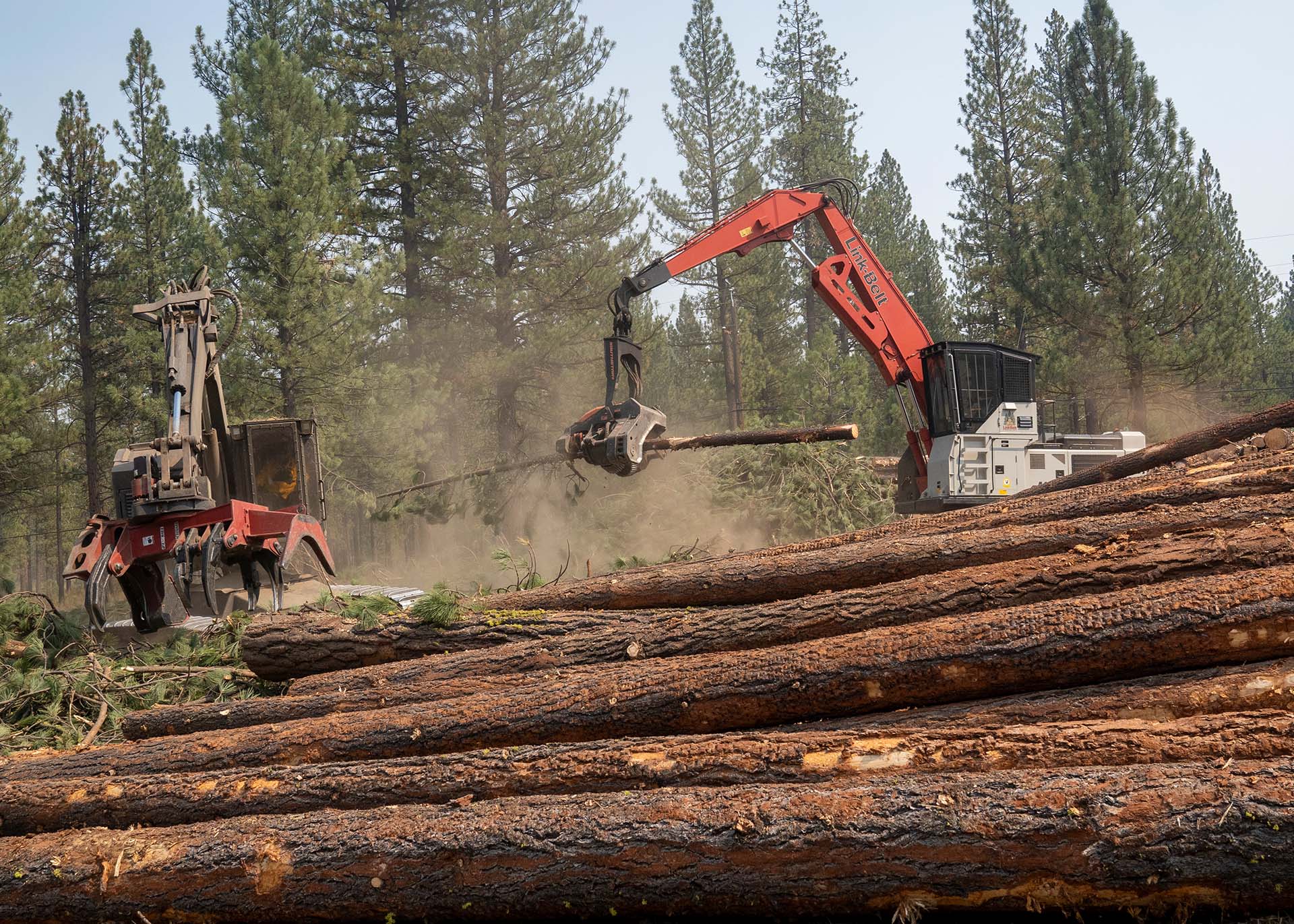
However, forest ecologists view broad-scale salvage logging with deep skepticism. Over the past year, federal agencies have increasingly used the “fuel reduction” label and emergency authorities to push through destructive projects—including unannounced logging in Pisgah’s Nolichucky Gorge, and a sweeping “fuel reduction” and salvage proposal along the Blue Ridge Parkway. Rushing heavy machinery into storm-battered forests often inflicts a second ecological disaster on the landscapes we love.
Why “Salvage Logging” Deserves Our Skepticism
What looks like a mess of fallen timber is actually a vital phase of natural forest recovery. MountainTrue is pushing back against reckless salvage projects for five critical reasons:
- Abuse of Emergency Loopholes: Federal law requires agencies to study the environmental impacts of logging projects and take public input. Increasingly, however, agencies use emergency loopholes to fast-track commercial salvage across thousands of acres—shutting out communities and scientists until the chainsaws are already running.
- Stripping Away Recovery Building Blocks: Dead and downed trees—and standing dead trees called snags—are not wasted wood. Hollow logs and snags provide essential habitat for bats, birds, bears, and salamanders. Decaying trunks act like giant sponges that hold soil moisture during droughts, slow runoff, and return nutrients to the earth, while tangled treetops shield young seedlings from deer browse.
- Soil Compaction and Muddy Rivers: Hauling out heavy logs often requires bulldozing temporary roads and skid trails. On steep slopes destabilized by Helene, multi-ton machinery could compact soil, crush surviving roots, and trigger severe erosion—washing mud into coldwater streams that support trout, endangered Eastern hellbenders, and rare freshwater mussels.
- Worsening Wildfire and Invasive Risks: Despite claims of “fuel reduction,” decades of science show that heavy salvage logging increases short-term fire risk. Logging removes moisture-holding logs while leaving behind a carpet of dry branches and treetops (“slash”) that ignites easily and burns hot. Meanwhile, opening the canopy dries out the forest floor, and heavy equipment tracks in flammable invasive plants like tree of heaven, princess tree, and oriental bittersweet.
What Makes a Good Fuel Reduction Project?
MountainTrue supports clearing fallen trees where they genuinely threaten human safety or infrastructure. Responsible stewardship comes down to where, how, and why the work is done. A good salvage project:
- Protects People, Not Timber Targets: Clears only true hazards along existing roads, trails, powerlines, campgrounds, and areas immediately around homes—leaving live trees and downed wood in remote areas as habitat..
- Stays on Existing Roads: Operates from paved or gravel roadbeds using cables or booms, with zero new logging roads or bulldozed skid trails on steep slopes.
- Safeguards Water & Wildlife: Keeps machinery out of stream buffers and surveys for rare and imperiled species beforehand.
- Respects the Public Process: Engages local communities, scientists, and conservation partners upfront with full environmental review.
Stand Up for Real Forest Recovery
Our mountain forests have evolved over millions of years to recover from wind, water, and fire—if we give them space to heal. MountainTrue will continue watchdogging federal agencies to ensure Hurricane Helene is not used as an excuse to log our wildest public lands behind closed doors.