Don’t Let Federal Loopholes Bulldoze Our Mountain Forests and Imperiled Wildlife
Karim Olaechea
Take action today to protect the Endangered Species Act and defend our mountain forests—use the form on this page to send an urgent message to your members of Congress right now.
Even after a federal court ruled that the U.S. Forest Service violated the Endangered Species Act, sweeping new regulatory rollbacks in Washington threaten to put the Pisgah and Nantahala National Forests—and the endangered wildlife that call them home—right back on the chopping block.
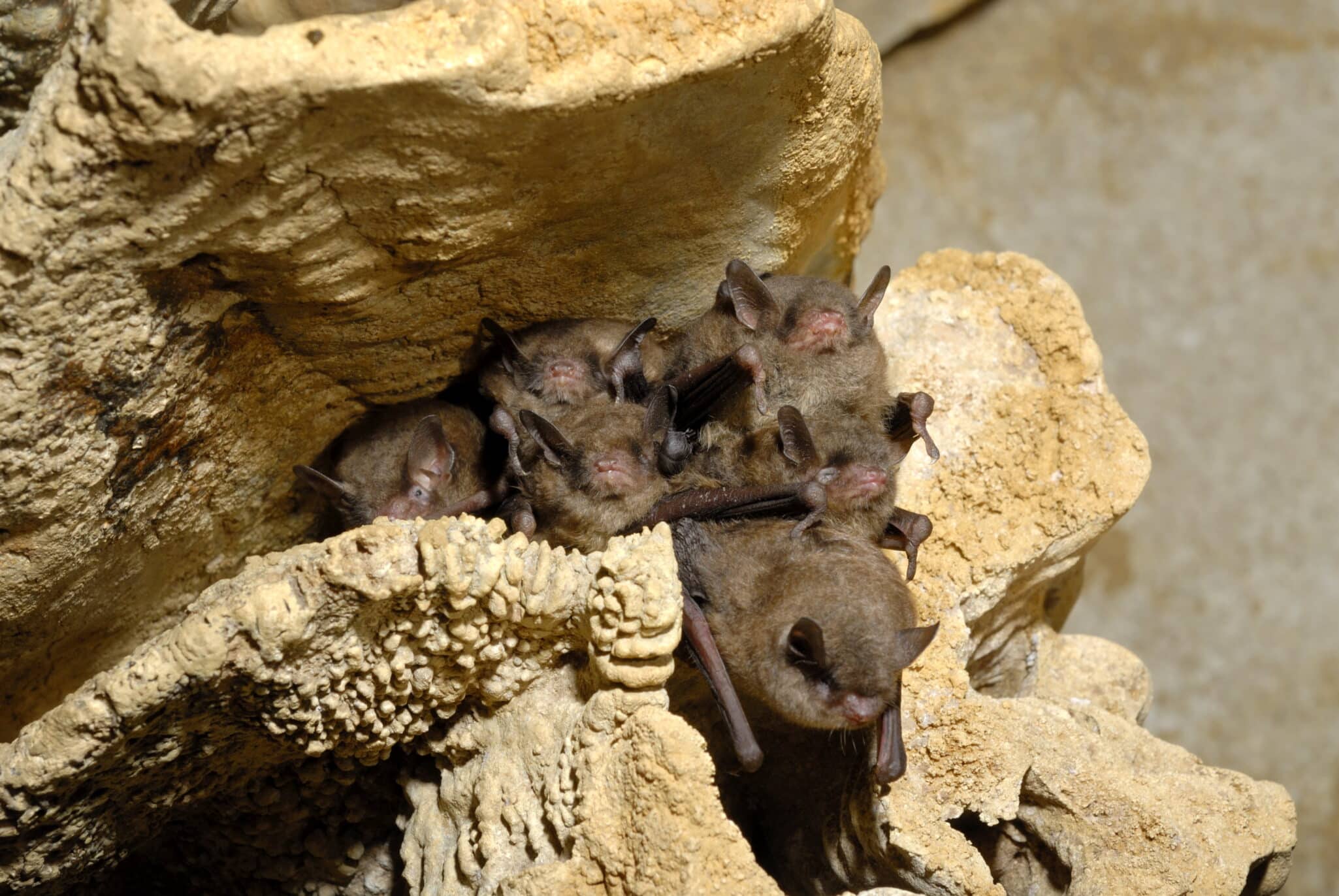
Deep in the coves and hardwood ridges of the Pisgah and Nantahala National Forests, four of America’s most imperiled bat species—the Northern long-eared bat, Indiana bat, Virginia big-eared bat, and Gray bat—are fighting for survival. Reeling from the combined pressures of habitat loss and white-nose syndrome, these four species rely on our intact mountain forests and streams to hunt for insects, shelter their caves, and raise their flightless pups beneath the peeling bark of mature trees.
In March 2026, MountainTrue and our conservation partners won a federal court case proving that the Forest Service broke the law by failing to properly study the harm to these endangered bats when it approved a fivefold increase in commercial logging across the Pisgah and Nantahala.
Now, rule changes in Washington could allow the agency to sidestep this decision and undertake destructive logging projects without fully accounting for impacts to bats.
The administration has finalized two devastating regulatory shifts designed to gut the Endangered Species Act (ESA) from the inside out:
Erasing Habitat Protections (“Harm”): Rescinding the long-standing definition of “harm” so logging, mining, and drilling companies can clear-cut or bulldoze critical wildlife habitat as long as they don’t directly strike an animal on the spot.
The “Specific Intent” Loophole (“Take”): Issuing a U.S. Fish and Wildlife Service directive declaring that “felling a tree is not a take of the bats roosting in it unless the tree is felled for the purpose of killing or capturing them.” Under this absurd loophole, a logging crew can cut down a grove of trees known to hold roosting mothers and flightless pups, crush the bats inside, and face zero legal liability because their stated goal was harvesting timber.
What You Can Do
The Endangered Species Act’s success rests on a commonsense principle: we cannot recover endangered wildlife while allowing the destruction of the habitats essential to their survival.
Contact your members of Congress today and tell them to:
Stand with the more than 80 percent of Americans who overwhelmingly support the protection of endangered species and public lands.
Reject any legislative riders or budget cuts that weaken the Endangered Species Act, strip protections from imperiled wildlife, or undermine science-based conservation.
Overturn the administration’s disastrous ESA “Harm” and “Take” rules by passing the Safeguarding Endangered Species Act and related legislation to restore the longstanding definition of “harm” and defend the habitat protections that wildlife and our communities need to survive and recover.
Take Action
Keep Reading
A Future Home for Bee Log
NCDEQ proposes further leniency on Lake Lure’s decades-long pollution of Broad River
Stand Up to Oppose Data Center in Grape Creek Community
Our Business Community Supports MountainTrue’s River Clean-Up Efforts
Where Faith Meets Conservation: The Creation Care Alliance at Work
Reason for a Block Party: Asheville Expands Housing Options Across the City