Take Action to Protect the Streams that Protect Us
Andy Hill
Foothills, High Country, Land of Sky, Southwestern
Clean Water
The Clean Water Act is under threat—and here in the Southern Blue Ridge Mountains, that could have major consequences for the rivers, streams, wetlands, and communities we call home.
On September 9, the U.S. Environmental Protection Agency and Army Corps of Engineers released a supplemental proposal that would dramatically narrow which waters are protected under the Clean Water Act.
Under the proposal, many streams and tributaries would lose federal protection if they do not have water flowing continuously throughout the entire year. Wetlands could also lose protection unless they meet extremely narrow requirements for their connection to other protected waters.
That matters here in the mountains.
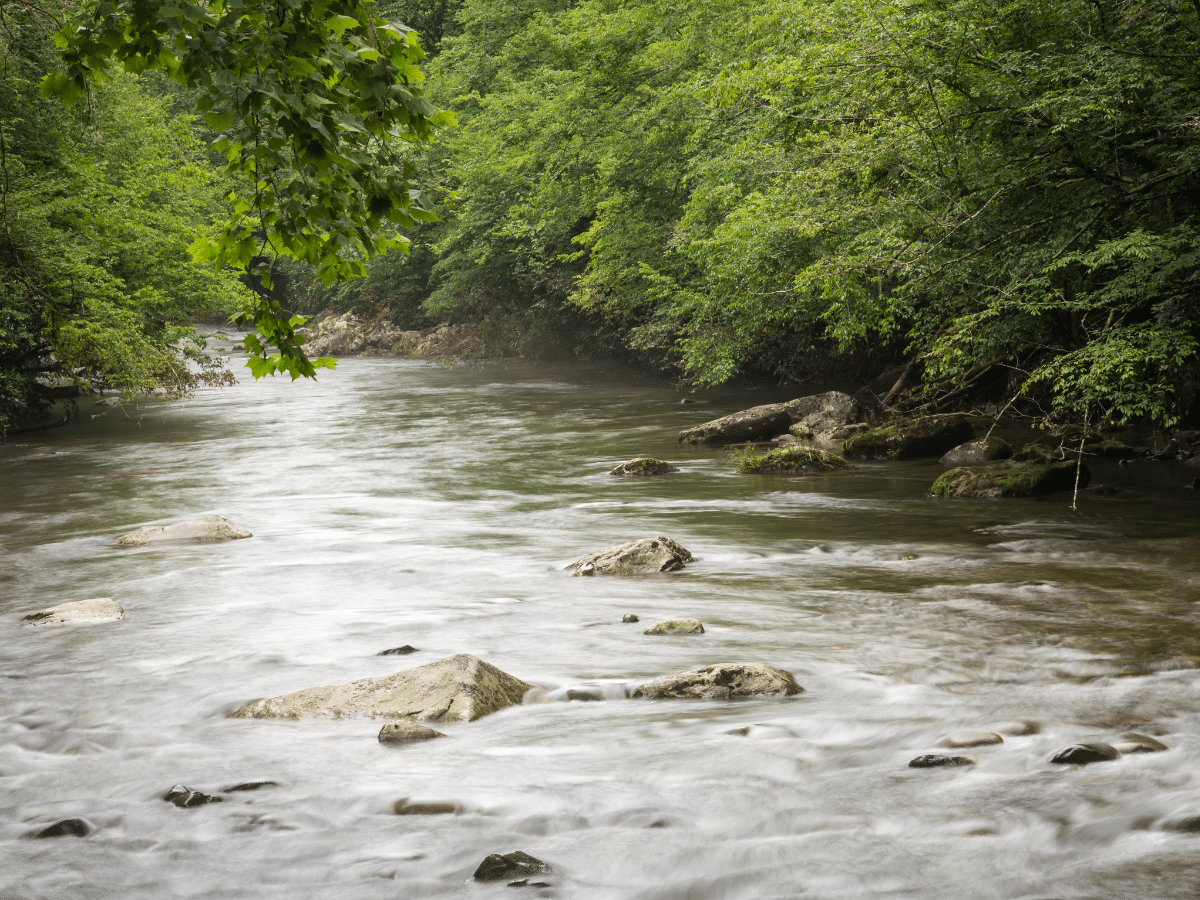
Our rivers and streams are fed by countless smaller tributaries, headwater streams, seeps, and wetlands. Many of these waters naturally change with the seasons. A stream does not become less important to clean drinking water, wildlife, downstream rivers, or our communities simply because it isn’t flowing every single day of the year.
And the consequences could be enormous. According to Waterkeeper Alliance, these proposals could leave at least 79% of rivers and streams and 95% of individual wetlands nationwide without Clean Water Act protections.
Tell EPA and the Army Corps: Keep our waters protected.
Use the form below to send a message urging the agencies to reject this rollback and maintain strong Clean Water Act protections for our rivers, streams, tributaries, and wetlands.
Your voice matters. Federal water protections are especially important for communities like ours, where healthy mountain streams flow into the Watauga, New, and other downstream waters that provide drinking water, recreation, habitat, and a foundation for our local economy.
We should not have to wait until a stream is flowing year-round—or until pollution has already occurred—to decide that it is worth protecting.
Take action today and tell federal decision-makers: Our streams are worth protecting, every season of the year.
Keep Reading
Take Action to Protect the Streams that Protect Us
Huge win for the places we share: Cherokee County reverses course, steps up to protect public lands
Donor Spotlight: Mary Buttitta
Victory: IPEX partners with MountainTrue for continued French Broad River cleanup
MountainTrue’s 2026 Award Winners
Beyond Design: Building Stewardship in Hot Springs