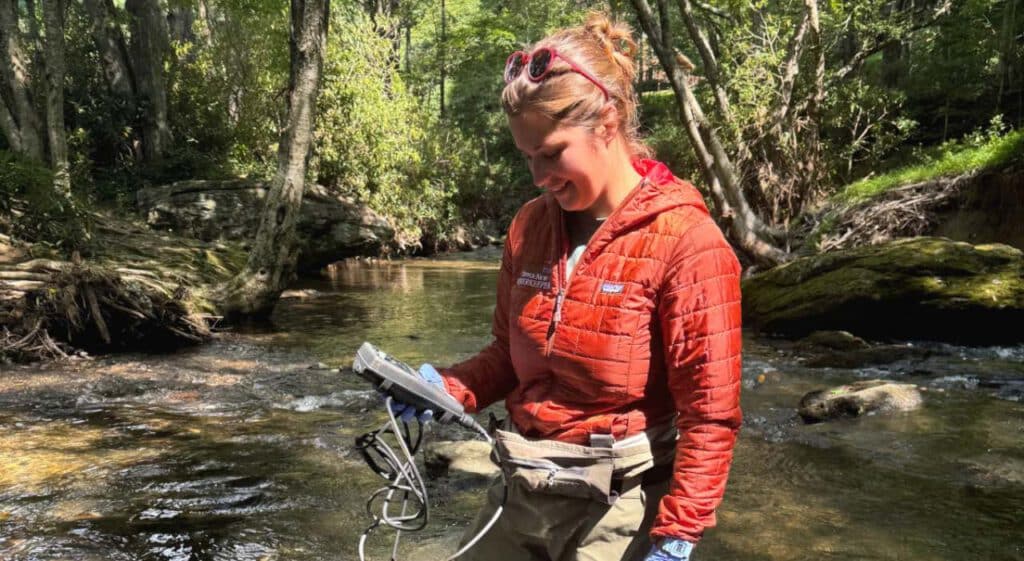
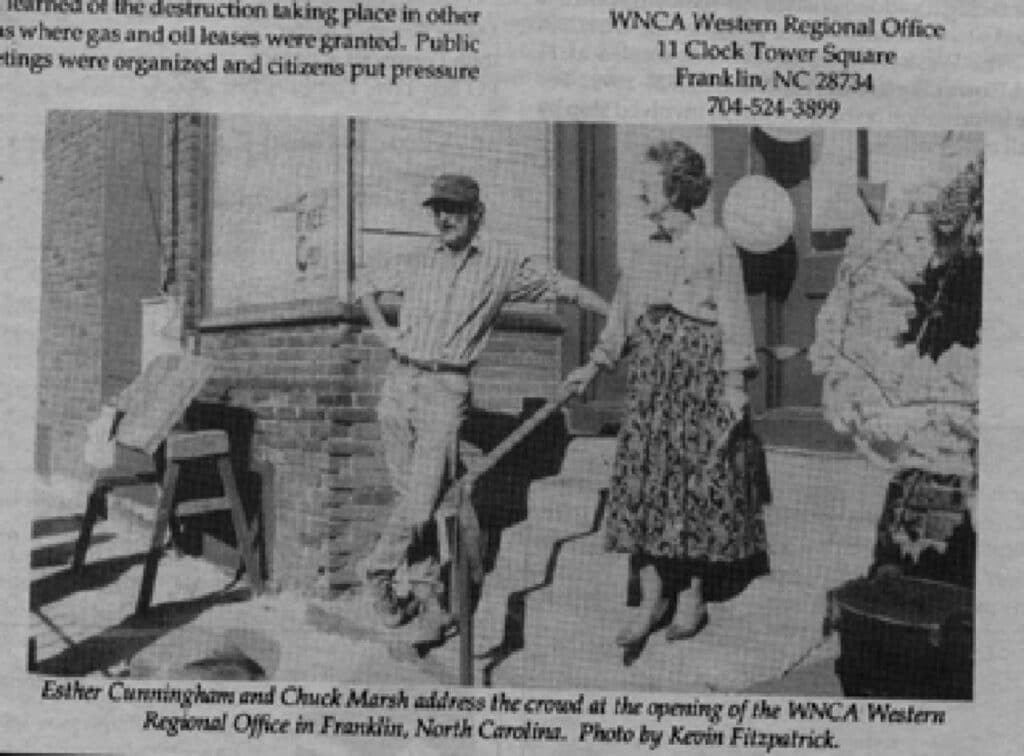
Concerned citizens in Macon County, led by Esther Cunningham and David Liden, came together to form the Western North Carolina Alliance (WNCA) in response to proposed oil and gas leases in the Nantahala and Pisgah National Forests. That grassroots coalition—rooted in education, local voice, and broad community participation—successfully halted the oil leasing threat and laid the foundation for what is now MountainTrue.
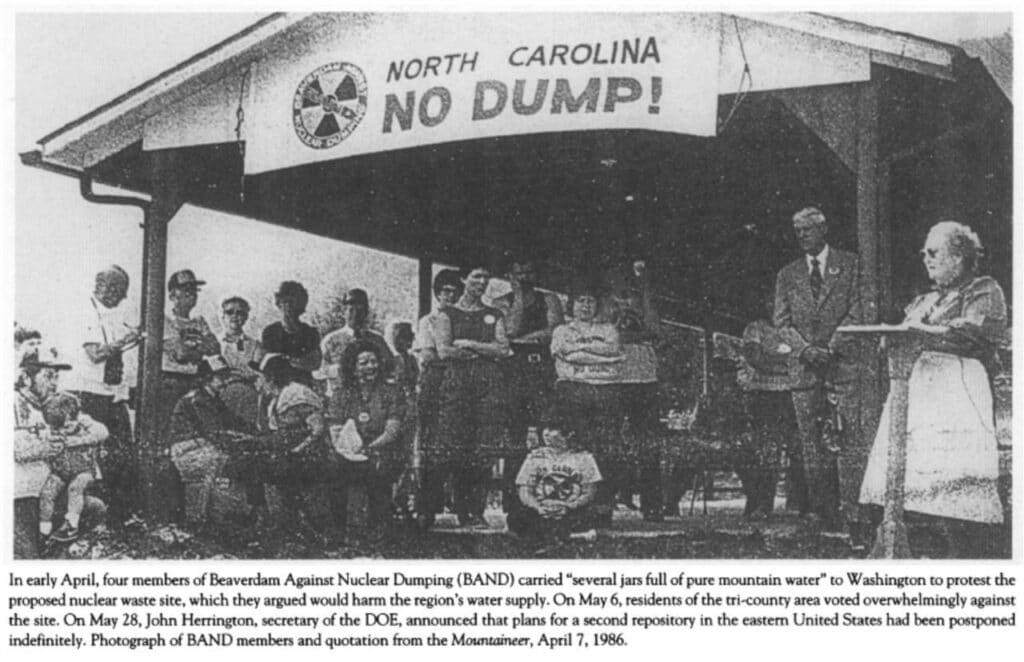
WNCA (now part of MountainTrue) helps rally public opposition to a proposed high-level nuclear waste repository in an area spanning Buncombe, Haywood, and Madison counties, working with neighbors and regional allies to block the plan.
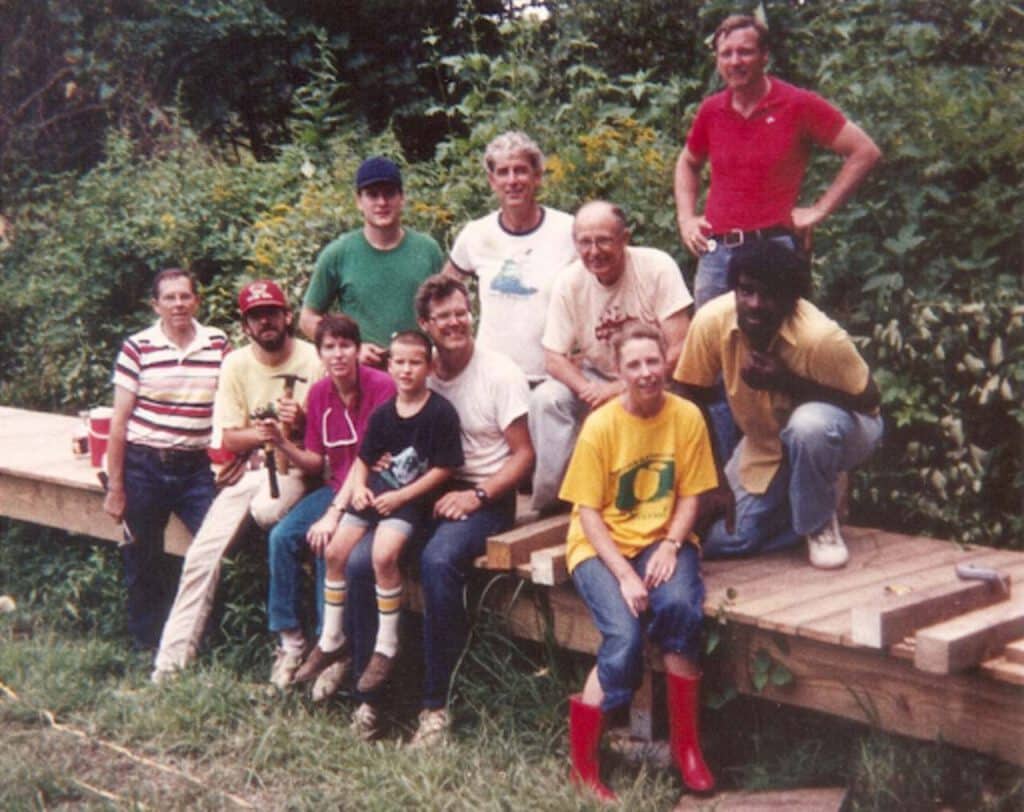
In Henderson County, a small group of local citizens formed what they first called the Outing & Environmental Group, meeting around kitchen tables to watch videos, hike, and discuss threats to their backyards. Within two years, the group formalized as the Environmental and Conservation Organization (ECO) and went on to spearhead projects like the Jackson Park Nature Trail—all laying groundwork for what would later become MountainTrue.
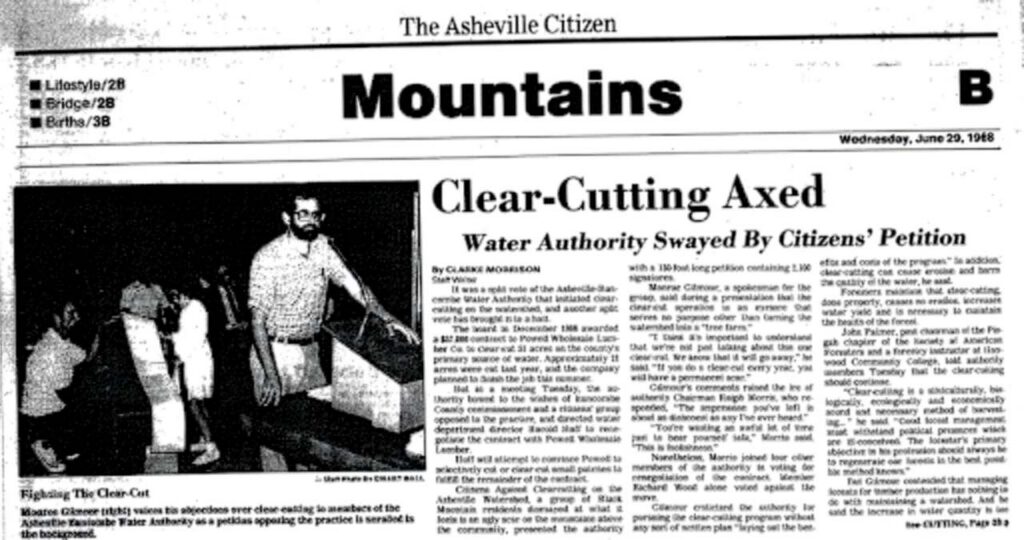
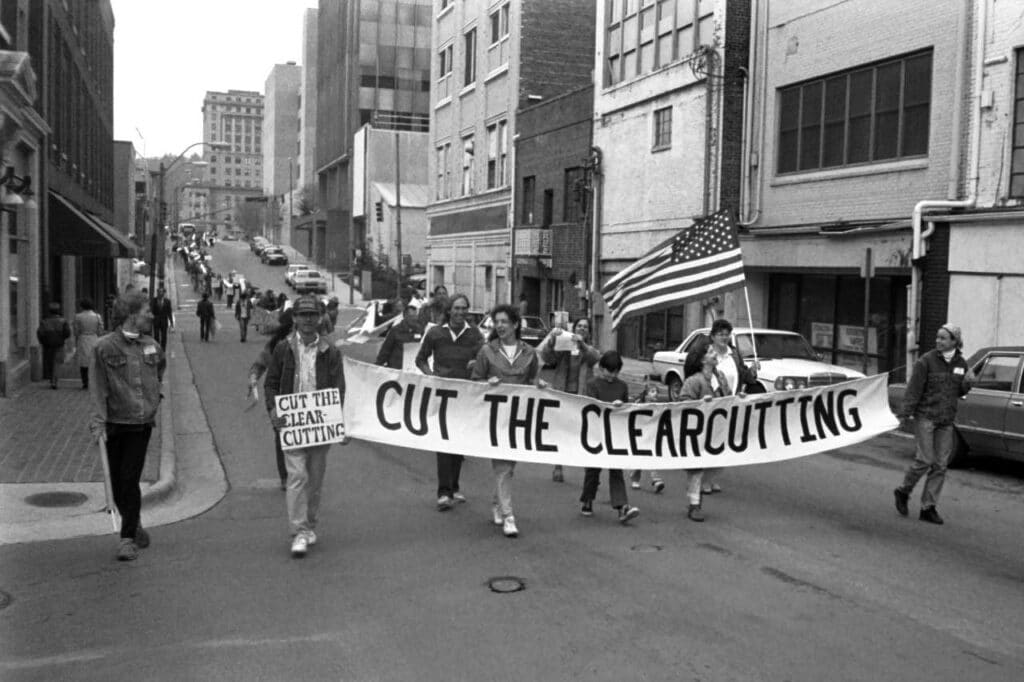
WNCA leads the “Cut the Clearcutting” campaign, mobilizing grassroots power and collecting over 15,000 petition signatures to stop destructive clearcut logging in the Nantahala-Pisgah National Forests. Their efforts persuaded the U.S. Forest Service to amend forest plans — ending clearcutting, establishing streamside buffers, and creating protected old-growth tracts.
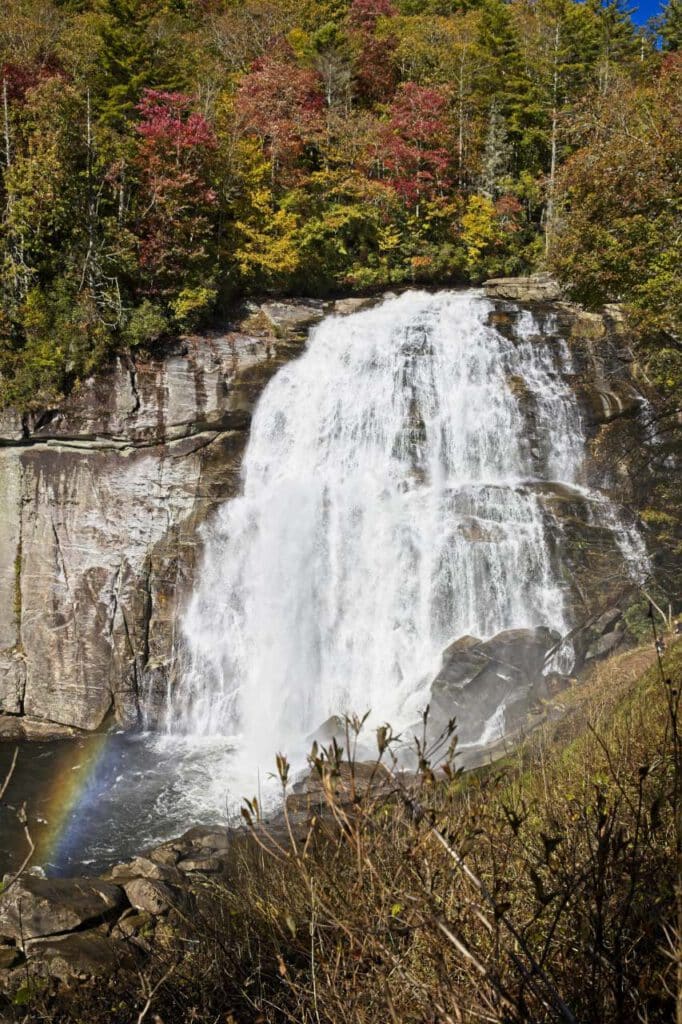
ECO (now part of MountainTrue) helps establish DuPont State Recreational Forest, the first designated recreational forest in North Carolina. What was once a private hidden treasure is now 12,000 acres of protected land, home to iconic waterfalls, rare species, and beloved by millions of visitors each year.
In December 1994, the Western North Carolina Alliance (WNCA) raised the alarm when Broken Hill Proprietary (BHP)—Australia’s largest corporation—began prospecting for copper, zinc, and gold in the Cherokee and Nantahala National Forests. WNCA opposed the project, citing the company’s destructive environmental record abroad and the risks of toxic waste and groundwater contamination from copper mining. After sustained public opposition, BHP abandoned its plans. On August 1, 1996, the corporation announced it would not seek to renew its expired prospecting permit, acknowledging “a lot of disenchantment” from local citizens who stood against the project.

After six years of research, WNCA publishes Old Growth Forest Communities in the Nantahala-Pisgah National Forests — a landmark survey, documenting more than 77,000 acres of old-growth forests in Western North Carolina’s National Forests. The survey, led by WNCA researcher Rob Messick, dispelled the myth that old-growth trees weren’t present in significant numbers outside of Great Smoky Mountain National Park, and provided crucial information in future efforts to protect old-growth stands from timbering.
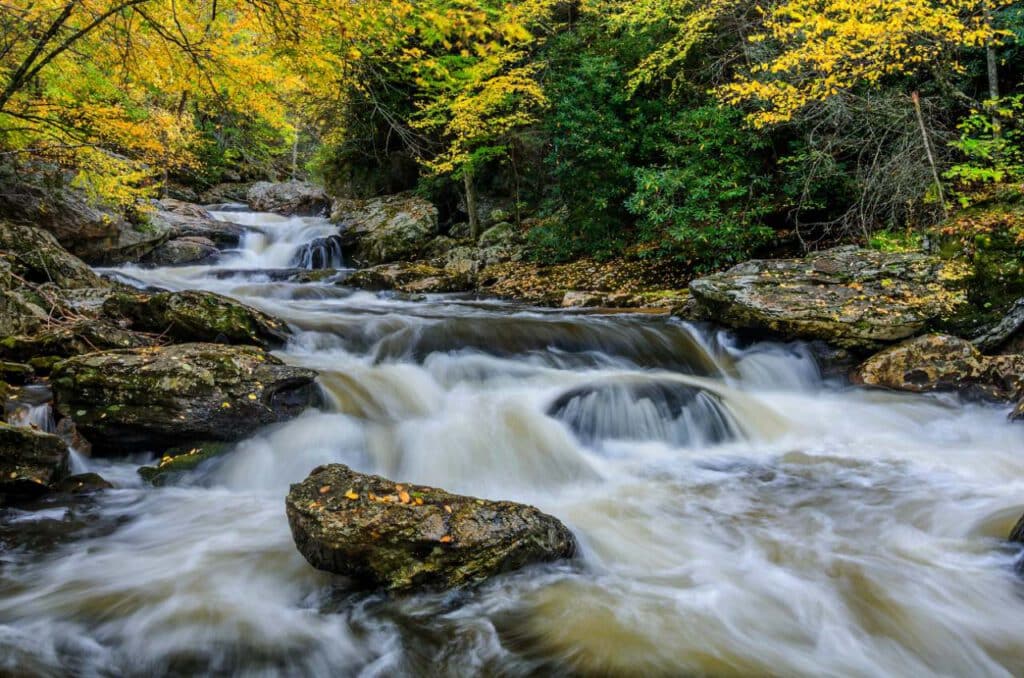
The Chattooga Conservancy has been helping citizens in the Highlands and Cashiers communities establish the Jackson Macon Conservation Alliance (JMCA). The JMCA coalesced from a bitter water quality dispute that recently lead to a landmark ruling in NC, where an administrative judge gave priority to measurable units of turbidity instead of the implementation of voluntary best management practices in cases involving erosion control, mitigation and enforcement. The judge’s decision has set the stage for rewriting state sedimentation laws, oversight of which is foremost on the JMCA’s actions. The organization has also endorsed the designation of the Cullasaja River as a state Natural and Scenic River; such a designation could result in greater scrutiny of actions that would impact the river.
The WNC Alliance led the effort to preserve the Needmore Tract—one of the most significant land conservation priorities in the Southeast. Needmore is a 4,500 acre tract of land just south of the Great Smoky Mountains National Park. The Little Tennessee River, North Carolina’s most ecologically diverse river, flows through the heart of this property. The area also serves as an important biological corridor linking nearby areas of national forests. WNC Alliance helped organize a new community group called Mountain Neighbors for Needmore Preservation. This group of hunters, anglers, farmers and nearby property owners added local voice and perspective to the state-wide effort to preserve this land.
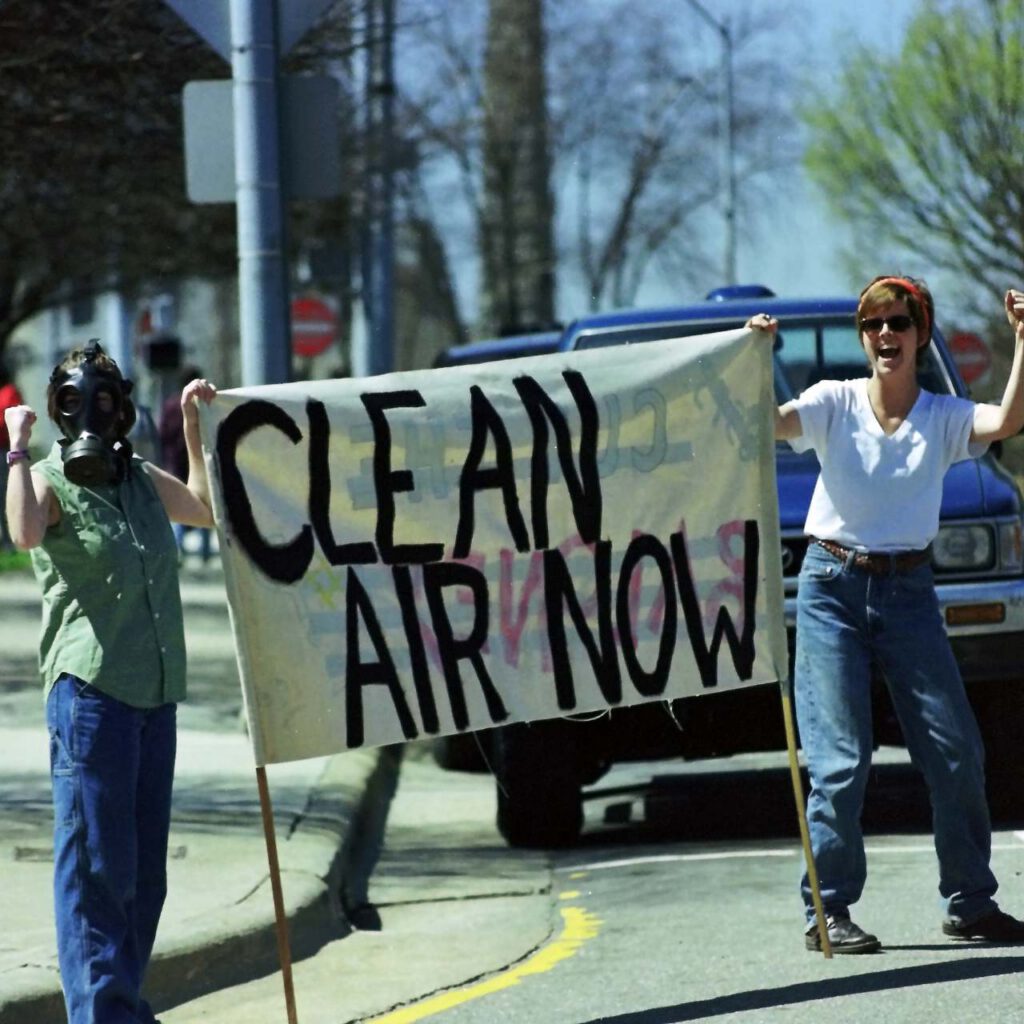
The Western North Carolina Alliance and the Jackson Macon Conservation Alliance joined environmental, public health, and other groups around the state to pass North Carolina’s Clean Smokestacks Act. The statute required North Carolina’s coal-burning power plants to reduce their nitrogen oxide emissions by 77% by 2009 and sulfur dioxide by 73% by 2013. The passage of the Clean Smokestacks Act led to a drastic improvement in our region’s air quality, plummeting rates of childhood asthma, and an end to persistent fog and frequent acid rain. The Clean Smokestacks Act also help spark our Western North Carolina’s rebirth and a preeminent outdoor destination, bolstering our local economy.
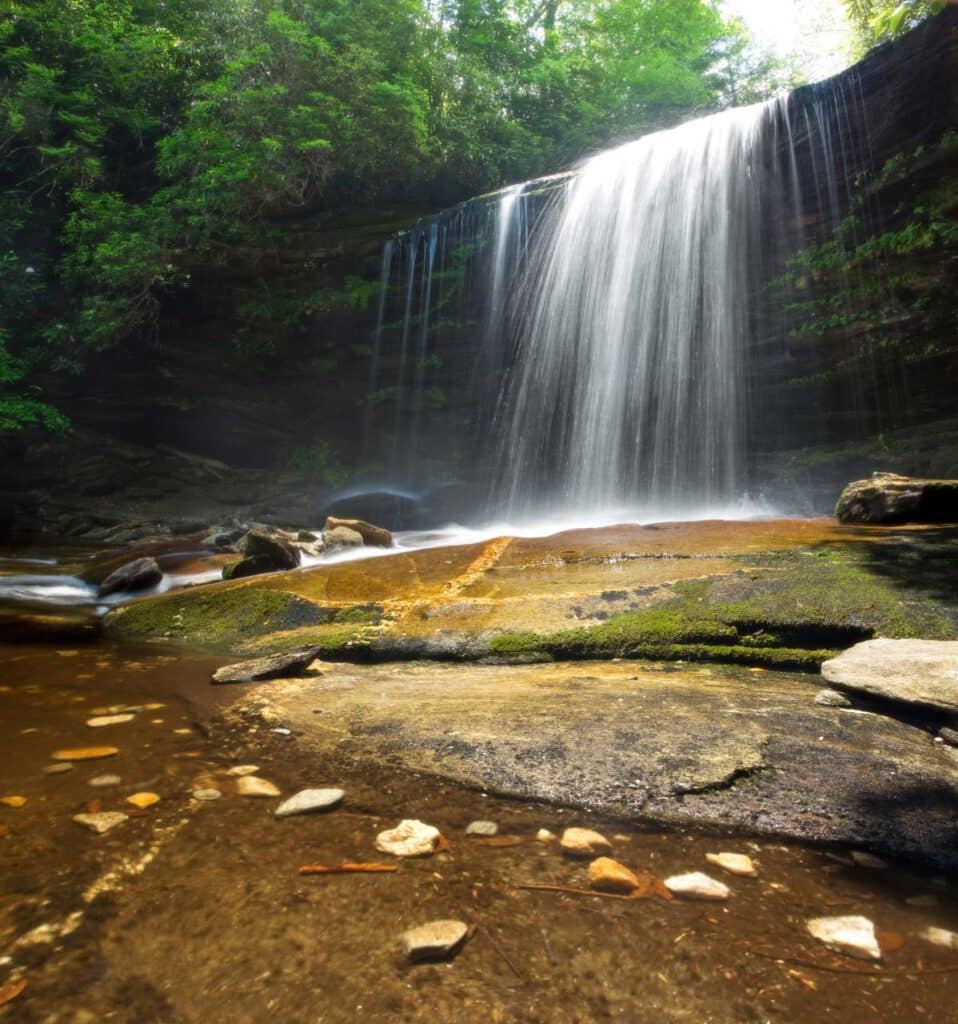
The Western North Carolina Alliance successfully advocated for the creation of the Buncombe County Land Conservation Fund. As of 2017, the program has received $36 million in grants and gifts from landowners & donors and protected 75,711 acres.


Members of the Jackson Macon Conservation Alliance come together as volunteers to begin reducing forest user conflicts by gathering input from the public. The original goal was to create a group of supporters that would provide funding and volunteers in an effort to address the many unmet conservation and maintenance needs in Pathertown. This project became known as Friends of Panthertown. In 2011, Friends of Panthertown became a separate nonprofit dedicated to working in partnership with the U.S. Forest Service to conserve Panthertown as a backcountry natural resource and to enable sustainable recreation.
Asheville Design Center (ADC) is founded by local designers, architects, and engineers in response to the proposed I-26 Connector project, championing a community-driven design approach. The center organizes public design charrettes and workshops to develop a community-authored alternative for the highway that reflects neighborhood input.

During David Weintraub’s tenure as the executive director, ECO advocates for and provides significant input in the drafting of the Henderson County’s Land Development Code, aimed at creating an environment for smart and well-managed growth in the county.

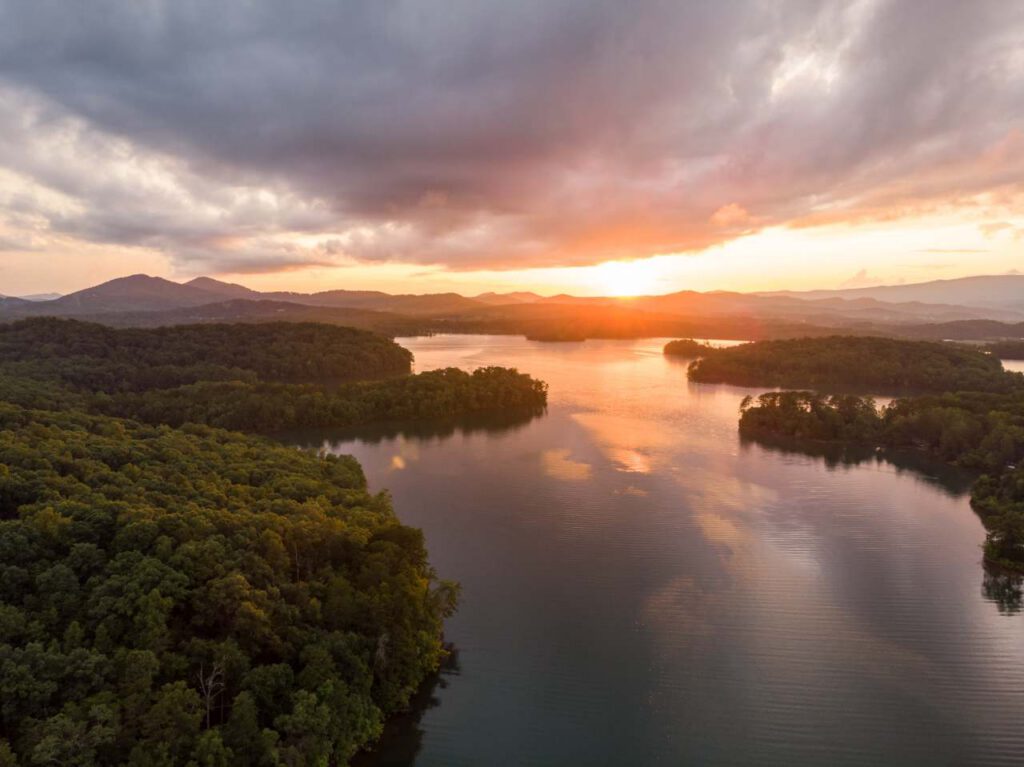
Asheville Design Center Volunteers release a community-driven alternative for the I-26 Connector highway expansion project that includes better connectivity, new infill opportunities, and even a new signature bridge.
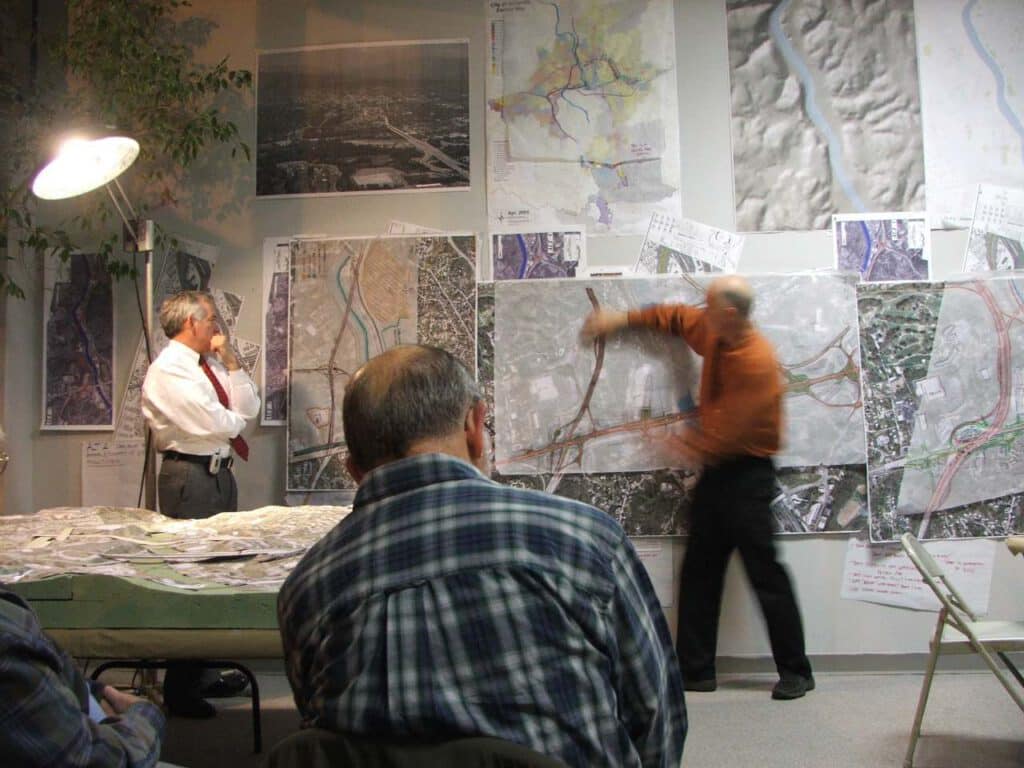
ADC and WNCA partner to engage the Burton St. community in developing the Burton St. Community Plan to mitigate negative impacts of the I-26 expansion.
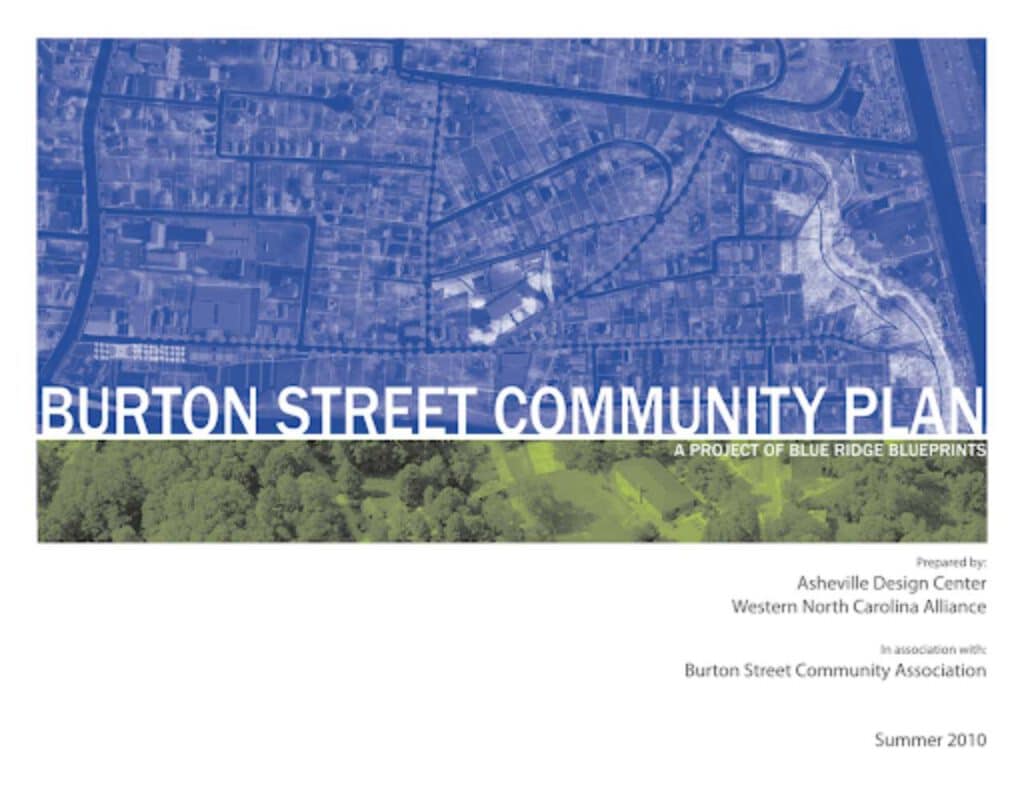
French Broad Rivekeeper Hartwell Carson leaves RiverLink and brings the French Broad Riverkeeper program to the Western North Carolina Alliance with a focus on stopping Duke Energy’s pollution for the French Broad River from its Lake Julian coal ash pits.
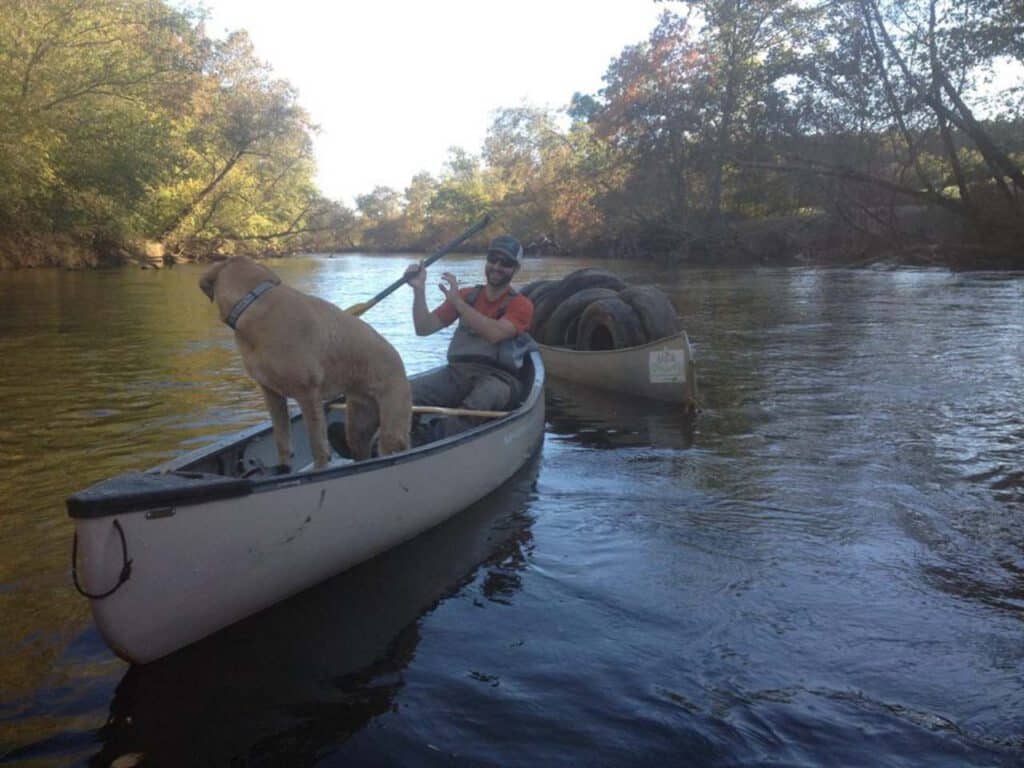
WNCA helps re-establish the Environmental Quality Institute which, through its Volunteer Water Information Network, provides monthly water quality data on more than 200 sites in Western North Carolina.
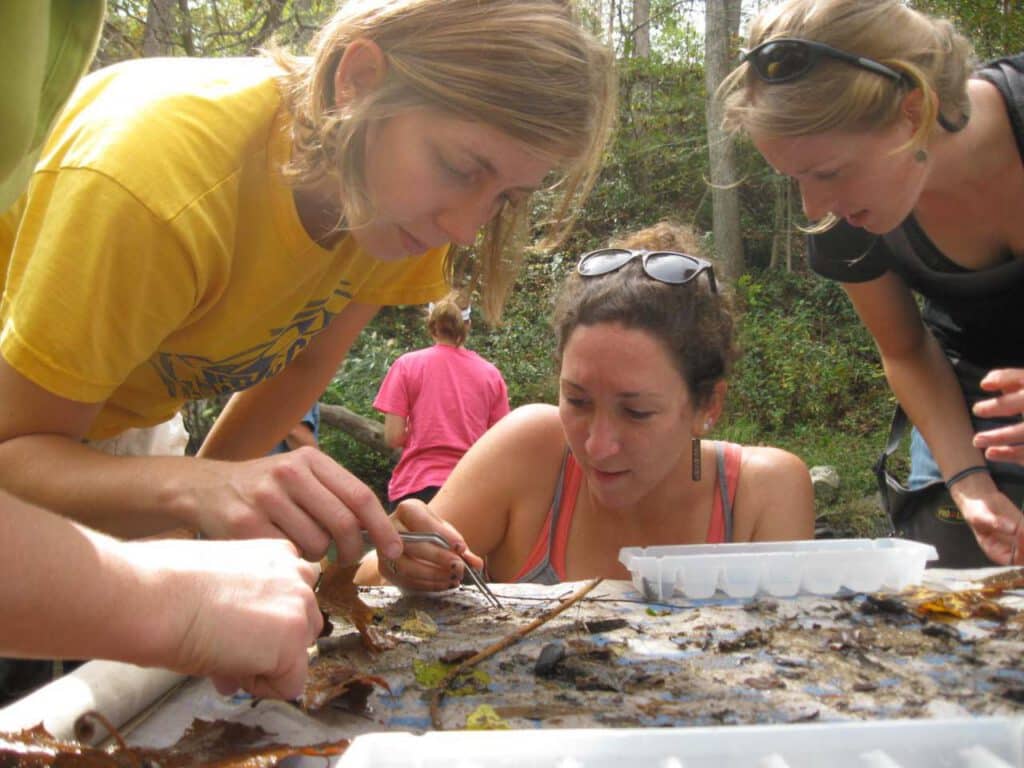
The Jackson–Macon Conservation Alliance (J-MCA) launches the Bear Smart Initiative, a community effort to reduce human–bear conflicts through education and stewardship. This pioneering program later evolved into the regional B.E.A.R. Task Force, promoting coexistence between people and black bears across Western North Carolina.

Now completed, the paddle trail boast seven dedicated campsites and another 12 private and National Forest campsites, allowing people to take multi-day paddle trips by linking 140 miles of the French Broad River. In 2016, Outside magazine ranked the paddle trail as #11 in its annual list of Best Trip … in the world.

MountainTrue was a founding member of the Asheville Beyond Coal coalition. Powered by a community of dedicated advocates and volunteers, sought to pressure Duke Energy to clean-up its coal ash dumpsites along the French Broad River and transition from fossil fuel energy to clean, safe and renewable energy sources; reduce energy demand in Western North Carolina through energy conservation and efficiency; replace jobs dependent on fossil fuels with jobs centered on conservation, efficiency and renewable energy technologies.

Donna Lisenby was the Upper Watauga Riverkeeper from 2008-14. In 2012, she brought the Riverkeeper program to the Western North Carolina Alliance, where the program continues to flourish under the leadership of Andy Hill, our current Watauga Riverkeeper.
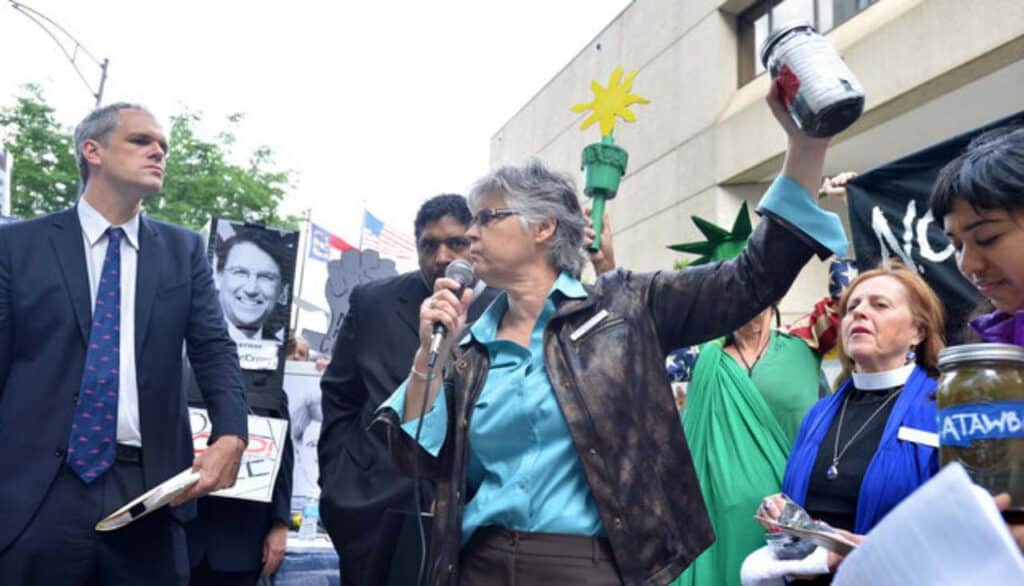
Local clergy and lay leaders form Western North Carolina Green Congregations, bringing faith communities together to care for creation and address environmental challenges. The network later grew into today’s Creation Care Alliance, now a program of MountainTrue.
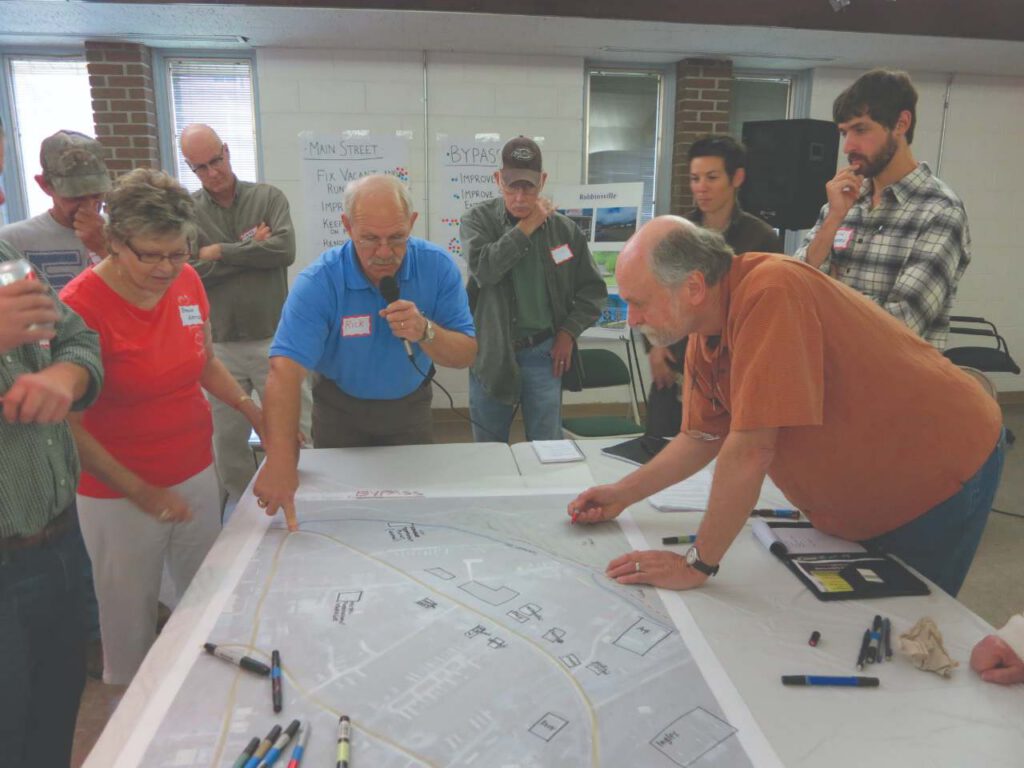
The Asheville Design Center (ADC) works with the Town of Robbinsville to create a Revitalization Plan, engaging residents in a community-driven vision to strengthen downtown, improve walkability, and support local economic vitality.
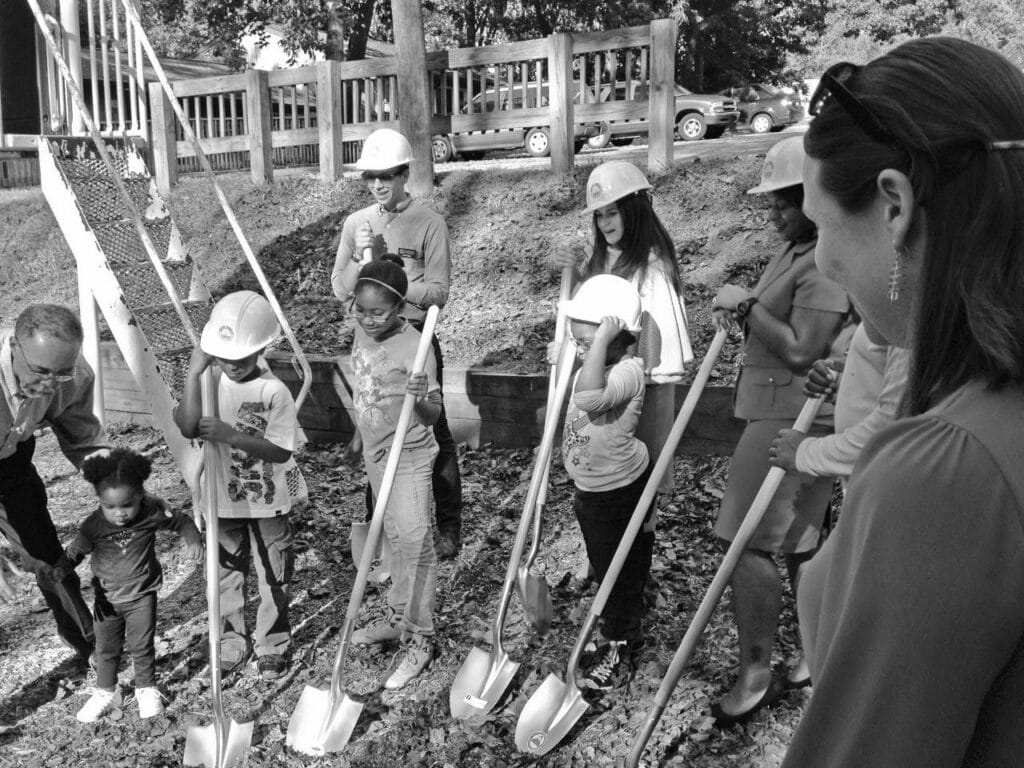
The Asheville Design Center (ADC) partners with residents of the Klondyke public housing community to design and build their first playground, using a participatory process that empowered neighbors and created a safe, vibrant space for children to play.
The ADC DesignBuild Studio designs and constructs the “13 Bones” pedestrian bridge in Asheville’s River Arts District, combining student creativity with community input to improve connectivity and honor the area’s cultural character.
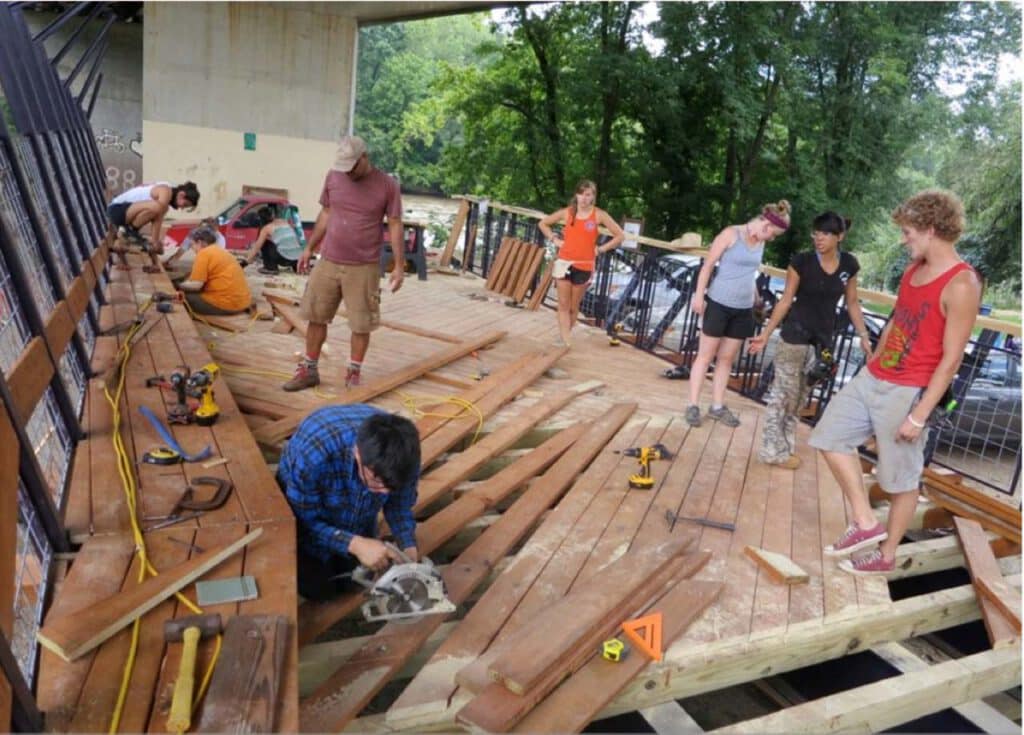
The ADC DesignBuild Studio collaborates with the Asheville YWCA to design and build the Beehive Pavilion, a creative outdoor gathering space that blends functional design with community engagement.
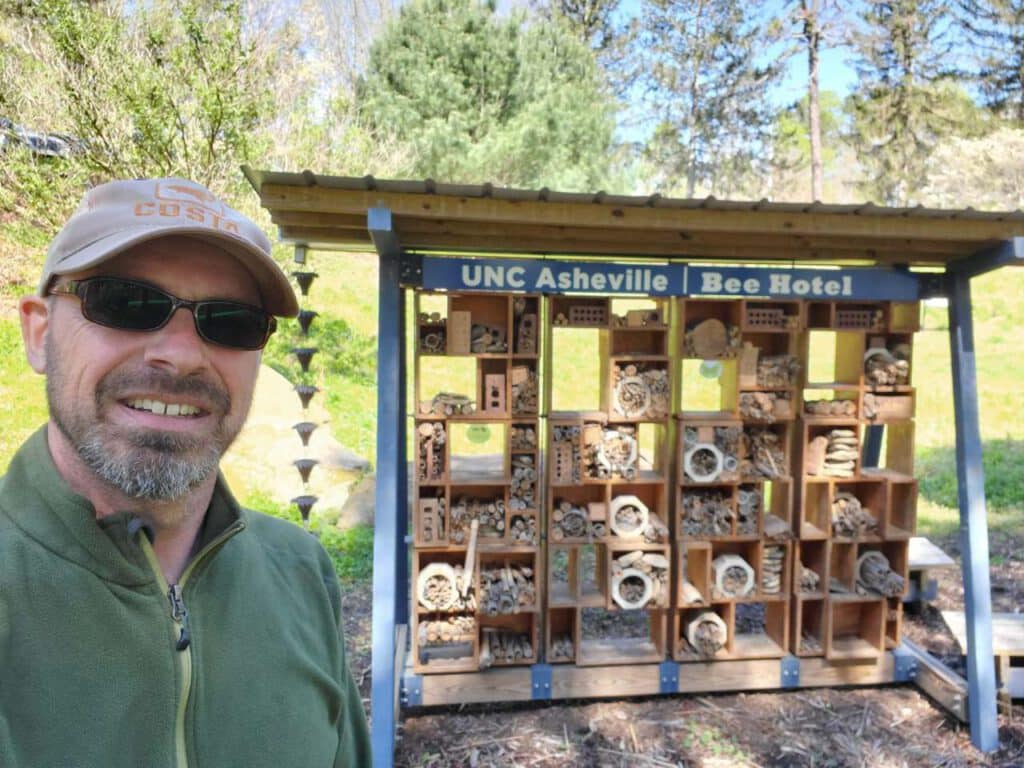
WNCA’s Anna Jane Joyner and the Asheville Beyond Coal campaign take center stage in the Showtime series Years of Living Dangerously (Episode 4, “Preacher’s Daughter”). The episode highlights the faith-based dimensions of the climate fight—following Joyner as she engages churches, preachers, and her own skeptical father in dialogue around coal, climate, and stewardship.

Three of Western North Carolina’s leading grassroots conservation groups — the Western North Carolina Alliance (WNCA), the Jackson–Macon Conservation Alliance (J-MCA), and the Environmental and Conservation Organization (ECO) — merge to form MountainTrue, creating a stronger, united voice for clean water, resilient forests, and healthy communities across the region.
David Caldwell is named the first Broad Riverkeeper, launching MountainTrue’s Riverkeeper program on the Broad River to protect water quality, monitor pollution, and engage local communities in safeguarding this vital watershed.
After a four-year Asheville Beyond Coal campaign led by MountainTrue and allies, Duke Energy announced the retirement of the Asheville coal plant. This milestone victory secured an end to decades of coal ash pollution at the site and toxic contamination of the French Broad River, and marked a turning point toward a cleaner energy future for Western North Carolina.
MountainTrue launches its first Annual BioBlitz on Bluff Mountain, in Madison County, NC, inviting public participants and expert naturalists to document the mountain’s rich biodiversity. Over two days, teams recorded more than 400 species—from plants and mosses to birds and rare lichens—building scientific data for conservation and strengthening community connection to this wild landscape.
MountainTrue launches its first Annual BioBlitz on Bluff Mountain, in Madison County, NC, inviting public participants and expert naturalists to document the mountain’s rich biodiversity. Over two days, teams recorded more than 400 species—from plants and mosses to birds and rare lichens—building scientific data for conservation and strengthening community connection to this wild landscape.
Creation Care Alliance hosts a public speaking event featuring Dr. Katharine Hayhoe, the renowned climate scientist and evangelical Christian, bringing together faith and science to inspire action on climate solutions in Western North Carolina.

After decades of community advocacy, NCDOT adopts Alternative 4B, the community-designed option for the I-26 Connector through Asheville. This breakthrough reflected neighborhood priorities—like minimizing impacts, improving connectivity, and protecting local character—thanks in large part to coordination by MountainTrue (then WNCA) and its partners.
After three years of persistent advocacy by MountainTrue and community partners, the EPA orders an interim cleanup of the CTS Corp. Superfund site’s primary pool of underground contamination, a critical step toward protecting nearby residents and restoring groundwater quality.
MountainTrue names Gray Jernigan its first Green Riverkeeper, expanding its river protection initiative in the Green River watershed. In this role, Gray serves as the “eyes, ears, and voice” for the river—monitoring water quality, mobilizing community cleanups, and advocating for ecological protections across Henderson, Polk, Rutherford, and Transylvania counties.
Merger creates one organization that is better able to pursue a holistic approach to community-driven design planning in our built and natural environments.
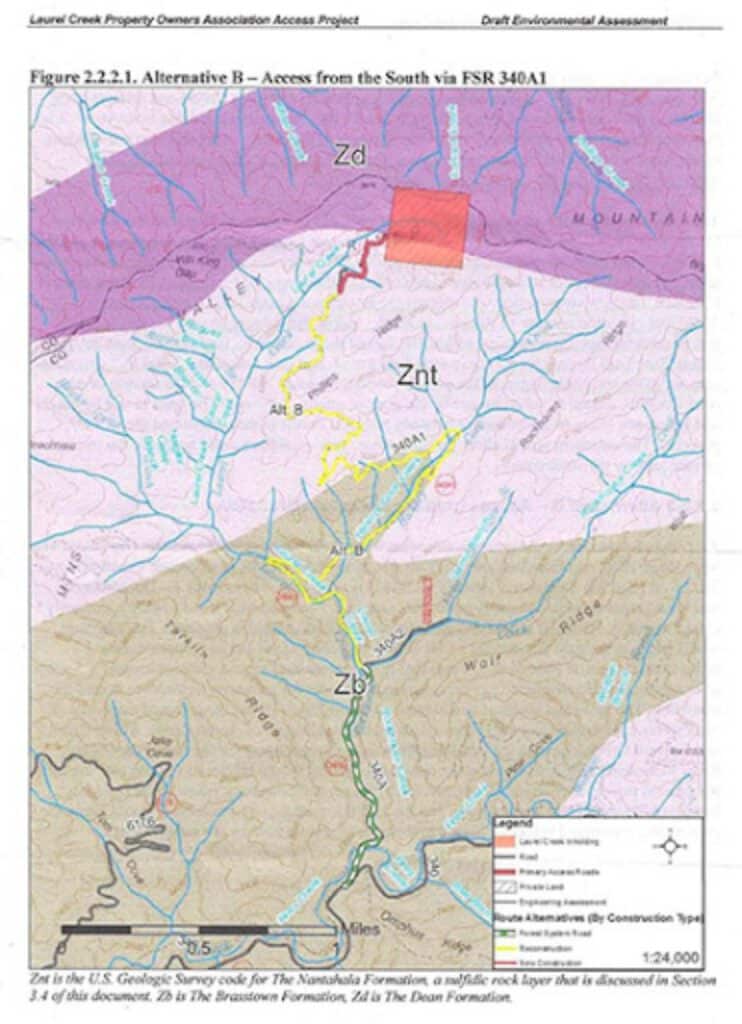
After a nine-year struggle beginning in 2008, HRWC, MountainTrue and partners helped preserve a 50-acre inholding within the Fires Creek watershed inside Nantahala National Forest, blocking plans for a new access road and protecting water quality, wildlife habitat, and the integrity of the forest rim. This win ensures Laurel Creek and Fires Creek remain safeguarded for future generations.
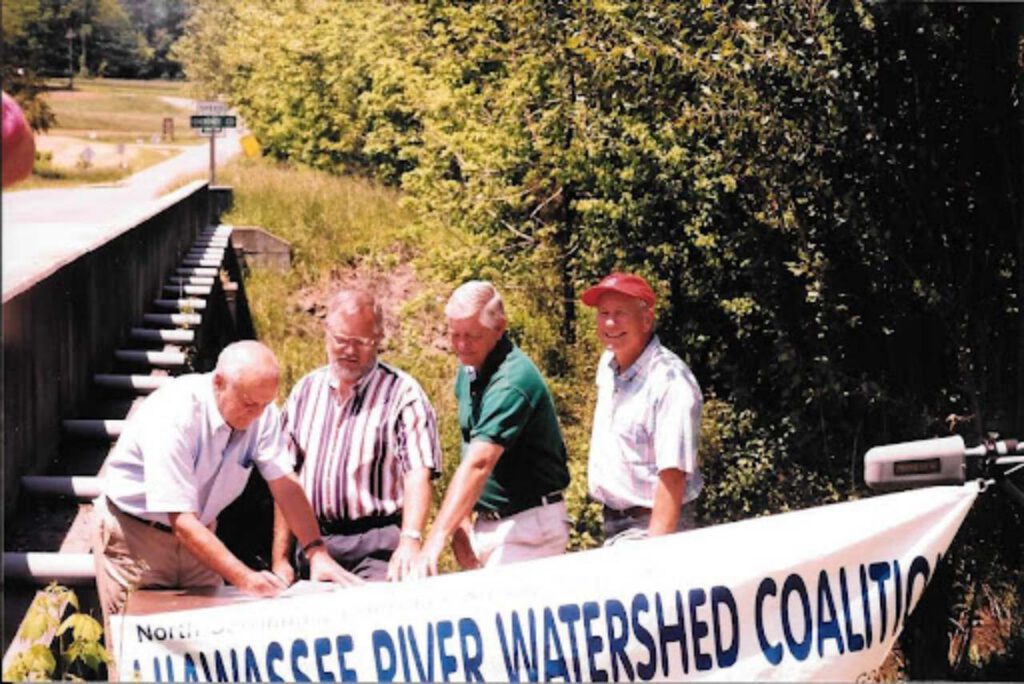
The Hiwassee River Watershed Coalition merges with MountainTrue, uniting decades of grassroots work to protect clean water in the Hiwassee basin with MountainTrue’s regional mission for resilient forests, healthy communities, and clean waters across Western North Carolina and now also Towns and Union counties in north Georgia.
Thanks to years of advocacy by MountainTrue, community partners, and the Southern Environmental Law Center, Duke Energy agreed to a historic settlement requiring the excavation of 80 million tons of coal ash from six sites — on top of cleanup already underway at eight others. This landmark agreement, the largest coal ash cleanup in U.S. history, ensures that 126 million tons of toxic ash will be moved to safe, lined landfills, protecting rivers, groundwater, and communities across North Carolina.
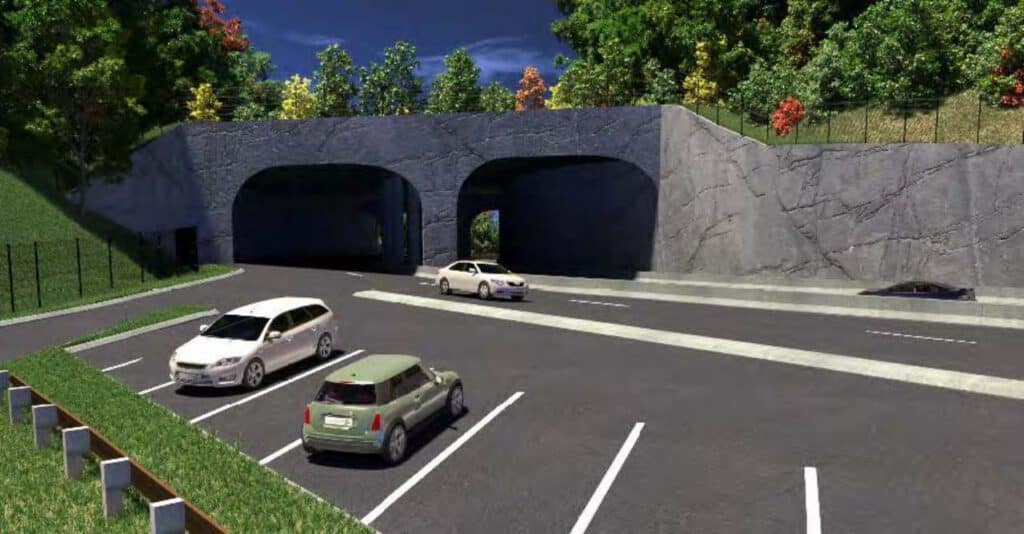
MountainTrue and WaysSouth win a better, more ecologically sound Corridor K plan, securing major design changes to protect streams, forests, and wildlife while still improving transportation. The compromise avoided destructive cuts through acid-forming rock, added wildlife crossings, and set a new standard for balancing infrastructure with environmental stewardship.
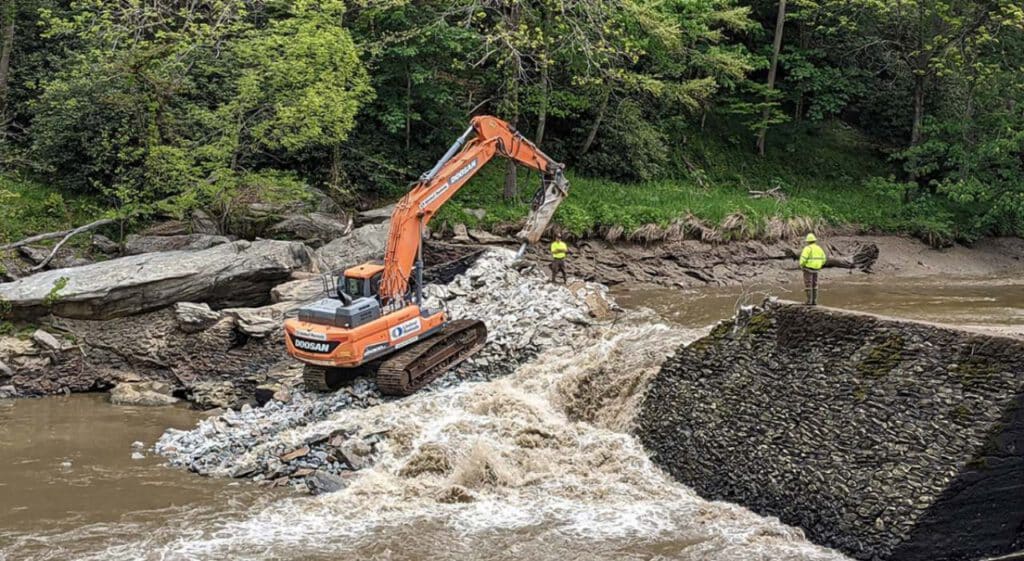
MountainTrue, in partnership with American Rivers, Blue Ridge RC&D, the U.S. Fish & Wildlife Service, Watauga County Soil & Water, and others, guided the multi-year removal of the Ward’s Mill Dam just outside Boone, NC. The $1.2 million project reconnected 35 miles of aquatic habitat in the main stem of the Watauga River and 140 miles of streams across the watershed. With the dam dismantled to bedrock, native species like the tangerine darter and threatened hellbender salamanders are reclaiming habitat. The removal also opens new recreation potential.
MountainTrue partners with the North Carolina Department of Health and Human Services (DHHS) to launch a new Septic Repair Grant Program, covering the full cost of septic repairs for qualifying homeowners in Western North Carolina. The initiative improves water quality, reduces bacteria pollution, and helps families in rural communities maintain safe, functioning septic systems.
MountainTrue partners with American Rivers to remove the long-defunct Shull’s Mill Dam on the Watauga River, reconnecting 35 miles of river habitat and extending a continuous 78-mile recreation corridor from Grandfather Mountain to Watauga Lake. The project improved water quality, restored cold-water trout habitat, and safeguarded rare species like the Eastern Hellbender, which were carefully relocated to newly restored habitat before demolition.
MountainTrue and Save Lake Chatuge’s invasive parrot feather eradication program achieves major success, dramatically reducing infestations across the lake. While complete eradication will require ongoing monitoring and treatment, the launch of a permanent Parrot Feather Treatment Fund ensures long-term protection of Lake Chatuge’s waters, shorelines, and recreation economy.
The Asheville Design Center becomes the Appalachian Design Center, mobilizing volunteers and partnering with local communities to recover from Hurricane Helene by engaging residents in a design process to guide recovery efforts while also positioning communities for sustainable development. By combining professional expertise with local knowledge, MountainTrue and ADC will contribute to reconstruction efforts that enhance health, resilience, and community well-being in the face of adversity.
MountainTrue partners with NCDEQ to launch a $10 million River Debris Cleanup Program, directed at restoring Western North Carolina’s rivers in the aftermath of Hurricane Helene. Leveraging paid crews and volunteer networks, the initiative will target 150+ miles of smaller streams and tributaries—areas often overlooked by federal cleanup efforts.
MountainTrue names Hannah Woodburn as the inaugural Upper New Riverkeeper. Hannah will lead efforts to protect and restore the Upper New River by monitoring water quality, advocating for clean water policies, and working alongside local communities to safeguard more than 2,000 miles of streams across the High Country.