Better Land Use: A Key Climate Solution We Can’t Afford to Ignore

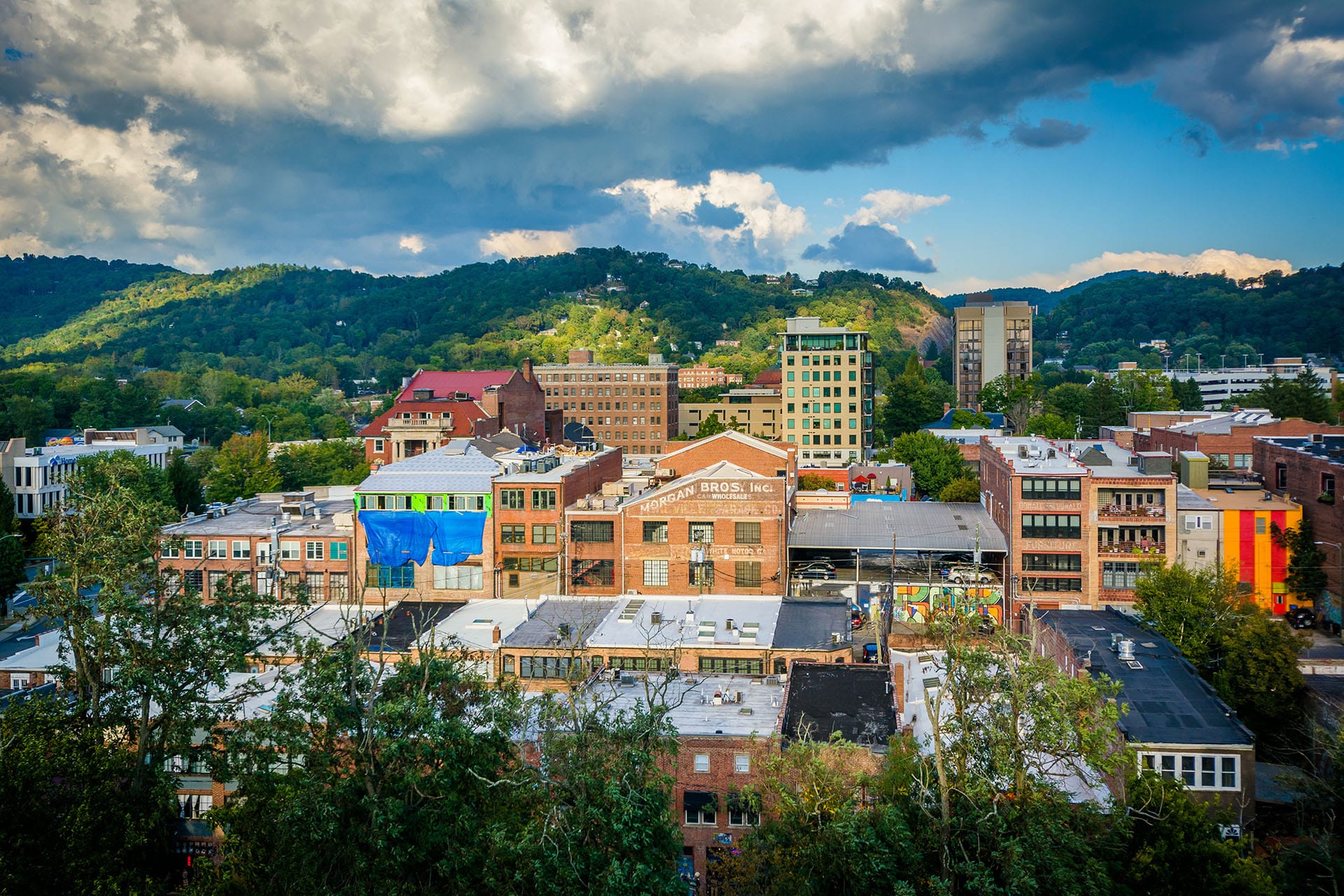
Asheville-Urban

A recent analysis by Rocky Mountain Institute (RMI) makes a compelling case for why state-level land-use reform should be a top climate priority for America. As the report highlights, land-use policies have an outsized impact on our carbon emissions, housing affordability, and the health of our natural environment. Reforming outdated zoning laws and development practices can help us tackle these interconnected challenges, creating cleaner, more resilient communities.

The analysis points to three major ways that better land-use planning can drive climate progress:

  1. Reducing Vehicle Miles Traveled: Car-dependent sprawl, fueled by restrictive zoning laws, forces people to drive longer distances for work, school, and daily needs. This results in higher transportation emissions—the largest source of greenhouse gases in the U.S. By promoting infill development and creating walkable, transit-oriented neighborhoods, states can reduce driving, slash emissions, and give people more mobility options.
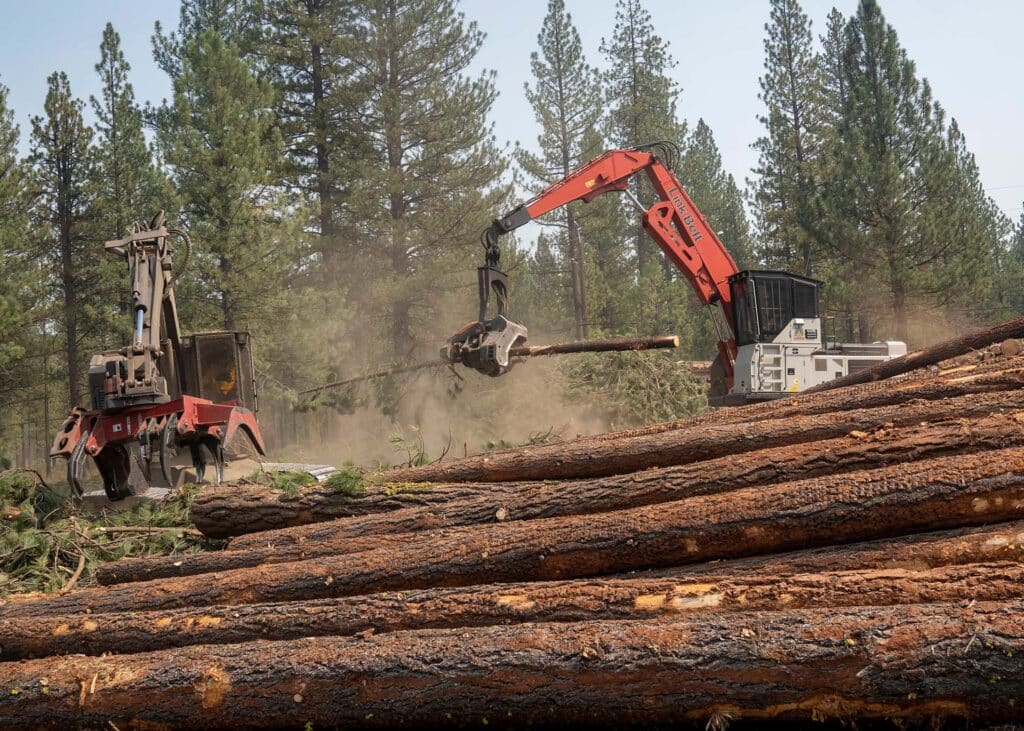
  2. Protecting Natural Carbon Sinks: Poor land-use policies accelerate deforestation, paving over forests, fields, and wetlands that naturally absorb carbon dioxide. Smart growth strategies prioritize densifying existing communities instead of sprawling into undeveloped land, helping to preserve natural landscapes that protect us from flooding, improve air quality, and store carbon.
  3. Reducing Building Energy Use: Compact, connected communities are not only more efficient for transportation but also for energy use. Smaller, denser housing types—like townhomes, multiplexes, and apartments—require less energy to heat and cool compared to sprawling single-family homes.

RMI’s analysis underscores that reforming land-use policies is one of the most cost-effective and achievable solutions for cutting emissions while also addressing housing shortages and improving affordability. Better land-use policies support thriving, vibrant communities where residents can live closer to jobs, services, and nature, all while reducing their carbon footprint.
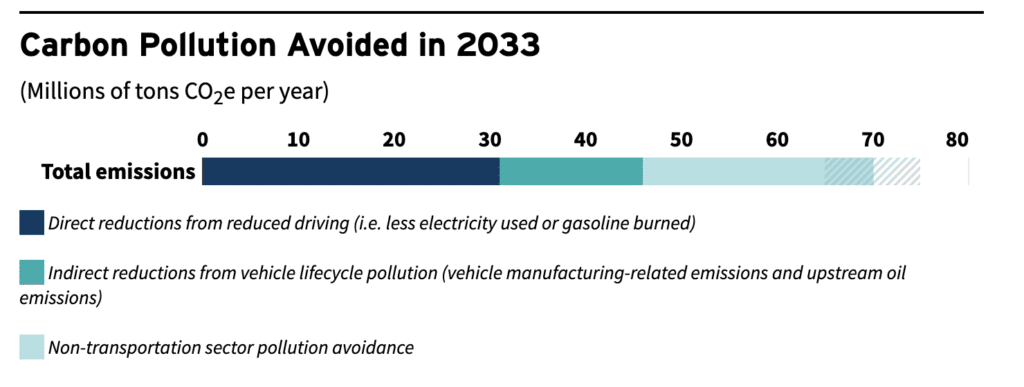
RMI-Carbon-Pollution-Avoided

At Neighbors for More Neighbors WNC and MountainTrue, we know this approach is critical for Western North Carolina. Outdated zoning laws in our region have exacerbated sprawl, deforestation, and surface water pollution from stormwater runoff, especially in the wake of extreme weather events like Hurricane Helene. By prioritizing smart land-use reforms—such as encouraging missing middle housing and promoting infill development—we can reduce sprawl, protect our forests and rivers, and ensure our communities are more resilient to climate impacts.

You can read RMI’s full analysis here: Why State Land-Use Reform Should Be a Priority Climate Lever for America.
Keep Reading
Row of wooden miniature colorful houses in spring town

Tell City Council to invest in multi-family, affordable housing options with CDBG-DR funds

Aerial photo of a mountain of PVC pipe from IPEX's Silverline Plastic factory. During Hurricane Helen, the Woodfin, NC facility flooded, sending thousands of pounds of plastic pollution downstream.

Take Action: It’s Time for IPEX to Step Up

data center image

Take Action: Say “No” to New Data Centers in Watauga County

Evening mountain landscape of forest road in North Carolina Appalachians, USA. Blue Ridge Parkway American highway in summer season

Stop the Duke Energy Rate Hike

Volunteer Spotlight: Elena & Tom Marsh

art img for transit blog

Increasing ridership is the right goal for Asheville’s bus system

Artboard-1

Don’t let your voice be silenced. Join our public hearings.