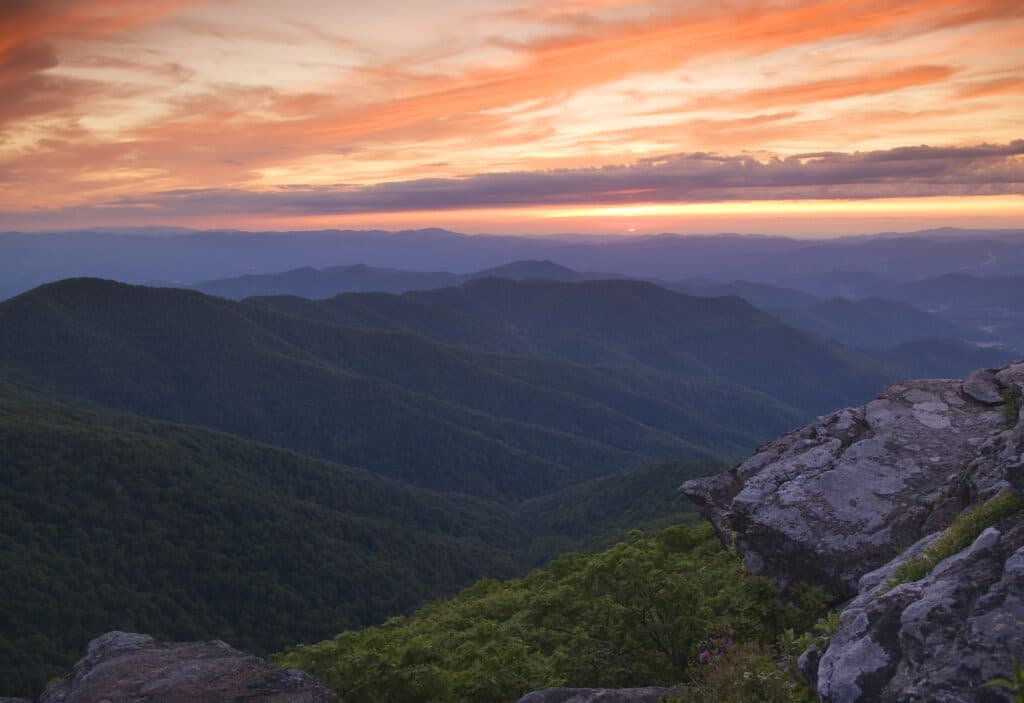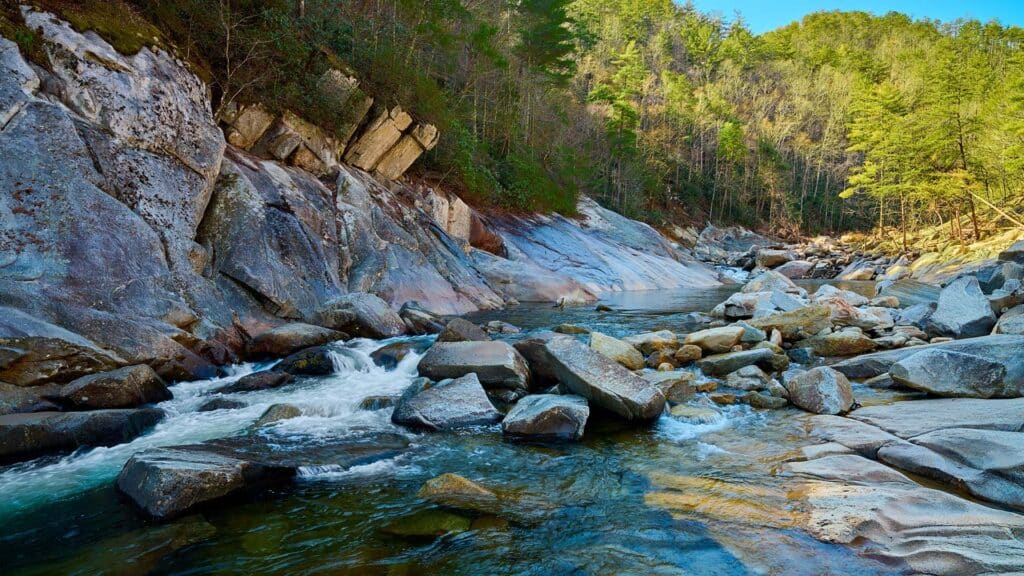
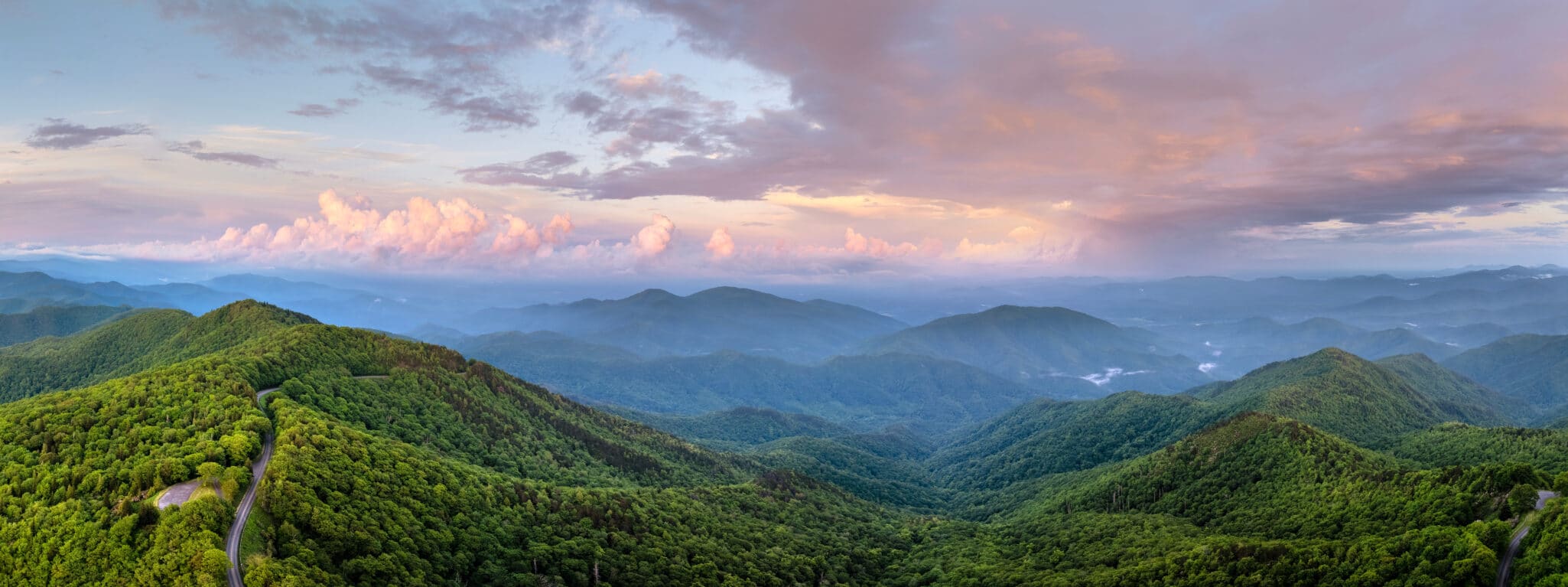
Raised in rural Eastern Kentucky, I romped all around the Appalachian mountains as a child. I
fell in love with my secret swimmin’ holes and the deep hollers where I could let my dogs run
wild. My daddy taught me how to track a deer in these mountains, just like my papaw taught
him.
The Southern Appalachians are full of unique and special places for me and my family, and the
same is true in Western North Carolina, where a certain peace comes from being surrounded by
forested slopes undisturbed by human development. But last year, the U.S. Forest Service
proposed the rescission of a rule protecting those areas from road development, known as the
Roadless Rule.
In Macon County alone, there’s over 8,000 inventoried Roadless acres within the Southern
Nantahala Forest. Without the Roadless Rule to protect them, places like Big Indian and Bakers
Creek would be opened to extractive mining, logging and road building — costing around
$10,000 dollars of taxpayer money per road-mile to maintain.
The streams and headwaters flowing out of these unfragmented, forested roadless areas feed
the primary drinking water sources for Macon County’s towns. Water for the Town of Franklin is
sourced largely from the Cartoogechaye Creek watershed which exists within an Inventoried
Roadless area. If we allow roads to be built in these areas, it will increase runoff and sediment
pollution in the drinking water supply.
Not only are these areas protected for the enjoyment of humans, but they’re also a safe haven
to some of our most famous critters. Consider impacts on the American Black Bear, Hellbender,
Ruffed Grouse and Bog Turtle — the smallest turtle in North America — that call North Carolina
home. Without the Roadless Rule, these animals could lose a considerable amount of their
habitats which would undoubtedly decimate their populations.
Right now, 30% of all National Forest lands are protected under the Roadless Rule, spanning
across 39 states. The impact we would feel from losing these forested areas are beyond words,
an attack on our very core as Appalachians. We were born thriving in these mountains and
living off of what they provide. We cannot allow them to be stripped down to the bare bones. We
deserve the right to show our children how to hunt the way our ancestors did. We deserve the
right to explore the oldest mountains in America and relish in their deep history and biodiversity.
Right now, the Forest Service is trying to remove these protections without holding public
meetings to allow us to speak out. We deserve the opportunity to advocate for what happens
with our public lands. These forests have been protected for 25 years and we deserve an open
debate about the future of our public lands — not a backdoor effort to weaken protections that
have benefited communities, sportsmen, wildlife, and families like mine for decades.
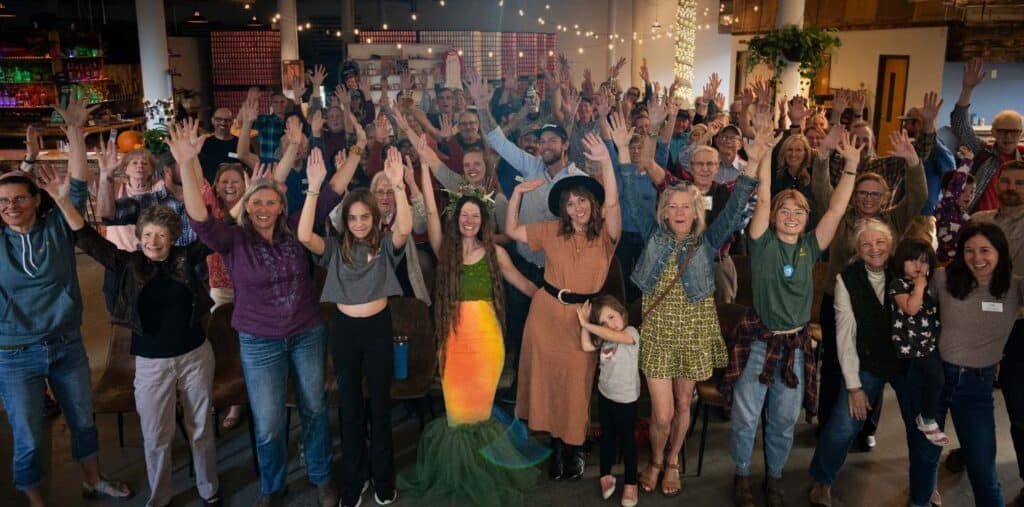
Join us Thursday, July 23 at 5:30 pm at the Cowee School of Arts and Heritage Foundation, Thursday, July 23 at 5:30 pm to ask questions, engage in deeper discussions about what’s at stake and help us tell the Forest Service to keep roads out of roadless areas.