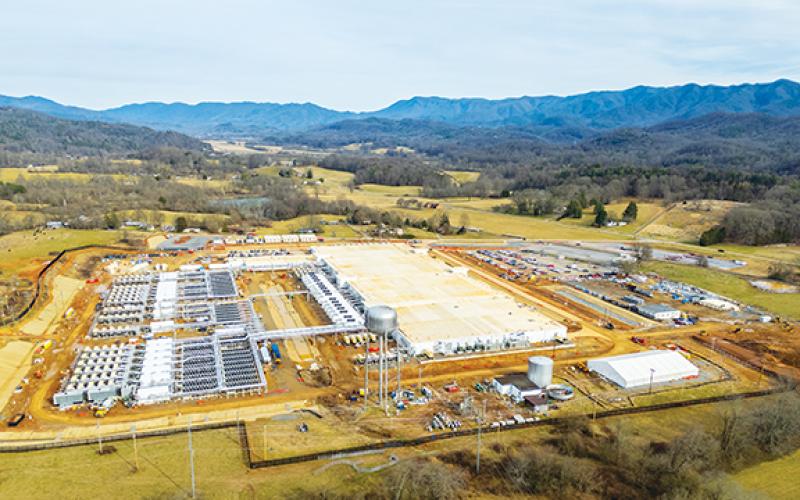
In March 2026, the Boone Town Council voted unanimously for a one-year data center moratorium in the Town of Boone, NC. We were grateful to have many community members fill the room to voice their concerns about data centers in Boone and thank our Town Council for taking proactive steps to protect our land, water, and air.
That same day, Watauga County Commissioners approved a public hearing on a potential countywide moratorium. MountainTrue greatly appreciates the Watauga County Commissioners taking proactive steps to protect High Country communities and natural resources. The hearing will take place at 5:30 p.m. on Tuesday, April 21, in the Commissioners’ Board Room at 814 W. King St., Boone. This is another opportunity to make your voice heard and say NO to data centers in Watauga County!
Here’s how you can take action for Watauga County:
- Attend the public hearing on Tuesday, April 21
- Contact your Watauga County Commissioners to voice your support for the countywide moratorium on data centers by clicking the button below. *This action alert will only accept submissions from residents of Watauga County.
More info:
As our community continues to grow, it is crucial that we take a step back to evaluate the long-term impacts that large-scale data center and data processing developments may have on our local infrastructure, energy grid, and natural resources.
- Water Depletion: Data centers need millions of gallons of water for cooling systems, which can deplete local water tables and shared resources in our mountain communities.
- Massive Energy Strain: A single data center can require hundreds of megawatts of electricity, placing immense strain on the local power grid, often further forcing reliance on fossil fuels.
- Noise Pollution: The 24/7 drone of servers, fans, and diesel backup generators can destroy the quiet, tranquil environment of rural and mountainous residential areas.
- Rising Utility Costs: Upgrades to the electric grid to support these facilities are often passed on to residential customers, resulting in higher electricity bills.
- Poor Job-to-Land Ratio: They consume vast amounts of land and create massive building footprints, yet provide very few permanent jobs after construction is complete.
- Pollution Risk: Backup generators often use diesel fuel, which can release pollutants and harm local air quality.
- Obsolete Infrastructure: Technology shifts rapidly, leaving communities with massive, outdated industrial structures within 10–15 years.
A moratorium will provide the necessary time for local officials and community members to develop comprehensive standards, ensuring any future development aligns with our environmental values and regional planning goals.
Thank you for your dedication to protecting our mountains and the communities that call them home.
Take Action
Help make a difference by contacting Boone’s elected officials today!