Community Overview
Saluda is a historic mountain community of roughly 640 residents located primarily in Polk County, with a small portion extending into Henderson County. Situated at the crest of the Blue Ridge Escarpment, Saluda is known for its historic downtown, thriving arts community, outdoor recreation opportunities, and deep connection to the railroad that shaped the town’s development.
Saluda’s walkable downtown, surrounding forests and waterways, and proximity to the Green River make it an important destination for outdoor recreation and heritage tourism. The planned 31.5-mile Saluda Grade Trail will pass directly through downtown, creating new opportunities to connect residents and visitors with local businesses, historic sites, neighboring communities, and the region’s cultural landscapes.
Hurricane Helene brought intense rainfall, landslides, downed trees, utility outages, and extensive road damage to Saluda and the surrounding area. Washed-out and blocked roads isolated residents, complicated emergency response, and disrupted access between Saluda, Tryon, Green River Cove, and other nearby communities. Damage to homes, transportation routes, natural areas, and visitor-serving businesses continues to affect the community’s recovery.
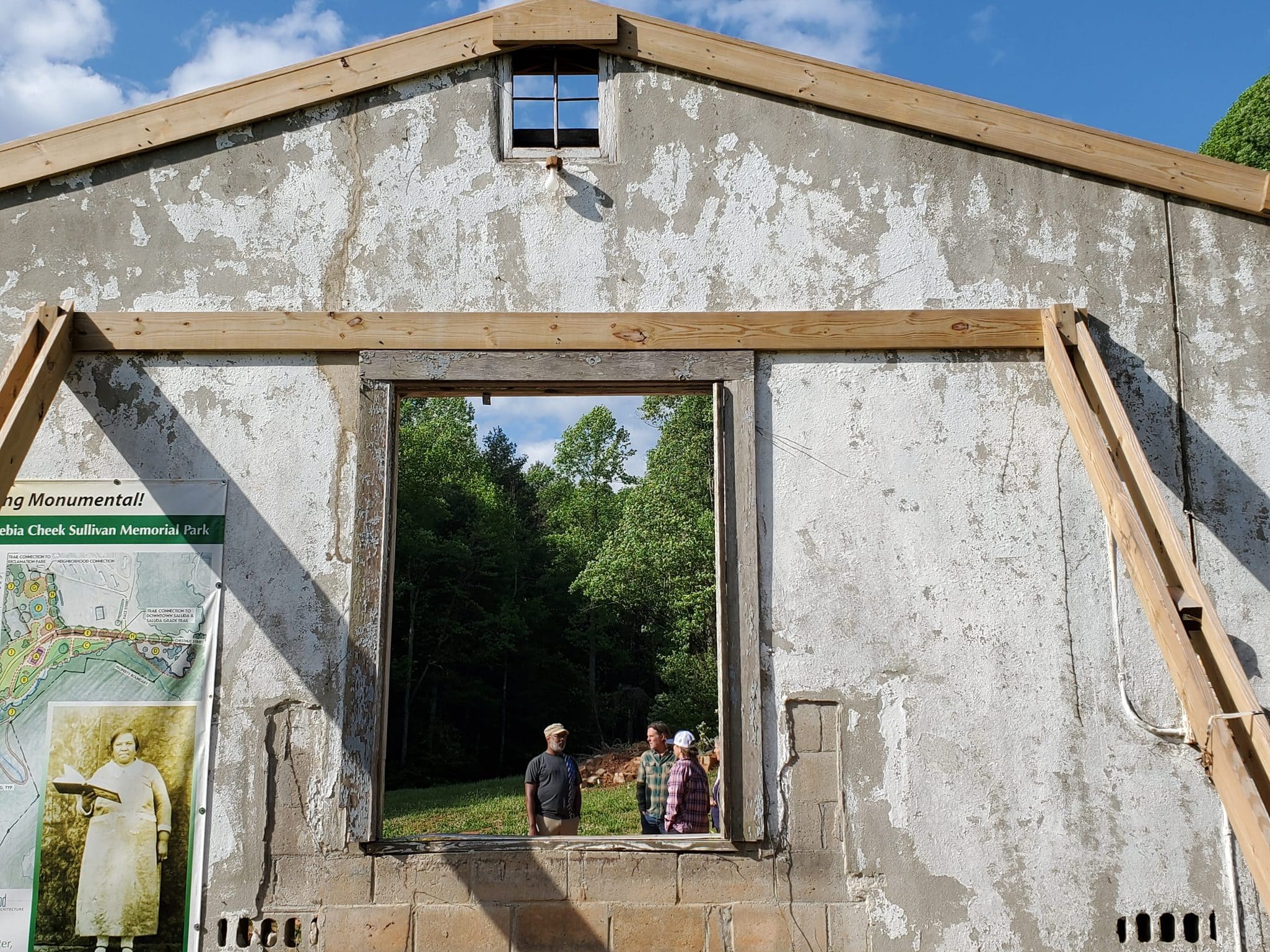
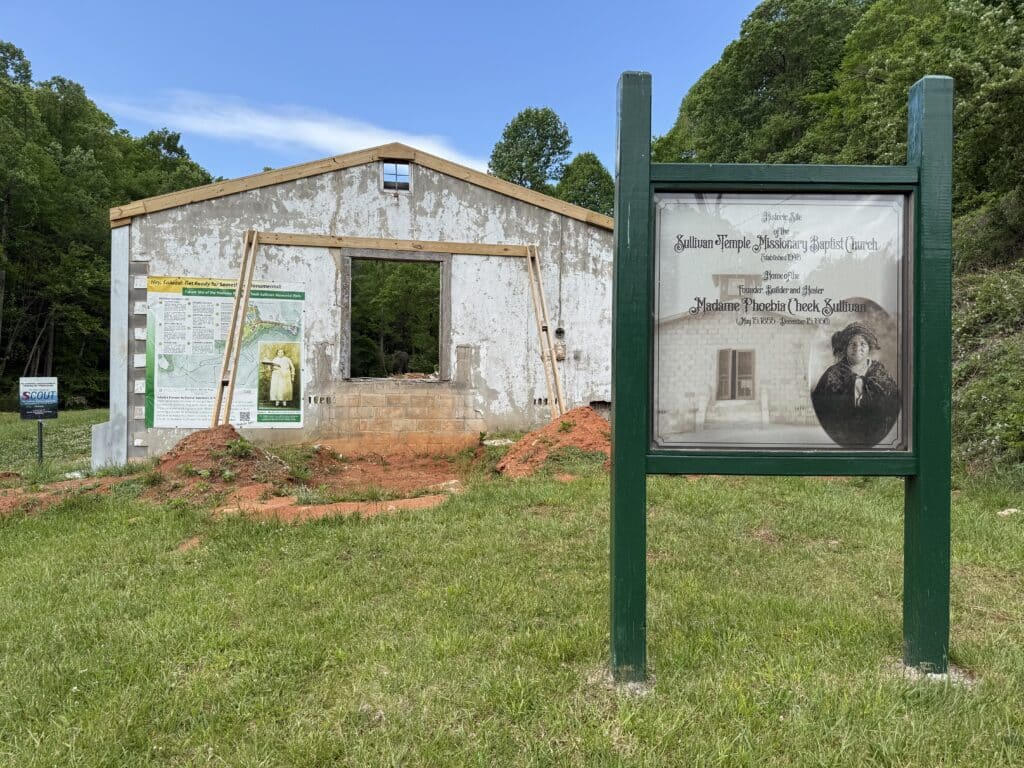
Since the storm, local leaders, residents, property owners, nonprofit organizations, and regional partners have worked to address immediate needs while advancing longer-term community priorities. The Appalachian Design Center is supporting these efforts through planning, design assistance, and community engagement, with a particular focus on the Madame Phoebia Cheek Sullivan Memorial Park. The project seeks to preserve an important African American heritage site while creating an accessible, welcoming place for remembrance, education, healing, recreation, and community gathering.
Post-Helene Challenges
Hurricane Helene caused landslides, fallen trees, utility interruptions, and extensive damage to roads and private bridges in and around Saluda, isolating residents and exposing the vulnerability of connections to neighboring communities and essential services.
These challenges are especially important at the Sullivan Family Memorial Park & Sanctuary, which contains the remains of a historically significant African American church and gathering place. Advancing the park will require thoughtful preservation of the temple façade, bell, stonework, landscape, and family history, along with accessible paths, safe gathering areas, restrooms, storage, supporting infrastructure, and connections to the future Saluda Grade Trail—all while protecting the site’s character and honoring community priorities.
Community Partners
City of Saluda: Supporting local recovery, infrastructure coordination, community planning, and connections with the future Saluda Grade Trail.
Madame Phoebia Cheek Sullivan Memorial Park: The non-profit and family members guiding the vision for preserving the property’s history and developing the Sullivan Temple, Memorial Park & Sanctuary
Polk County Community Foundation: Supporting local philanthropy and community-based initiatives in Saluda and throughout Polk County.
Local Residents, Historians, Faith Leaders, and Community Organizations: Contributing knowledge, stories, priorities, and long-term stewardship.
ADC Community Lead
Julie Judkins, Project Manager