BANFF Tickets on Sale Now
Appalachian Design Center › Swannanoa
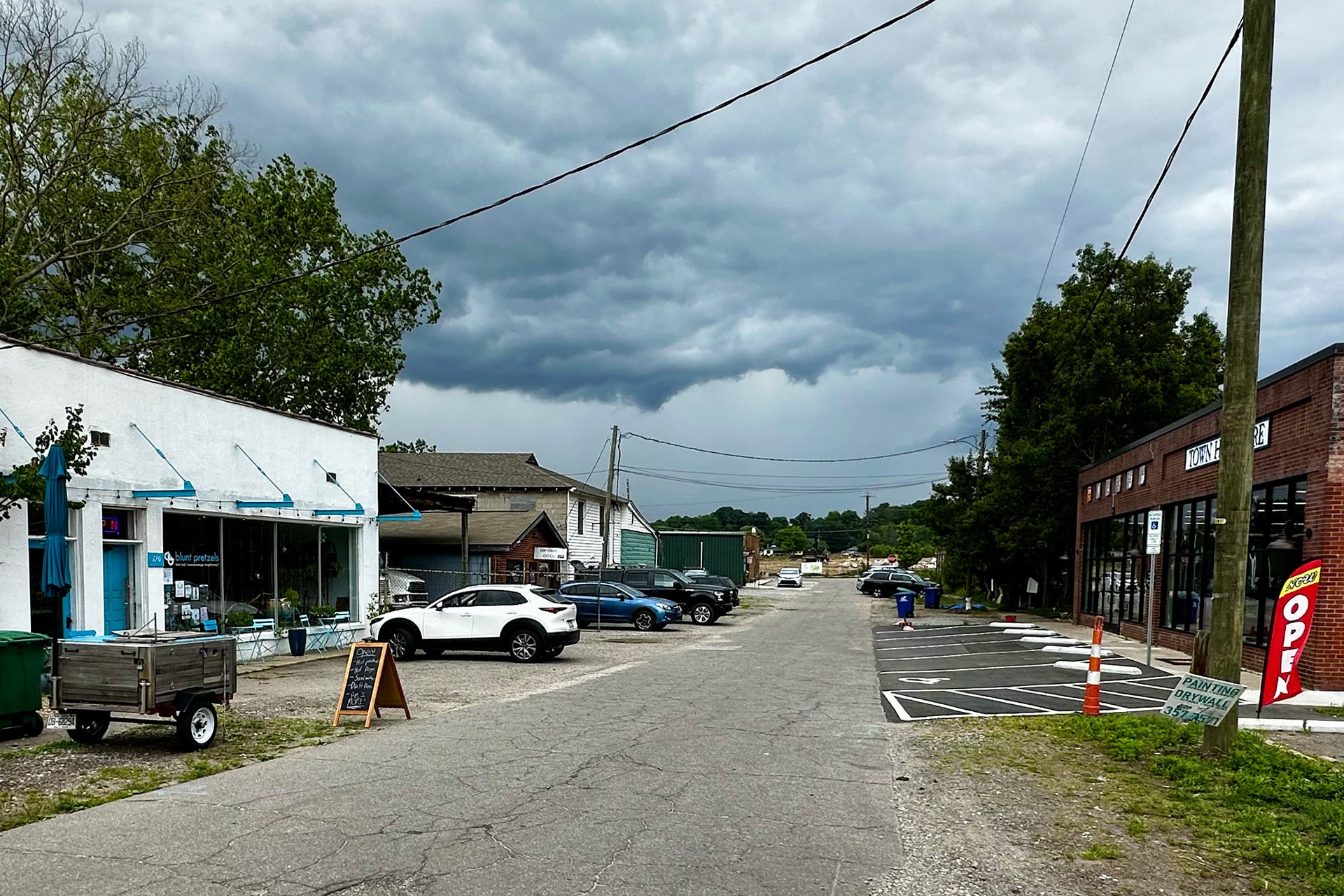
Swannanoa is an unincorporated community in eastern Buncombe County whose identity has been shaped by the Swannanoa River, a history of farming and textile manufacturing, and its role as a key transportation corridor connecting the mountains to the rest of the region. The community encompasses a mix of residential neighborhoods, industrial sites, and commercial areas, and is home to a diverse, working-class population as well as Warren Wilson College, a private liberal arts institution known for integrating academics with on-campus work and community service. The name Swannanoa is thought to derive from a Cherokee word meaning “beautiful river,” a reminder of the landscape that has defined the valley’s character for centuries.
Hurricane Helene caused significant damage in Swannanoa, with impacts affecting homes, businesses, and infrastructure along the river corridor as well as landslide-affected areas. Recovery challenges are complex and span multiple jurisdictions, requiring coordination among local organizations, agencies, and residents.
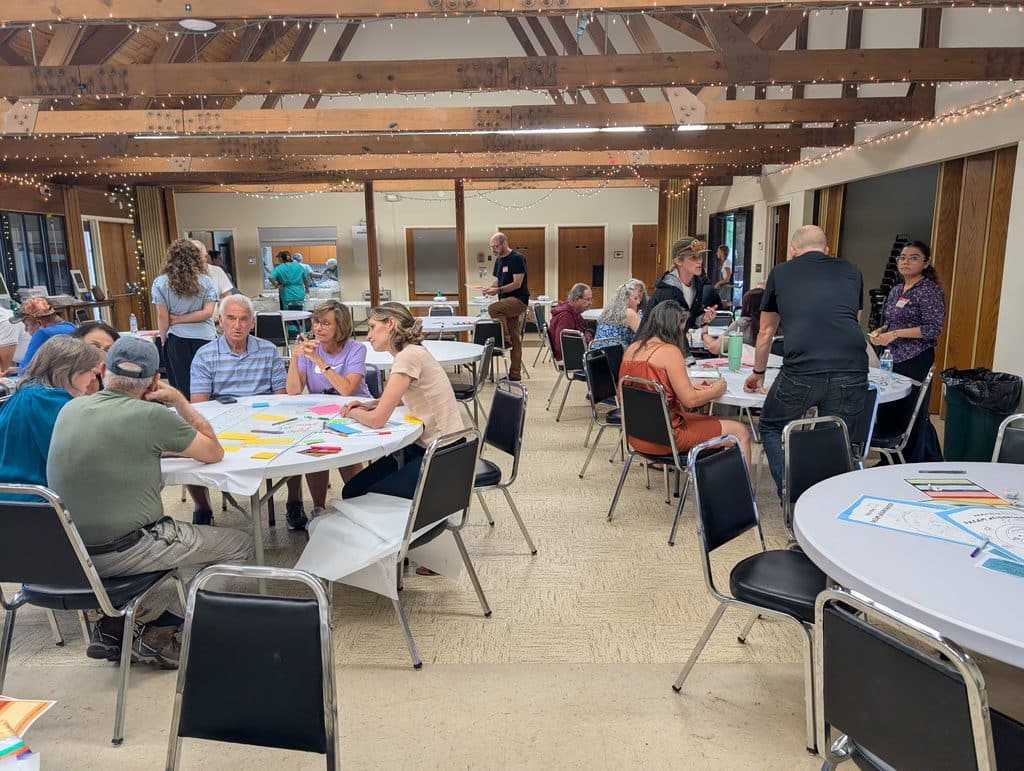
The Appalachian Design Center is supporting recovery and planning efforts in Swannanoa by working alongside local partners to help define priorities, facilitate community engagement, and advance place-based planning and design work that reflects community needs and capacity. ADC’s role is focused on supporting early-stage planning and coordination as longer-term recovery pathways continue to take shape.
Hurricane Helene left Swannanoa facing a cascade of interconnected challenges. Catastrophic landslides, flooding, and rainfall caused severe damage to the river corridor, residential areas, and critical infrastructure including private bridges and roads. Many residents were displaced, and urgent needs for affordable housing and property repairs remained unmet in the months that followed. The storm also disrupted local businesses and worsened already limited food access, with many residents identifying a grocery store and a post office as top recovery priorities. Compounding these challenges, Swannanoa’s status as an unincorporated area means it lacks a dedicated municipal government, making the coordination of multiple simultaneous planning efforts, including the Buncombe County Small Area Plan, the Long Term Recovery Plan, and various assessments by government and nonprofit organizations, a messy and complex process for residents to navigate.
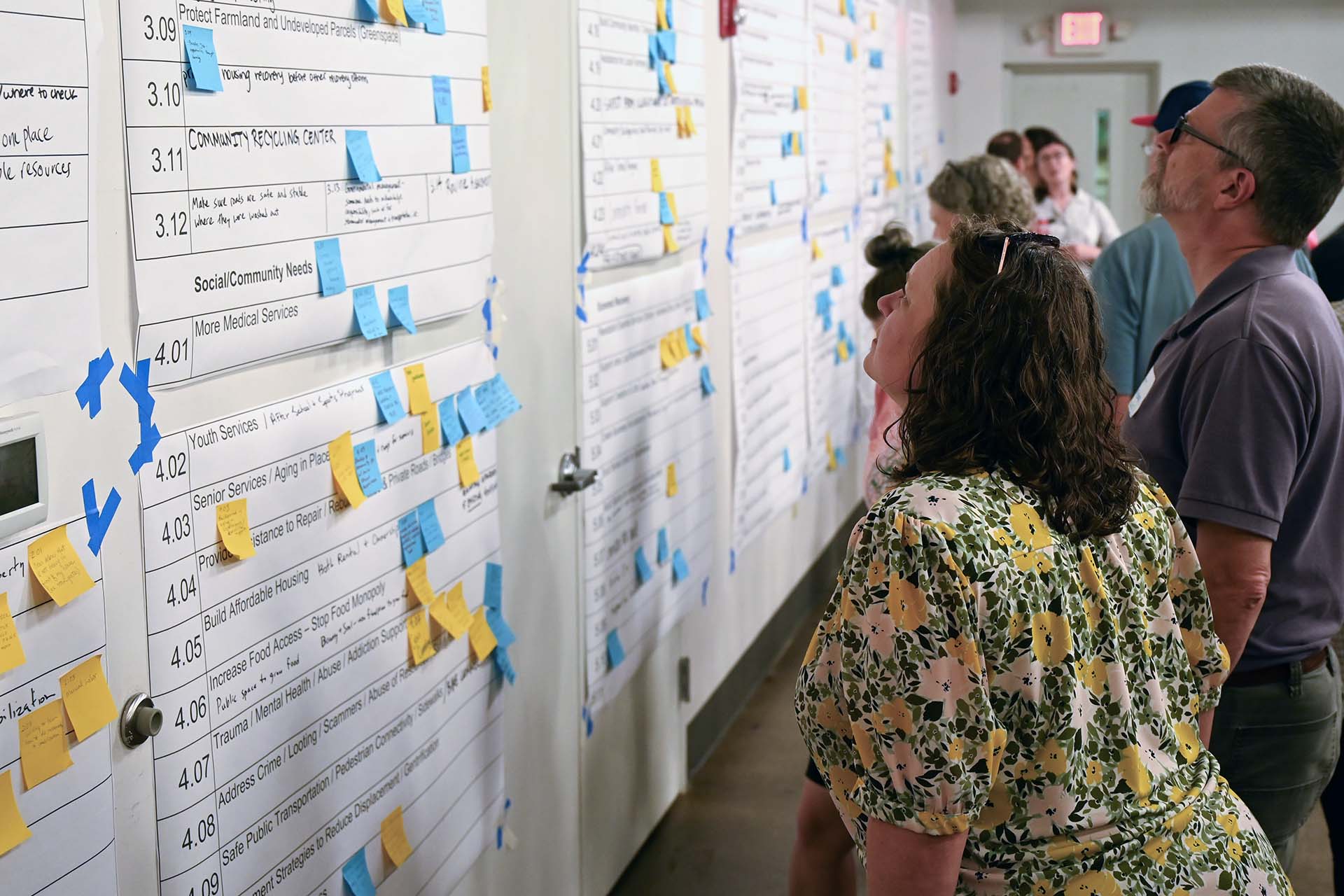
ADC is grateful for the collaboration of Swannanoa Grassroots Alliance (SGA), Friends and Neighbors of Swannanoa (FANS), Swannanoa Communities Together (SCT), the Swannanoa Resilience Hub (SRH), the Climate Smart Communities Initiative Project in Swannanoa & Woodfin (Fernleaf, Swannanoa Grassroots Alliance, Town of Woodfin, Land of Sky Regional Council, MountainTrue, Swannanoa Resilience Coordination Hub, RiverLink, Equinox, and Appalachian Voices, and Warren Wilson College), the Buncombe County Swannanoa Small Area Plan (SAP) team, and the many interns and volunteers from MIT, Warren Wilson College, UNCA, and the Design Community who contributed their time and expertise throughout this effort.