Community Overview
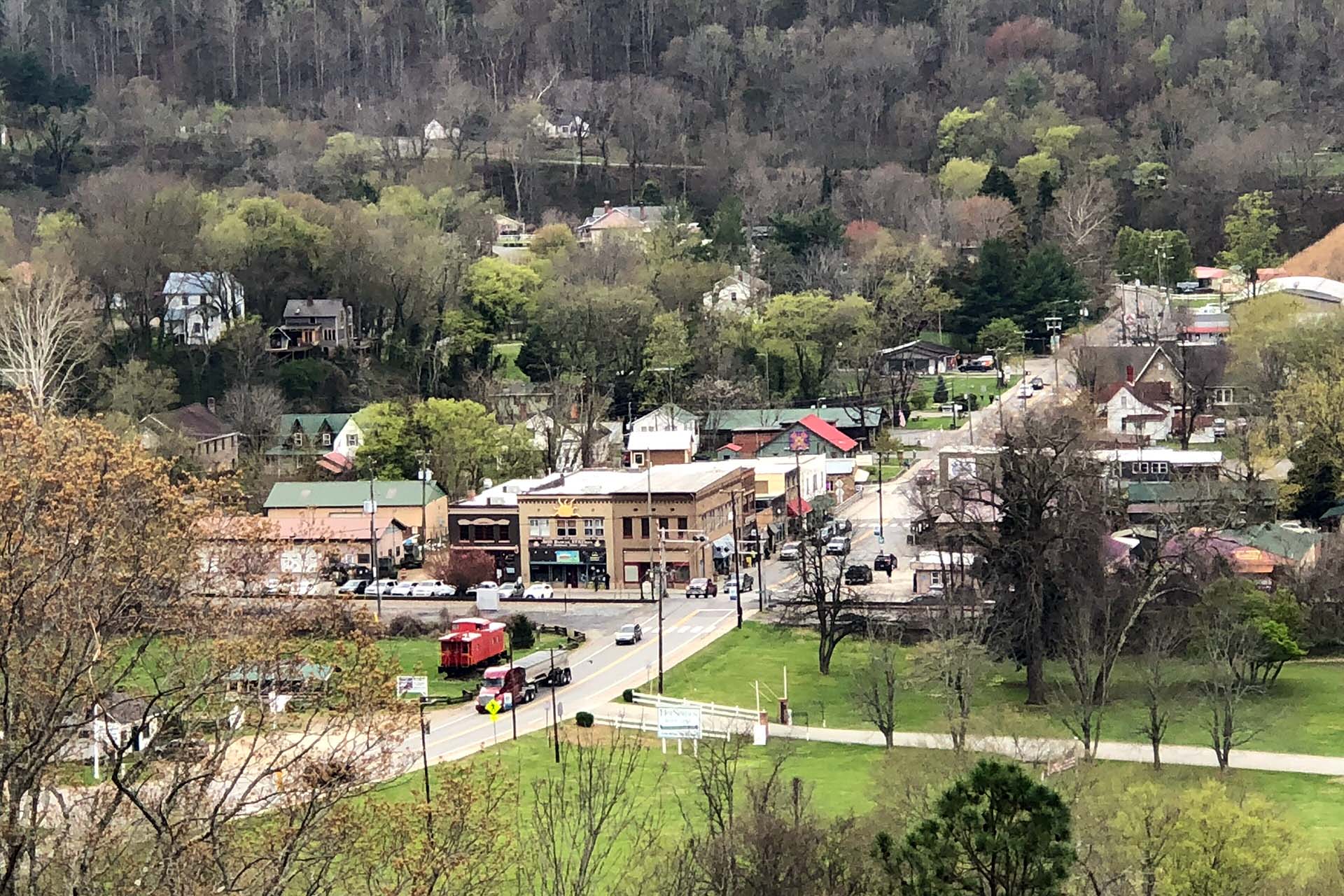
Hot Springs is a small mountain town of roughly 560 residents located in Madison County, North Carolina, at the confluence of Spring Creek and the French Broad River. Directly along the Appalachian Trail, the town serves as an important gateway for outdoor recreation, heritage tourism, and river access in Western North Carolina.
The community is known for its historic downtown, natural hot springs, and welcoming small-town character. With a compact walkable center surrounded by mountains, rivers, and public lands, Hot Springs plays an outsized role as both a destination community and a home for generations of residents, businesses, and local traditions.
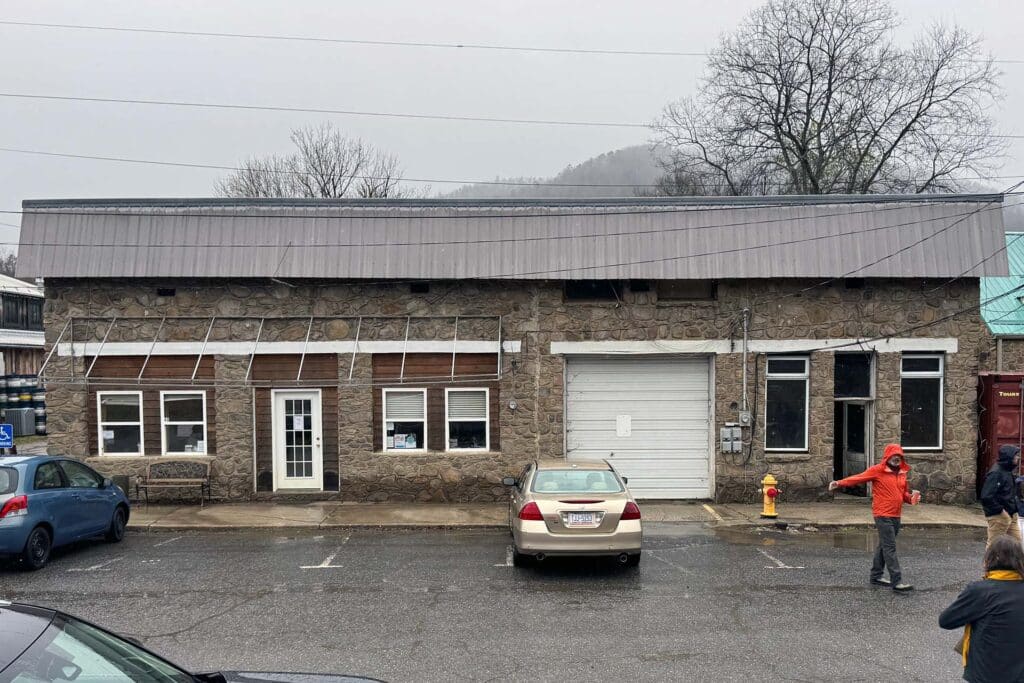
Hurricane Helene caused severe flooding in Hot Springs, primarily from Spring Creek, damaging homes, businesses, public infrastructure, and key community buildings. The scale of the flooding highlighted both the town’s vulnerabilities and the importance of coordinated recovery planning for the future. Although emergency response and short‐term recovery efforts after Hurricane Helene addressed immediate life‐safety issues, Hot Springs still faces significant unmet needs from damaged infrastructure, disrupted businesses, and unresolved flood risk in the downtown corridor.
Since the storm, local leaders, residents, and community organizations such as Rebuild Hot Springs have advanced a range of recovery efforts. The Appalachian Design Center is supporting this work through planning, design assistance, and community engagement to help move locally identified priorities toward implementation and funding readiness.
Post-Helene Challenges
- Infrastructure & Damage: Hurricane Helene caused catastrophic flooding, with Spring Creek inundating downtown buildings with 4–6 feet of water. Critical facilities including Town Hall, the Community Center, the Old Jail, and the wastewater treatment plant sustained severe damage.
- Economic Disruption: Flooding damaged or destroyed numerous tourism-dependent small businesses and displaced residents. The prolonged disruption of the visitor economy has placed additional strain on local businesses, artisans, and community organizations.
- Limited Local Capacity: As a small town in a Tier 1 economically distressed county, Hot Springs has a limited tax base and few large commercial or industrial employers. These constraints make it difficult for the town to fund major infrastructure repairs, provide matching funds, and manage multiple complex recovery projects simultaneously.
- Recovery Hurdles: Long-term recovery will require addressing debris and damaged public spaces along the river corridor, replacing the undersized Spring Creek Bridge, relocating vulnerable wastewater infrastructure, and reducing repetitive flood risk in the downtown area.
Community Partners
- Town of Hot Springs: Leading municipal recovery and infrastructure repairs.
- Rebuild Hot Springs Area (RHSA): A primary nonprofit partner focused on long-term revitalization.
- NC Commerce, Rural Economic Development
- Hot Springs Tourism Association
- MountainTrue’s French Broad Riverkeeper, Paddle Trail Manager, and Debris Team
ADC Community Lead
Julie Judkins, Project Manager