A community-informed conceptual design developed to guide the restoration and continued improvement of one of Bakersville’s most valued public spaces.
A community-informed conceptual design developed to guide the restoration and continued improvement of one of Bakersville’s most valued public spaces. The plan reflects local priorities and provides a practical resource for pursuing funding, coordinating related recovery work, and advancing phased improvements.
Project Snapshot
Project Name: Bakersville Creekwalk Design Plan
Location: Bakersville, Mitchell County, NC
Type: Community-driven design and recovery planning
Status: Active planning and design phase
Partners: Bakersville Beautification Association (BBA) and the Appalachian Design Center (ADC)
Timeline: January – May 2026
Why This Project Matters
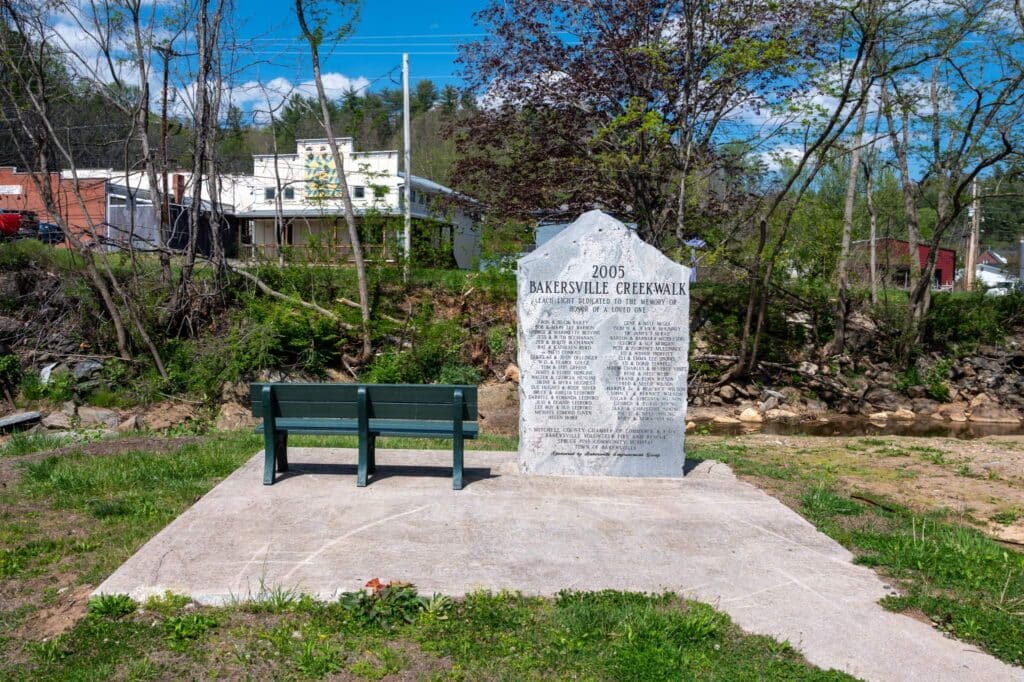
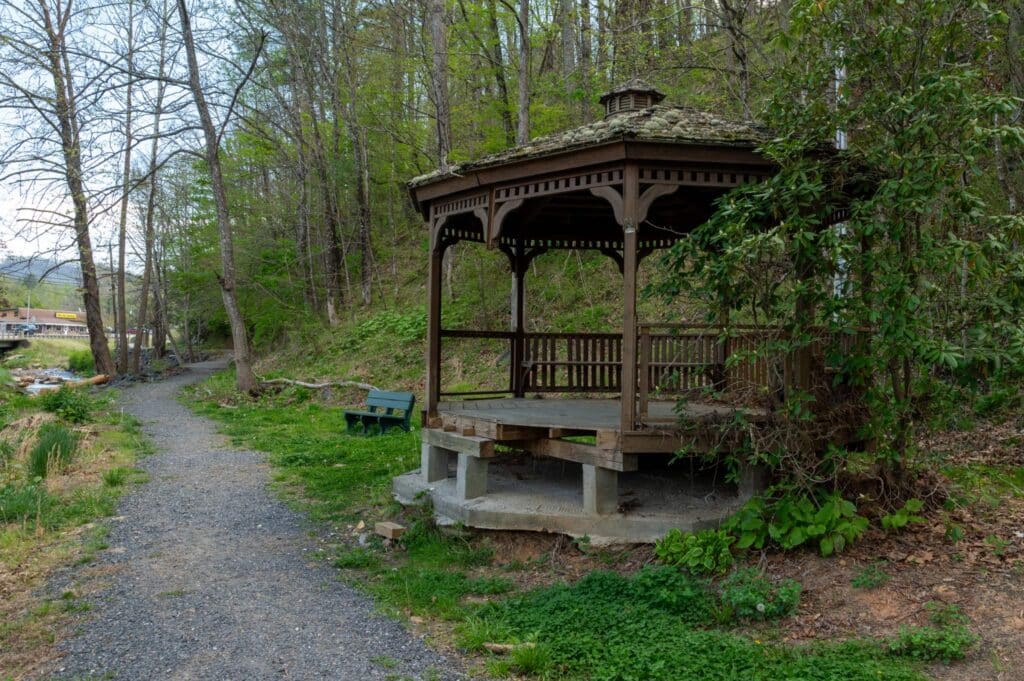
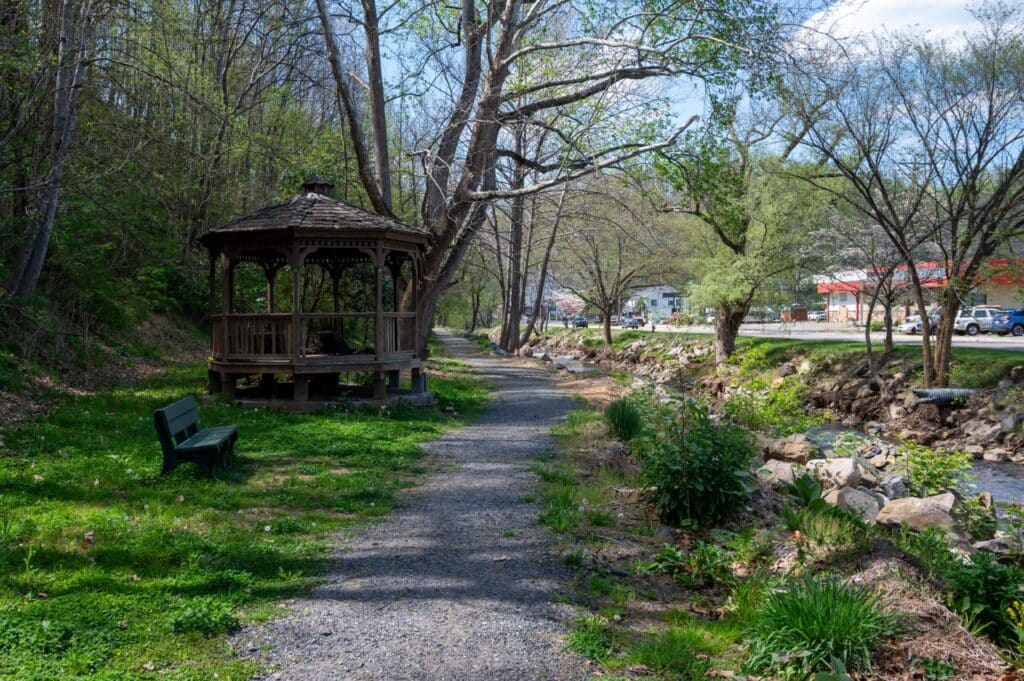
This project supports the restoration of the Bakersville Creekwalk, a central public greenway and gathering space that was severely impacted by Hurricane Helene. As a hub for community events and seasonal celebrations, its recovery is vital for restoring social connectivity and economic vitality in the town. The plan focuses on improving resilience and accessibility to ensure the Creekwalk remains a functional asset for future generations while preparing the town for implementation funding.
Community Context
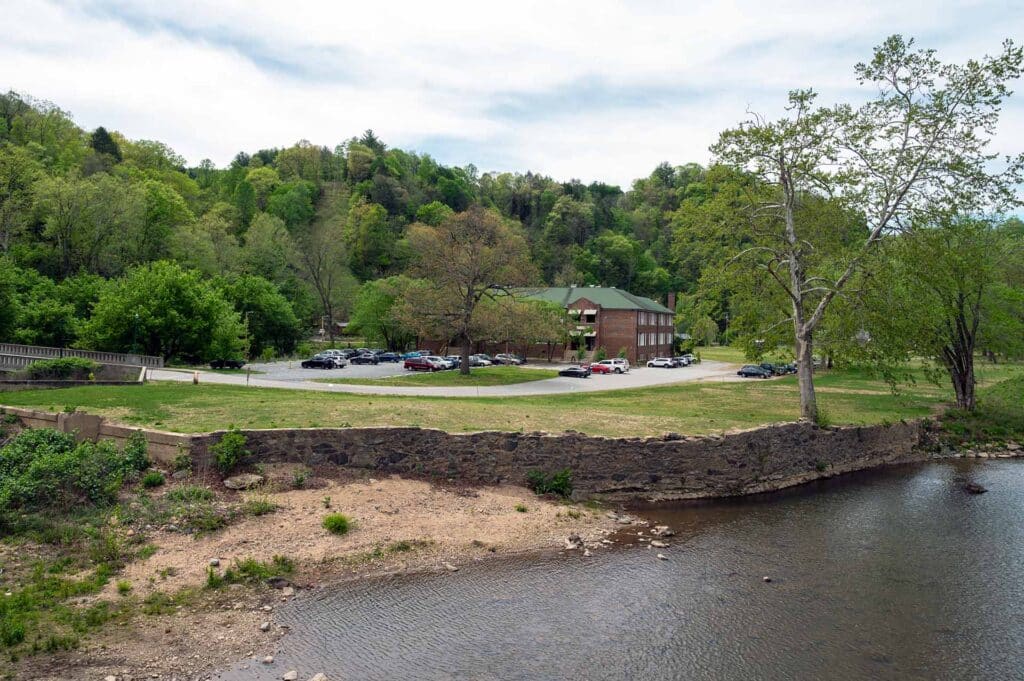
Bakersville is the county seat of Mitchell County and serves as a critical service center for surrounding rural communities despite having fewer than 500 residents. The town’s identity is deeply tied to Cane Creek, which shapes its public spaces but also presents significant flood risks. Hurricane Helene caused widespread damage to downtown infrastructure and key pedestrian routes, making the restoration of the Creekwalk a top priority for local leaders and residents.
Project Goals
Restore Corridor: Restore the Creekwalk corridor along Cane Creek following storm damage.
Enhance Resilience: Identify design considerations that improve flood resilience and accessibility.
Community Vision: Develop concept-level designs that reflect direct community input and local priorities.
Strategic Connections: Explore better connections between the Creekwalk and nearby civic spaces, such as the planned town-square Community Hub.
Secure Funding: Provide the documentation and conceptual materials needed to pursue implementation grants.
Community Engagement
The project utilizes a listening-first, community-driven process to ensure the design reflects local values.
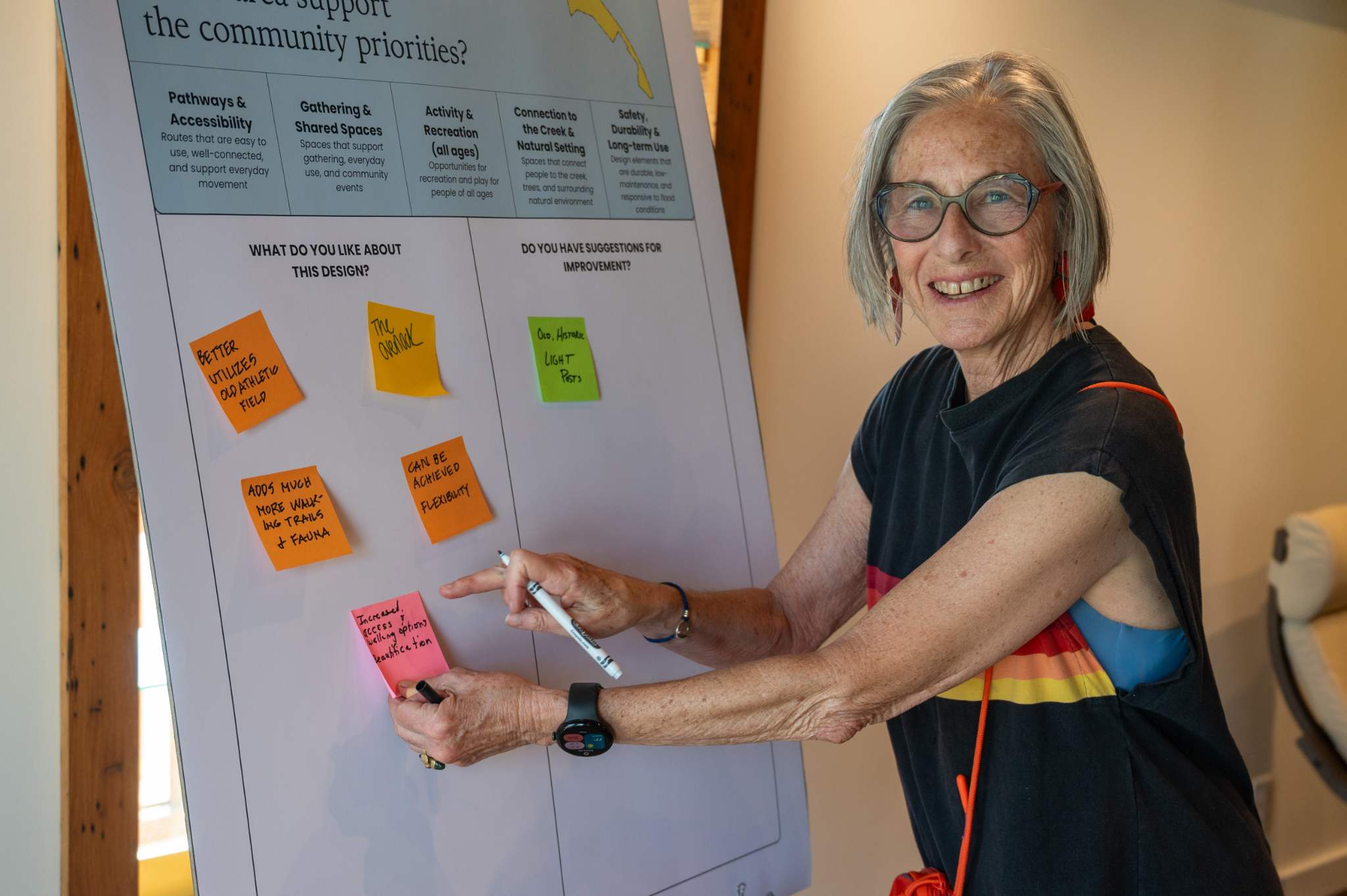
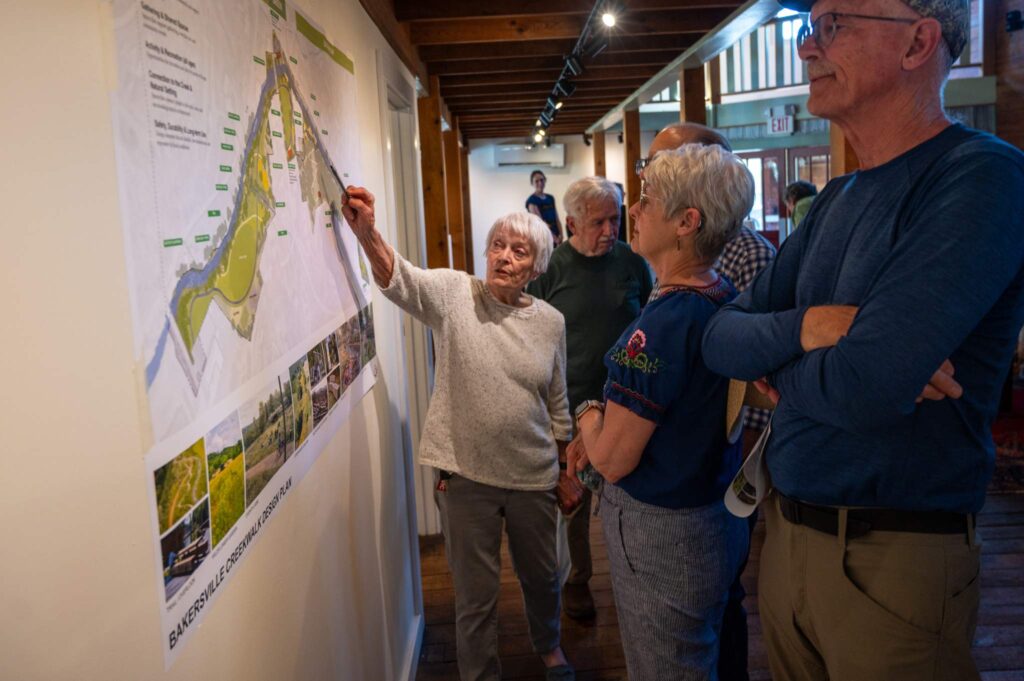
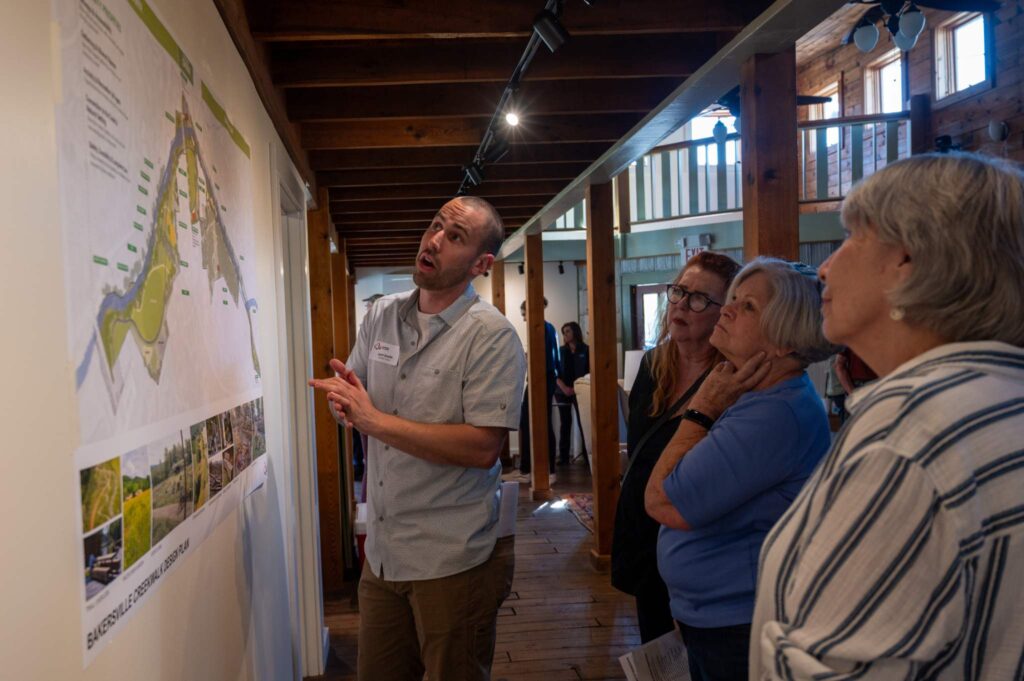
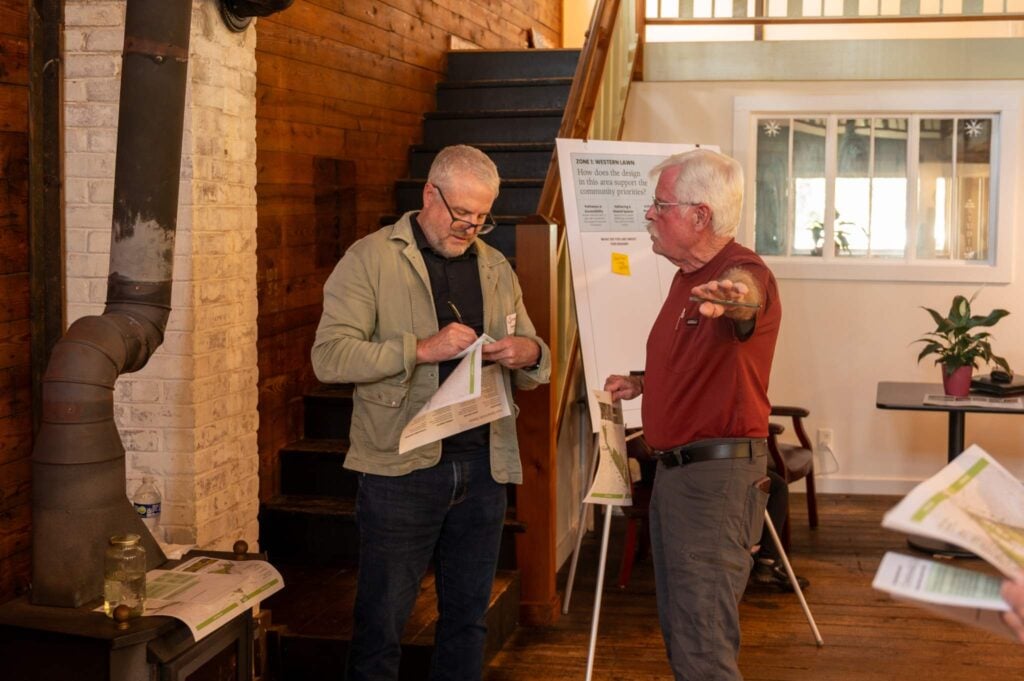
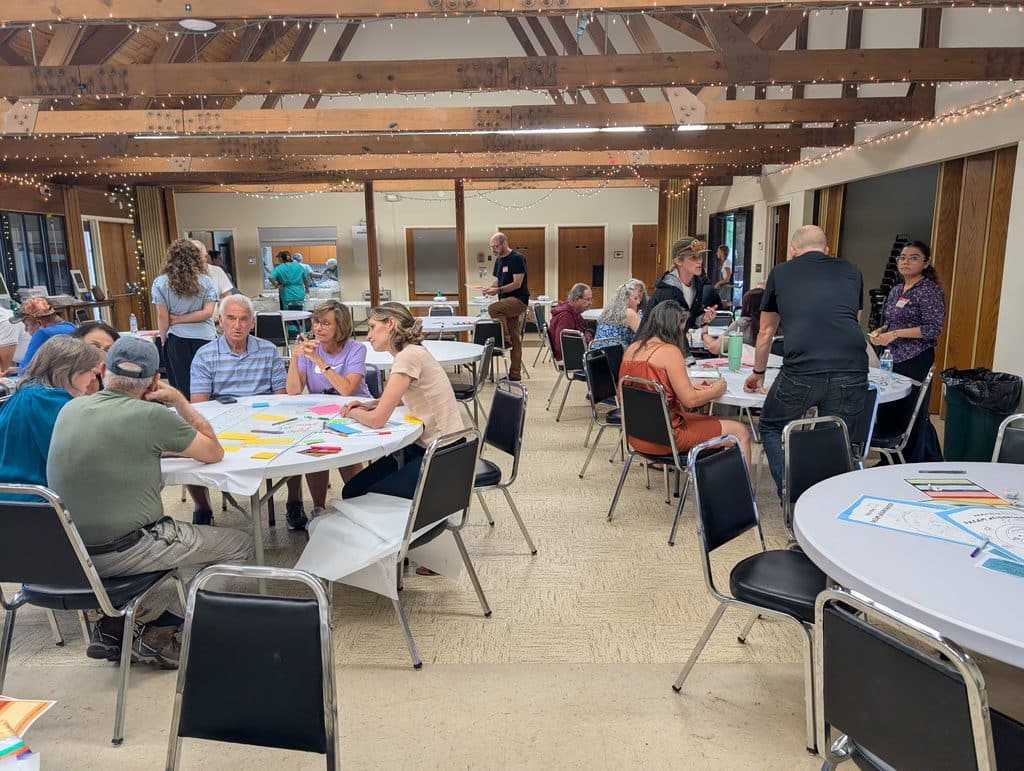
Engagement Strategy: The process includes targeted sessions with key stakeholders and broader public engagement efforts, such as the community event held on March 10, 2026.
What we’re hearing: Residents are focused on restoring iconic features lost in the flood while also reimagining the space for better future functionality.
Design + Approach
The ADC has assembled a multidisciplinary team of volunteer professional designers, including landscape architects and architects. The approach builds upon the 2025 AIA Architects Foundation Design Assistance Team (DAT) process.
Key Ideas: Designs are conceptual and diagrammatic, focusing on site layouts, illustrative plans, and nature-based solutions to manage future flood events.
Design Team Volunteers: Professionals with expertise in parks, greenways, and resilience-focused design.
Progress + Next Steps
Completed: Initial MOU/SOW signed in January 2026; multidisciplinary team recruited by early February.
Current Phase: Conducting site visits, reviewing existing conditions, and facilitating community feedback sessions.
Next Steps: Developing design concepts based on stakeholder input and preparing the final presentation of materials to the Bakersville Beautification Association and the community.
Get Involved
Events: Stay tuned for final public design presentations scheduled for the end of the spring term.